Post by : Saif
Geneva, long known as one of the world’s most important centers for international diplomacy and peace negotiations, is now witnessing a major decline in the presence of the United Nations. Budget cuts, rising costs, and changing global political priorities are forcing many UN agencies to reduce operations, cut jobs, and move staff away from the Swiss city.
The growing Geneva UN crisis is raising serious concerns about the future of international diplomacy and global cooperation at a time when the world is facing wars, economic instability, climate challenges, and humanitarian emergencies.
For decades, Geneva has served as the headquarters for many major United Nations organizations, including the World Health Organization, the UN Human Rights Office, the World Trade Organization, and the International Labour Organization. The city became famous after World War Two as a neutral location where countries could meet for peace talks, trade negotiations, and humanitarian discussions.
However, the situation has started changing rapidly during the past two years.
According to recent reports, more than 3,000 jobs connected to UN agencies and international organizations in Geneva have already been cut, relocated, or frozen since 2025. Nearly one-fifth of international positions based in Geneva have been affected by the financial crisis.
Several UN organizations are now moving employees to lower-cost countries in order to reduce spending. Agencies are increasingly shifting operations to cities in Africa, Asia, and Eastern Europe where office and salary expenses are much lower than Switzerland.
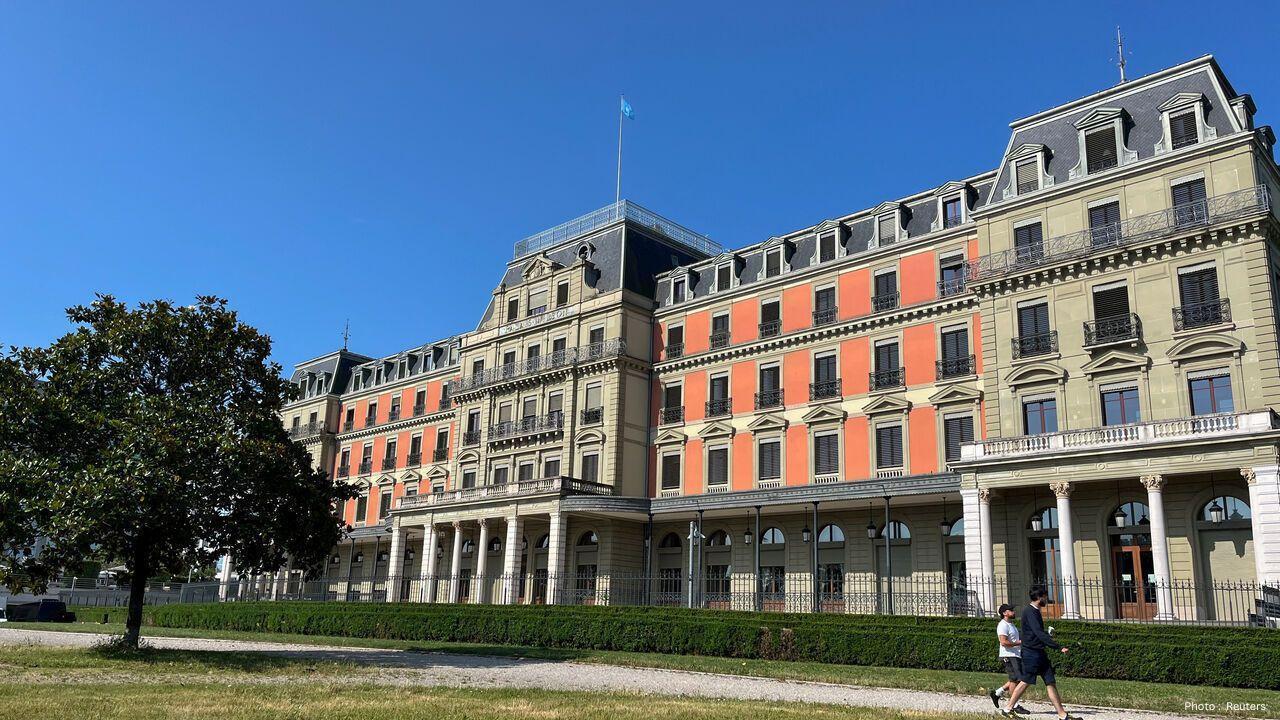
One of the strongest symbols of this decline is the upcoming departure of the UN Human Rights Office from the historic Palais Wilson building in Geneva. The building once served as the headquarters of the League of Nations, the organization created after World War One to promote peace before the United Nations was formed.
The move has shocked many diplomats and international observers who see it as a sign that Geneva’s role as a global diplomatic center is weakening.
The financial problems facing Geneva-based organizations are being driven by multiple factors. One major reason is the reduction in international funding from major donor countries. The United States, traditionally one of the largest financial supporters of the United Nations system, has reduced contributions to several global organizations under President Donald Trump’s administration.
Washington has pushed for major reforms inside the UN system, arguing that international organizations became too expensive, inefficient, and bureaucratic over time. American officials have supported plans to reduce costs by cutting staff and moving offices away from expensive global cities like Geneva and New York.
Supporters of these reforms say international agencies should focus more on efficiency and direct field operations rather than maintaining large headquarters with high operational costs.
Geneva is one of the world’s most expensive cities. Housing costs, salaries, office rents, transportation, and daily living expenses are significantly higher than many other international locations. Because of this, some governments believe UN agencies can save large amounts of money by relocating staff elsewhere.
Several major organizations have already started restructuring plans. The International Organization for Migration has shifted jobs to countries such as Kenya, Greece, Thailand, and Panama. UNICEF has also reduced its Geneva workforce while expanding operations in lower-cost regions.
The World Health Organization has announced budget reductions and staffing changes because of growing financial pressure. UNAIDS, which focuses on fighting HIV/AIDS worldwide, is also facing serious financial difficulties.
While some governments support the reforms, many diplomats and experts warn that shrinking Geneva’s UN presence could damage international diplomacy during a period of rising global tensions.
Geneva has historically played a major role in peace negotiations, humanitarian coordination, refugee discussions, nuclear talks, and international conflict mediation. The city’s neutral political environment made it an ideal place for sensitive diplomatic meetings between countries with serious disagreements.
Peace talks connected to conflicts in Ukraine, Syria, Iran, and other international crises have all taken place in Geneva over the years.
However, global politics is changing rapidly. Many countries are now focusing more on nationalism, regional alliances, and bilateral negotiations instead of large international institutions. Political divisions between major powers such as the United States, China, and Russia have also weakened global cooperation.
Experts say this shift is reducing the influence of organizations that once dominated international diplomacy after World War Two.
At the same time, technology is also changing how diplomacy works. Video conferences, digital meetings, and online negotiations have reduced the need for large permanent offices in expensive international cities. Many organizations now operate through regional hubs and field offices rather than centralized headquarters.
Still, many diplomats argue that face-to-face diplomacy remains extremely important during major global crises. They believe Geneva’s diplomatic traditions, neutrality, and international environment cannot easily be replaced by online communication.
Swiss authorities are now trying to protect Geneva’s international role. Switzerland has announced financial support programs worth hundreds of millions of Swiss francs to help international organizations continue operating in the city. Local officials fear that losing global agencies could damage Geneva’s economy and international reputation.
International organizations provide thousands of jobs and support hotels, restaurants, schools, transportation, housing, and tourism industries throughout the region.
The Geneva UN crisis is therefore not only about office relocations or budget cuts. It reflects a larger global debate about the future of international cooperation, diplomacy, and multilateral institutions.
As wars, economic uncertainty, climate disasters, migration problems, and health emergencies continue affecting millions of people worldwide, many experts fear that weakening global organizations could make international problems even more difficult to solve.
For generations, Geneva represented the idea that countries could work together through diplomacy and peaceful negotiation. Today, as funding cuts and political divisions reshape the world order, that vision is facing one of its greatest challenges in modern history.
#trending #latest #UnitedNations #Geneva #UNCrisis #GlobalDiplomacy #UNJobs #Switzerland #WorldPolitics #InternationalRelations #WorldHealthOrganization #HumanRights #GlobalGovernance #MiddleeastNews










Advances in Aerospace Technology and Commercial Aviation Recovery
Insights into breakthrough aerospace technologies and commercial aviation’s recovery amid 2025 chall

Defense Modernization and Strategic Spending Trends
Explore key trends in global defense modernization and strategic military spending shaping 2025 secu

Tens of Thousands Protest in Serbia on Anniversary of Deadly Roof Collapse
Tens of thousands in Novi Sad mark a year since a deadly station roof collapse that killed 16, prote

Canada PM Carney Apologizes to Trump Over Controversial Reagan Anti-Tariff Ad
Canadian PM Mark Carney apologized to President Trump over an Ontario anti-tariff ad quoting Reagan,

The ad that stirred a hornets nest, and made Canadian PM Carney say sorry to Trump
Canadian PM Mark Carney apologizes to US President Trump after a tariff-related ad causes diplomatic

Bengaluru-Mumbai Superfast Train Approved After 30-Year Wait
Railways approves new superfast train connecting Bengaluru and Mumbai, ending a 30-year demand, easi



