Post by : Saif
Germany has announced a major step in its fight against climate change by allocating €5 billion to help heavy industries reduce carbon emissions. This move is part of a larger plan to balance environmental goals with economic growth.
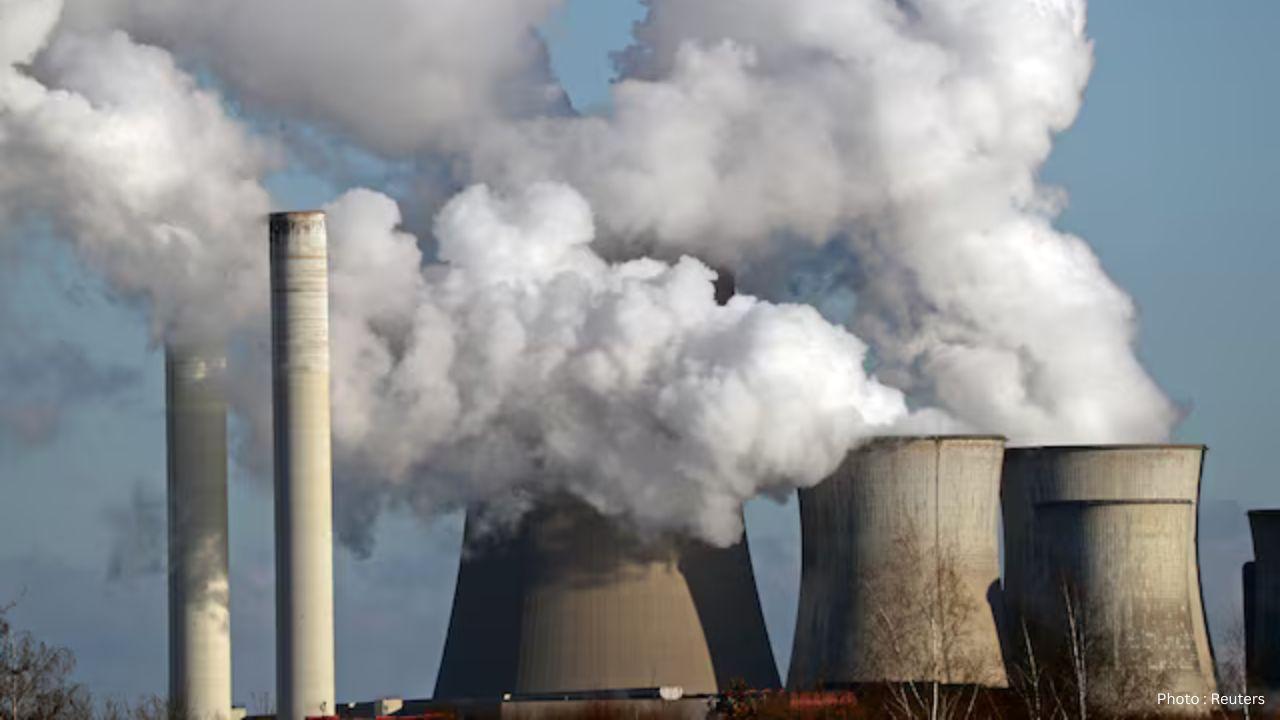
The funding will support industries such as steel, cement, and chemicals—sectors known for producing high levels of carbon dioxide. These industries are important for the economy but also contribute heavily to pollution. The new plan aims to help them shift to cleaner technologies without losing competitiveness.
A key part of the plan is the use of “carbon contracts for difference.” These are long-term agreements, lasting up to 15 years, that help companies cover the extra costs of using low-emission production methods. This approach reduces financial risk and encourages companies to invest in cleaner systems.
Germany has also made the program more flexible to attract more companies. Earlier rules required faster and deeper emission cuts, but the government has now relaxed some conditions. Companies will have more time to meet targets, making it easier for them to participate.
Under the revised plan, industries are expected to cut emissions by 50% within four years and reach up to 85% reduction over time. These targets are still ambitious but more realistic compared to earlier goals.
Another important feature is the inclusion of new technologies. Projects involving carbon capture and storage, as well as cleaner industrial heating systems, are now eligible for funding. These technologies can play a major role in reducing emissions from industries that are difficult to clean up.
The plan also aims to keep industries within Germany. High energy costs and strict environmental rules have already put pressure on companies. Without support, some businesses might move production to countries with weaker climate laws. This program is designed to prevent that and protect local jobs.
Germany’s decision comes at a time when its economy is facing challenges, including slow growth and rising energy costs. Supporting industry while reducing emissions is a difficult balance, but it is necessary for long-term sustainability.
From a global perspective, this move highlights how countries are trying to meet climate targets without harming their economies. Industrial emissions are one of the biggest sources of pollution worldwide, and reducing them is key to fighting climate change.
The plan also reflects a growing trend—governments are stepping in to support green transitions. Clean technology often costs more in the beginning, and financial support helps industries make the shift.
Search trends like Germany CO2 reduction plan 2026 and industrial climate policy Europe show that this topic is gaining attention. People are increasingly interested in how countries are tackling climate change while protecting economic growth.
The success of this program will depend on how effectively industries adopt new technologies. Strong implementation and monitoring will be important to ensure real emission cuts.
Germany’s €5 billion investment sends a clear message: climate action and industrial growth must go hand in hand. The coming years will show whether this balance can be achieved in one of Europe’s largest economies.
#trending #latest #GermanyClimatePlan #CO2Reduction #ClimateAction #GreenEnergy #SustainableIndustry #CleanTechnology #CarbonEmissions #NetZero #EnergyTransition #ClimatePolicy #IndustrialReform #EcoFriendly









Advances in Aerospace Technology and Commercial Aviation Recovery
Insights into breakthrough aerospace technologies and commercial aviation’s recovery amid 2025 chall

Defense Modernization and Strategic Spending Trends
Explore key trends in global defense modernization and strategic military spending shaping 2025 secu

Tens of Thousands Protest in Serbia on Anniversary of Deadly Roof Collapse
Tens of thousands in Novi Sad mark a year since a deadly station roof collapse that killed 16, prote

Canada PM Carney Apologizes to Trump Over Controversial Reagan Anti-Tariff Ad
Canadian PM Mark Carney apologized to President Trump over an Ontario anti-tariff ad quoting Reagan,

The ad that stirred a hornets nest, and made Canadian PM Carney say sorry to Trump
Canadian PM Mark Carney apologizes to US President Trump after a tariff-related ad causes diplomatic

Bengaluru-Mumbai Superfast Train Approved After 30-Year Wait
Railways approves new superfast train connecting Bengaluru and Mumbai, ending a 30-year demand, easi



