Post by : Saif
Asia is quickly becoming the new center of the global artificial intelligence (AI) boom, as major technology companies in the region drive strong growth in markets and reshape the balance of global economic power.
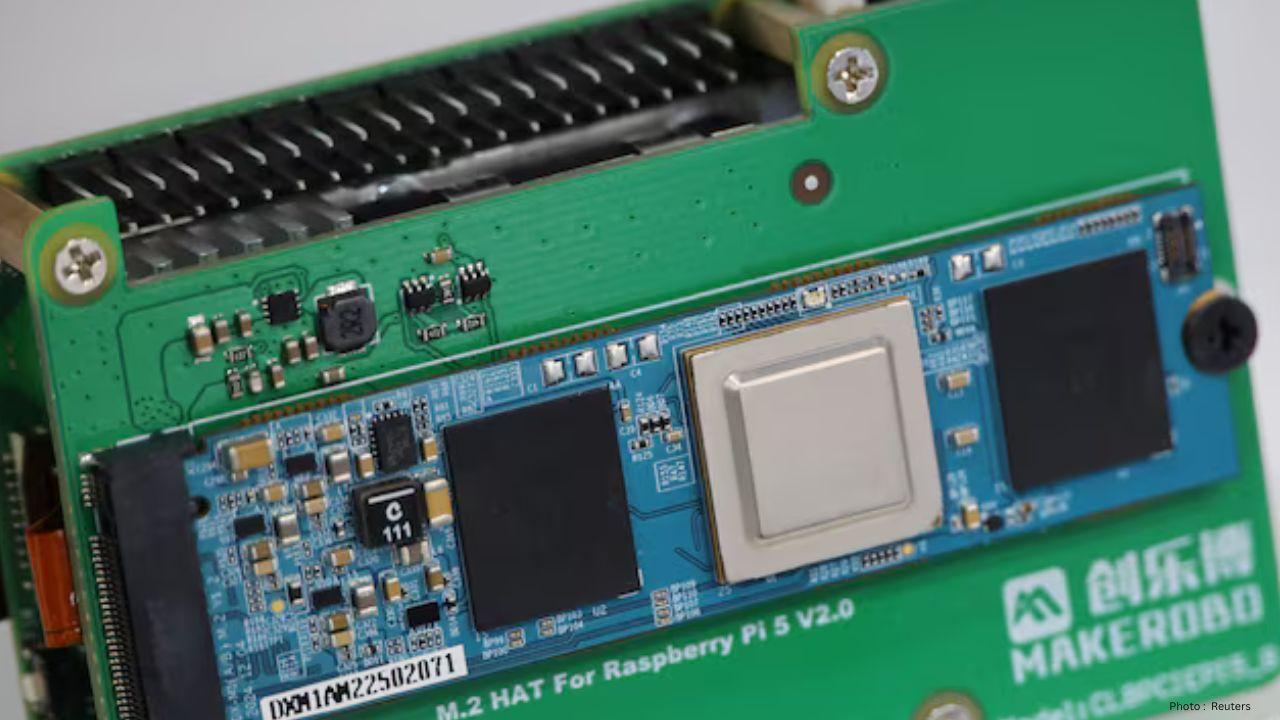
For many years, the United States was seen as the main leader in the tech industry, especially in areas like software and internet services. But now, companies in Asia—especially in South Korea and Taiwan—are playing a critical role in the AI revolution. Their strength lies in one key area: semiconductor chips, which are essential for running AI systems.
Recent data shows that some of Asia’s biggest chipmakers are seeing record growth. Companies such as Samsung Electronics, SK Hynix, and Taiwan Semiconductor Manufacturing Company have become central players in the global AI supply chain. Their chips are used by major technology firms around the world, including those building advanced AI systems.
The strong performance of these companies has pushed stock markets in Asia to new highs. South Korea’s main stock index has seen rapid growth, while Taiwan’s market has also surged due to rising demand for AI-related products. Investors are increasingly putting their money into these companies, hoping to benefit from the ongoing AI boom.
One of the most striking examples is the growth of semiconductor revenues. Some chipmakers have reported massive increases in earnings, showing how important AI demand has become for their business. This has also led to sharp rises in company valuations, with some firms reaching or nearing trillion-dollar market value levels.
The reason behind this growth is simple. Artificial intelligence systems require powerful chips to process large amounts of data. As more companies invest in AI technology, the demand for these chips continues to rise. This has created what experts call a “seller’s market,” where suppliers have strong control over pricing and production capacity.
Another factor driving the rally is investor behavior. Many small investors, especially in South Korea, are actively buying tech stocks. This surge in retail investment has added further momentum to the market. The fear of missing out on profits is encouraging more people to invest in AI-related companies.
However, the rise of Asia’s tech giants also highlights an important shift in the global economy. Instead of being led only by Silicon Valley, the AI industry is now more balanced, with Asia playing a major role. While U.S. companies focus heavily on software and services, Asian firms are dominating the hardware side of the AI ecosystem.
This shift is important because hardware forms the backbone of AI development. Without advanced chips, even the best AI software cannot function properly. As a result, countries that control chip production gain a strong position in the global technology race.
Despite the strong growth, experts warn that there are risks involved. One concern is that the rapid rise in stock prices may not fully reflect long-term value. If expectations become too high, markets could face corrections in the future.
Another concern is the high level of investment required in the AI sector. Companies are spending large amounts of money to build factories, develop new technologies, and increase production capacity. While this investment supports growth, it also creates financial pressure if returns take time to arrive.
There are also geopolitical risks. The semiconductor industry is closely linked to global politics, especially in regions like Taiwan. Any disruption in supply chains could affect the entire global technology industry.
Still, many analysts believe the long-term outlook for AI remains strong. The demand for AI technology is expected to grow in areas such as healthcare, finance, education, and manufacturing. As more industries adopt AI, the need for advanced chips will continue to increase.
The current trend shows that Asia is not just following the global AI boom—it is helping to lead it. By providing the essential technology that powers AI systems, Asian companies are shaping the future of the digital economy.
For investors, this shift offers new opportunities but also requires careful planning. While the potential for growth is high, the risks of market volatility and overvaluation cannot be ignored.
In conclusion, the rise of Asia’s tech giants marks a major change in the global technology landscape. The AI boom is no longer centered in one region. Instead, it is becoming a shared global movement, with Asia playing a central and growing role.
As the world moves deeper into the age of artificial intelligence, the influence of Asian technology companies is likely to grow even stronger. Their success will not only shape the future of markets but also define how AI develops across industries and countries in the years ahead.
#trending #latest #AI #ArtificialIntelligence #TechNews #AsiaTech #Semiconductors #Samsung #TSMC #SKHynix #GlobalMarkets #StockMarket #Innovation #MiddleeastNews









Advances in Aerospace Technology and Commercial Aviation Recovery
Insights into breakthrough aerospace technologies and commercial aviation’s recovery amid 2025 chall

Defense Modernization and Strategic Spending Trends
Explore key trends in global defense modernization and strategic military spending shaping 2025 secu

Tens of Thousands Protest in Serbia on Anniversary of Deadly Roof Collapse
Tens of thousands in Novi Sad mark a year since a deadly station roof collapse that killed 16, prote

Canada PM Carney Apologizes to Trump Over Controversial Reagan Anti-Tariff Ad
Canadian PM Mark Carney apologized to President Trump over an Ontario anti-tariff ad quoting Reagan,

The ad that stirred a hornets nest, and made Canadian PM Carney say sorry to Trump
Canadian PM Mark Carney apologizes to US President Trump after a tariff-related ad causes diplomatic

Bengaluru-Mumbai Superfast Train Approved After 30-Year Wait
Railways approves new superfast train connecting Bengaluru and Mumbai, ending a 30-year demand, easi



