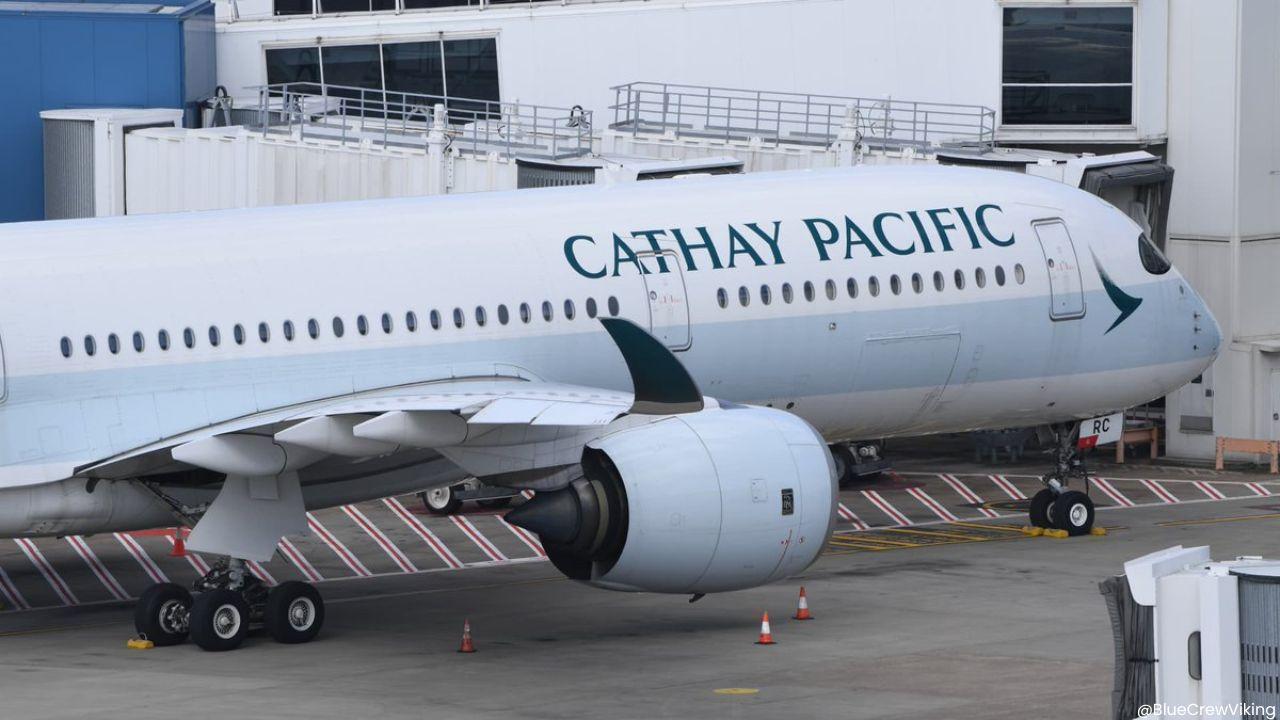
Post by : Avinab Raana
Photo : X / @BlueCrewViking
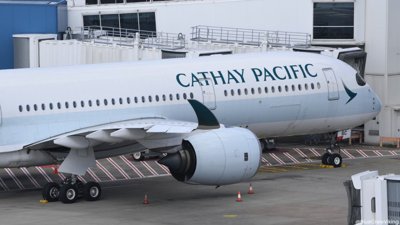
The global aviation industry is once again facing turbulence not in the skies, but in its balance sheets. Hong Kong-based Cathay Pacific and its low-cost arm HK Express have announced a strategic reduction in flight operations as jet fuel prices skyrocket, signaling a broader industry shift driven by geopolitical instability and energy market volatility. What began as a regional crisis in the Middle East has now rippled across global aviation networks, forcing airlines to make tough operational decisions.
Between mid-May and the end of June 2026, Cathay Pacific will reduce approximately 2% of its scheduled passenger flights, while HK Express is expected to cut around 6% of its services during the same period. These reductions will largely impact regional routes, although select long-haul connections across Australia, South Asia, and Africa are also expected to feel the effects.The decision, according to airline statements, comes after exhausting all possible mitigation strategies—including aggressive fuel surcharge hikes and internal cost adjustments. Despite these measures, the relentless rise in fuel costs has left airlines with limited options, pushing capacity reduction from a last resort to an immediate necessity.
At the heart of the crisis lies an unprecedented spike in jet fuel prices. Industry data reveals that global jet fuel costs surged from around $99 per barrel in late February to over $209 per barrel by early April 2026, a near doubling in just weeks.This sharp escalation has been driven by geopolitical tensions in the Middle East, which have disrupted supply chains and tightened global fuel availability. The impact is profound: fuel accounts for nearly 30% of airline operating costs, meaning even small price fluctuations can significantly erode margins. With prices doubling, the financial strain has become unsustainable for many carriers.
For travelers, the consequences are immediate and tangible. Passengers affected by cancellations will be rebooked on alternative flights within a 24-hour window, but the broader disruption extends beyond scheduling. Airlines have already implemented steep fuel surcharge increases, some rising by more than 30% in recent weeks, directly impacting ticket prices and travel demand. Additionally, certain routes particularly those connecting to Middle Eastern hubs such as Dubai and Riyadh remain suspended, reflecting both economic and operational uncertainties. These route adjustments highlight how geopolitical tensions are reshaping not just airline finances, but also global connectivity patterns.
Cathay Pacific’s decision is not an isolated move it reflects a growing trend across the aviation sector. Airlines worldwide are reassessing capacity, revising forecasts, and accelerating efficiency measures to cope with volatile fuel markets. Even well-hedged carriers are struggling, as traditional fuel risk management strategies fail to fully offset the scale of the current price surge. While Cathay Pacific has reiterated its long-term growth ambitions, including plans to increase passenger capacity later in 2026, the current environment underscores the fragility of airline economics in the face of global crises. The industry’s recovery trajectory, once driven by post-pandemic demand, is now being recalibrated by energy market realities.
Looking ahead, both Cathay Pacific and HK Express aim to restore full flight schedules after June, assuming fuel prices stabilize and geopolitical tensions ease. However, industry experts remain cautious, warning that fuel supply constraints and elevated prices could persist for months, if not longer. This moment marks a critical turning point for global aviation. Airlines are being forced to rethink operational resilience, cost structures, and route strategies in real time. For passengers and industry stakeholders alike, the question is no longer whether fuel prices will shape the future of air travel but how deeply they will redefine it.
#trending #latest#JetFuelPrices #CathayPacific #AviationCrisis #AirlineIndustry #HKExpress





Advances in Aerospace Technology and Commercial Aviation Recovery
Insights into breakthrough aerospace technologies and commercial aviation’s recovery amid 2025 chall

Defense Modernization and Strategic Spending Trends
Explore key trends in global defense modernization and strategic military spending shaping 2025 secu

Tens of Thousands Protest in Serbia on Anniversary of Deadly Roof Collapse
Tens of thousands in Novi Sad mark a year since a deadly station roof collapse that killed 16, prote

Canada PM Carney Apologizes to Trump Over Controversial Reagan Anti-Tariff Ad
Canadian PM Mark Carney apologized to President Trump over an Ontario anti-tariff ad quoting Reagan,

The ad that stirred a hornets nest, and made Canadian PM Carney say sorry to Trump
Canadian PM Mark Carney apologizes to US President Trump after a tariff-related ad causes diplomatic

Bengaluru-Mumbai Superfast Train Approved After 30-Year Wait
Railways approves new superfast train connecting Bengaluru and Mumbai, ending a 30-year demand, easi



