Post by : Avinab Raana
Photo : X / @TheEVuniverse
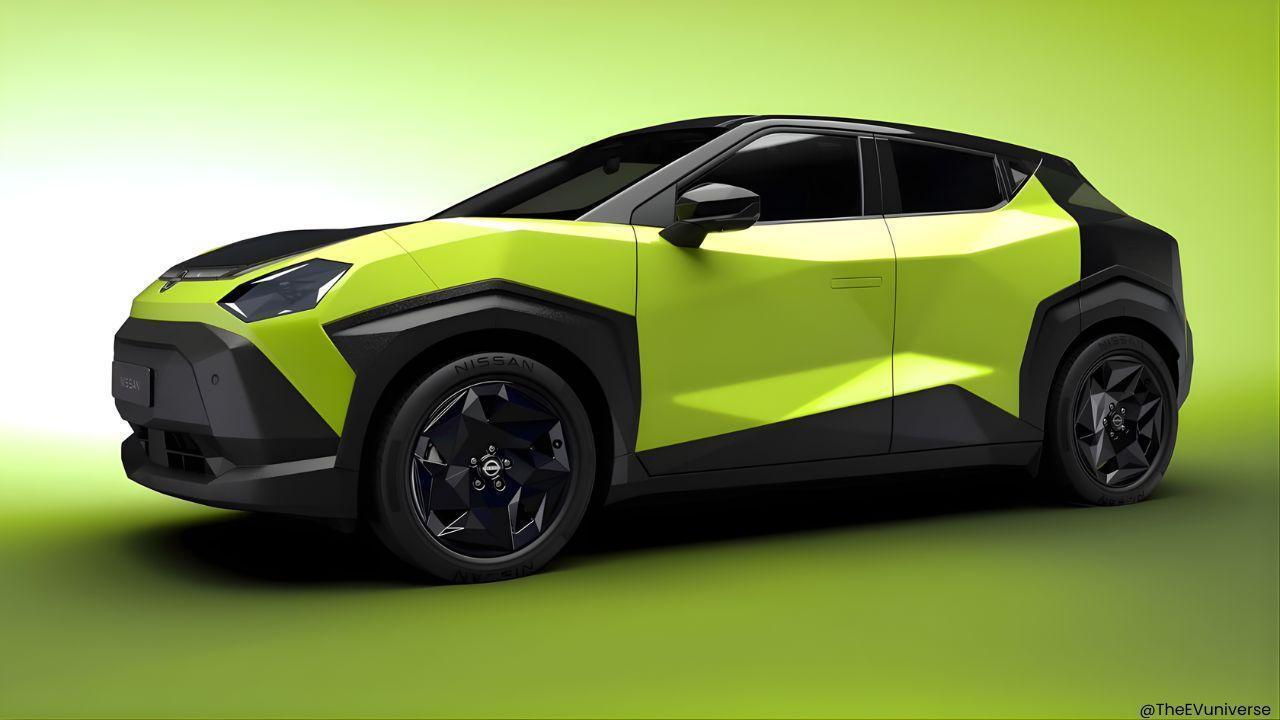
In a bold step that blurs the line between transportation and energy infrastructure, Nissan has unveiled the first-ever electric version of its iconic Juke equipped with groundbreaking vehicle-to-grid (V2G) technology. This is not just another electric SUV launch; it’s a glimpse into a future where cars don’t just consume energy—they actively power homes, cities, and entire grids.
The Nissan Juke, a compact SUV that has sold over a million units globally, is now entering a new era as a fully electric vehicle for the first time. Built on Nissan’s dedicated CMF-EV platform, the new Juke EV represents a strategic shift as the automaker accelerates its electrification roadmap across key global markets.The move aligns with Nissan’s broader transition toward sustainable mobility, positioning the Juke alongside other electric models like the Leaf and Ariya. Importantly, Nissan is adopting a dual strategy continuing hybrid versions while introducing the EV ensuring flexibility as markets transition at different speeds.
What truly sets the electric Juke apart is its integration of vehicle-to-grid technology, a system that allows the car to feed stored electricity back into the power grid or even into homes. In simple terms, the vehicle transforms into a mobile energy storage unit. During peak demand periods, it can supply electricity back to the grid, helping stabilize energy networks and reduce pressure on traditional power sources.This innovation redefines the role of electric vehicles from passive transportation tools to active participants in the energy ecosystem. For consumers, it opens up possibilities such as powering homes during outages or reducing electricity bills through smart energy management.
The new Juke EV is expected to offer multiple battery options, likely ranging between 52 kWh and 75 kWh, with an estimated driving range of up to 600 kilometers. Performance is expected to mirror Nissan’s latest EV lineup, delivering a balance of efficiency and responsiveness tailored for urban and long-distance driving. Beyond performance, the design takes a radical turn featuring sharp geometric styling inspired by futuristic concept cars, ensuring that the Juke retains its signature bold identity. This combination of distinctive design and advanced technology positions the Juke EV as a standout contender in the rapidly growing compact electric SUV segment.
The introduction of V2G technology in a mass-market compact SUV signals a major shift in how automakers are approaching electrification. Instead of focusing solely on emissions reduction, companies are now exploring how vehicles can integrate with broader energy systems.This approach has far-reaching implications. As more EVs adopt bidirectional charging capabilities, they could collectively act as a distributed energy network, supporting grid stability and accelerating the adoption of renewable energy sources.For the automotive industry, this represents a convergence of mobility and energy sectors unlocking new business models and revenue streams.
The compact electric SUV segment is becoming one of the most competitive spaces in the automotive industry. With players like Hyundai, Kia, and Volkswagen pushing aggressively into electrification, Nissan’s move with the Juke EV ensures it remains relevant in a rapidly evolving market. By combining bold design, practical range, and advanced energy capabilities, Nissan is positioning the Juke as more than just a vehicle, it’s a technological statement aimed at attracting a new generation of environmentally conscious consumers.
The electric Juke’s V2G capability represents a fundamental shift in how vehicles are perceived and utilized. As energy systems become smarter and more decentralized, EVs will play a crucial role in balancing supply and demand.For Nissan, this launch is not just about introducing a new model, it’s about redefining the future of mobility. And for consumers, it signals a future where owning a car means owning a piece of the energy grid itself. In the evolving landscape of transportation and energy, the question is no longer whether cars will go electric—but how intelligently they will integrate into the world around them.
#trending #latest#NissanJukeEV #VehicleToGrid #ElectricSUV #EVInnovation #SmartMobility



Advances in Aerospace Technology and Commercial Aviation Recovery
Insights into breakthrough aerospace technologies and commercial aviation’s recovery amid 2025 chall

Defense Modernization and Strategic Spending Trends
Explore key trends in global defense modernization and strategic military spending shaping 2025 secu

Tens of Thousands Protest in Serbia on Anniversary of Deadly Roof Collapse
Tens of thousands in Novi Sad mark a year since a deadly station roof collapse that killed 16, prote

Canada PM Carney Apologizes to Trump Over Controversial Reagan Anti-Tariff Ad
Canadian PM Mark Carney apologized to President Trump over an Ontario anti-tariff ad quoting Reagan,

The ad that stirred a hornets nest, and made Canadian PM Carney say sorry to Trump
Canadian PM Mark Carney apologizes to US President Trump after a tariff-related ad causes diplomatic

Bengaluru-Mumbai Superfast Train Approved After 30-Year Wait
Railways approves new superfast train connecting Bengaluru and Mumbai, ending a 30-year demand, easi



