Post by : Saif
Rising energy prices have become a major concern for the United States as the conflict involving Iran continues to disrupt global oil markets. In response, the White House is urging federal agencies to take stronger steps to deal with the growing pressure on fuel prices and the wider economy.
The ongoing crisis in the Middle East has shaken energy markets around the world. Oil supplies from the region have been affected by fighting and security risks, especially around important shipping routes. As a result, global oil prices have jumped sharply, and many governments are now worried about inflation and economic instability.
Officials in Washington say that different departments of the U.S. government are being asked to examine new ways to respond to the price surge. These efforts include reviewing energy supply options and possible financial tools that could calm the market. The goal is to protect consumers and businesses from the sudden rise in fuel costs.
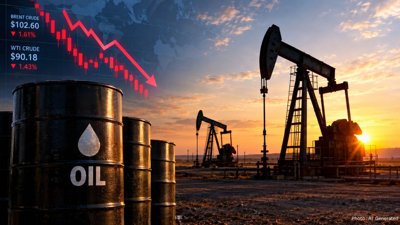
The conflict has already pushed oil prices much higher. U.S. crude prices have climbed significantly, while global benchmark prices have moved above $90 per barrel. These increases are the biggest weekly gains seen since the early days of the COVID-19 pandemic, showing how serious the situation has become.
One of the biggest reasons for the price surge is the disruption around the Strait of Hormuz. This narrow waterway between Iran and the Arabian Peninsula is one of the most important oil routes in the world. Nearly one-fifth of global oil supply passes through it every day. When shipping in this area slows or stops, the effects are felt across the global economy.
Because of the current conflict, shipping traffic in the region has dropped sharply. Tankers carrying crude oil have stayed away from the strait due to fears of attacks. At one point, traffic in the waterway fell close to zero, leaving many ships waiting outside the area and delaying global oil deliveries.
These disruptions have caused a chain reaction in energy markets. Countries that depend heavily on Middle Eastern oil, especially in Asia, are now searching for alternative supplies. At the same time, companies are rushing to buy oil from other producers, including the United States. This sudden demand is another factor pushing prices higher.
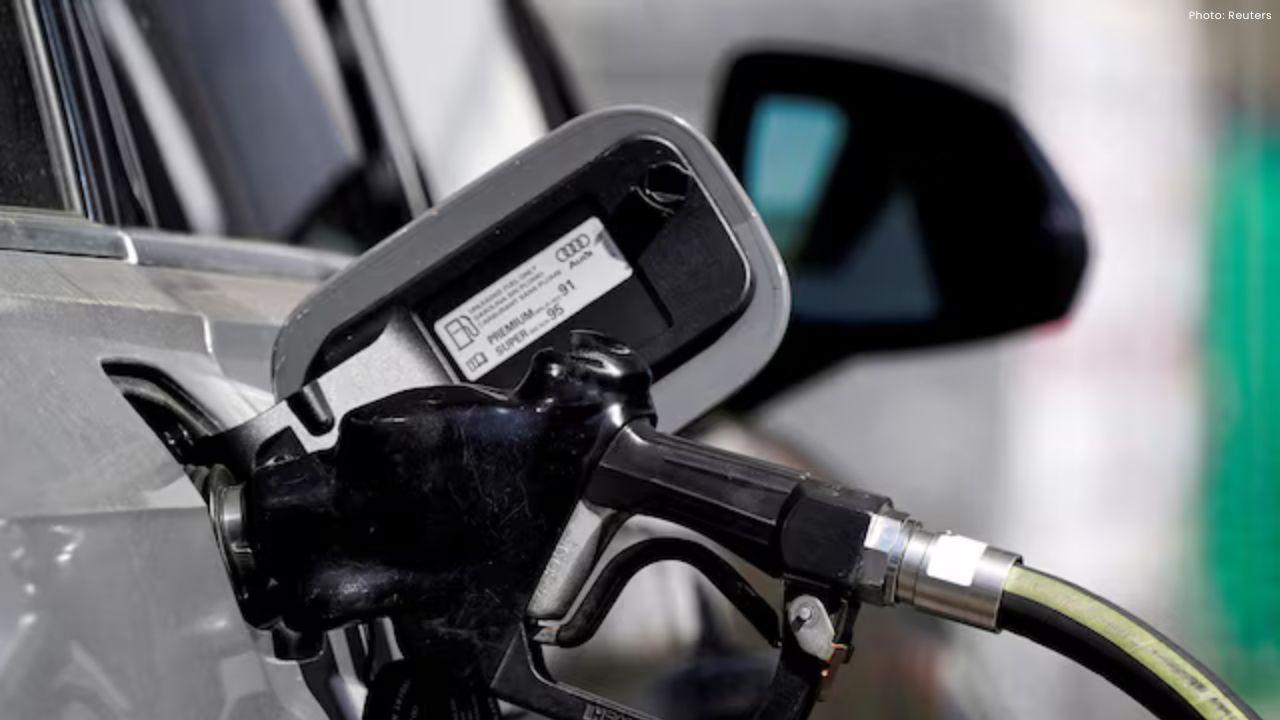
Higher oil prices quickly affect daily life. When crude oil becomes more expensive, the cost of gasoline, diesel, and other fuels also increases. In the United States, average gasoline prices have already climbed in recent days, adding pressure on households and businesses. Transportation, food production, and manufacturing all depend on affordable fuel.
The political impact is also significant. Rising fuel prices often influence public opinion and economic confidence. Leaders in Washington understand that if the situation continues, it could create economic challenges at home while also affecting global financial markets.
Some experts believe governments may eventually need to use emergency measures if the conflict continues. These could include releasing oil from strategic reserves or encouraging higher production from other countries. Such steps are designed to increase supply and reduce pressure on prices.
However, solving the problem will not be easy. Energy markets depend heavily on stability in the Middle East. If fighting continues or spreads further, the disruption could last much longer and push prices even higher.
For now, the White House appears focused on finding practical solutions to reduce the pressure on consumers and keep the energy market stable. Officials say that cooperation between government agencies, energy companies, and international partners will be important in managing the crisis.
The coming weeks will show whether these efforts can calm the markets or whether the ongoing conflict will continue to shake the global energy system.
#trending #latest #EnergyPrices #IranConflict #GlobalOilMarket #FuelPrices #EnergyCrisis #MiddleEastConflict #OilSupply #WorldEconomy #BreakingNews #armustnews








Advances in Aerospace Technology and Commercial Aviation Recovery
Insights into breakthrough aerospace technologies and commercial aviation’s recovery amid 2025 chall

Defense Modernization and Strategic Spending Trends
Explore key trends in global defense modernization and strategic military spending shaping 2025 secu

Tens of Thousands Protest in Serbia on Anniversary of Deadly Roof Collapse
Tens of thousands in Novi Sad mark a year since a deadly station roof collapse that killed 16, prote

Canada PM Carney Apologizes to Trump Over Controversial Reagan Anti-Tariff Ad
Canadian PM Mark Carney apologized to President Trump over an Ontario anti-tariff ad quoting Reagan,

The ad that stirred a hornets nest, and made Canadian PM Carney say sorry to Trump
Canadian PM Mark Carney apologizes to US President Trump after a tariff-related ad causes diplomatic

Bengaluru-Mumbai Superfast Train Approved After 30-Year Wait
Railways approves new superfast train connecting Bengaluru and Mumbai, ending a 30-year demand, easi



