Post by : Saif
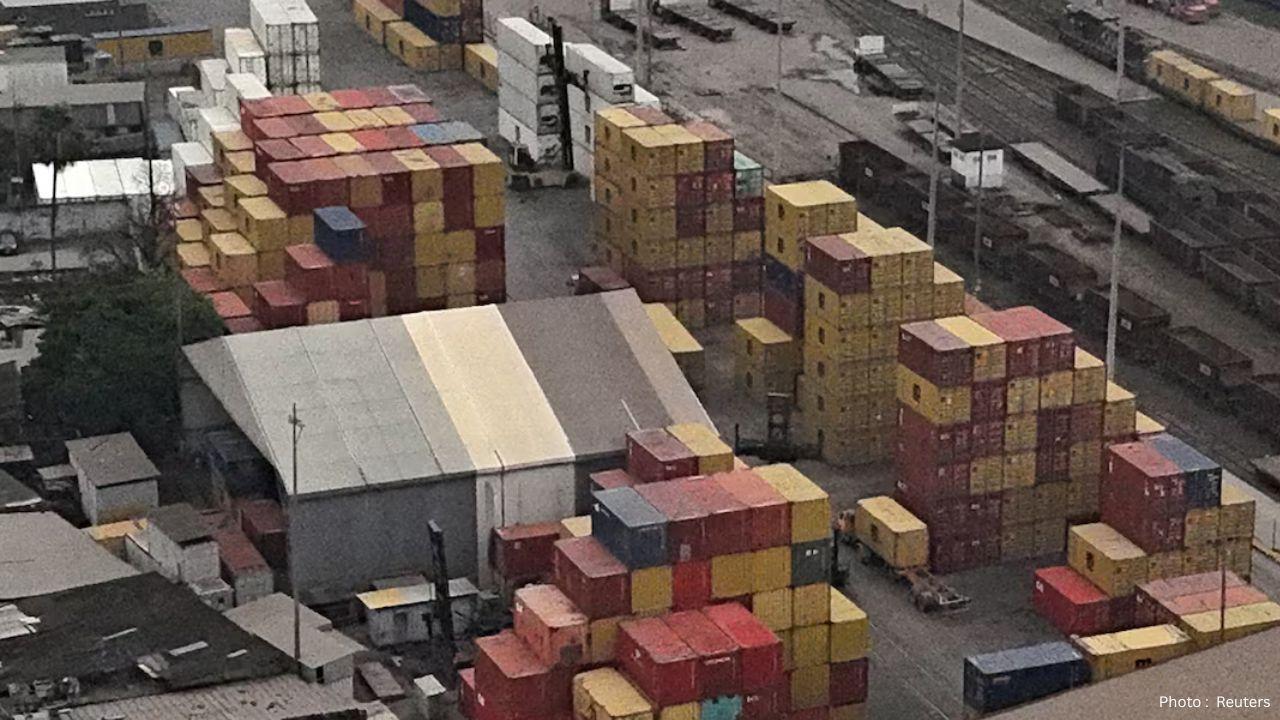
United States has introduced a 25% tariff on a wide range of Brazilian imports, marking the first major trade action under the Trump administration's revised trade enforcement strategy. The new duties are expected to affect billions of dollars in Brazilian exports and increase pressure on industries that rely heavily on the U.S. market.
The tariffs officially take effect on Wednesday and target products including farm machinery, ethanol, wood products, apparel, and manufactured goods.
Brazilian government estimates suggest the new tariff could impact between $7 billion and $11 billion worth of exports to the United States.
That represents roughly 18% to 26% of Brazil's total exports to the U.S., making it one of the most significant trade measures imposed on the country in recent years.
Despite the broad tariff package, the United States has exempted several key Brazilian exports, including beef, coffee, aircraft, and aircraft parts, helping reduce the immediate impact on some of Brazil's largest export industries.
The new duties were introduced following a Section 301 investigation under the U.S. Trade Act of 1974.
Washington says the action addresses what it considers unfair Brazilian trade practices, including concerns related to digital payment systems, ethanol market access, and environmental policies linked to illegal deforestation.
The decision comes after the U.S. Supreme Court earlier struck down broader emergency tariffs imposed under previous executive authority, prompting the administration to pursue alternative legal mechanisms.
Read more: Trump Switches From Old Air Force One to New Qatari Jet During UK Stop After Turkey Visit
The tariff is expected to hit several manufacturing sectors, with the footwear industry among the hardest affected.
The United States is Brazil's largest overseas market for footwear, purchasing approximately one out of every five pairs of shoes exported by Brazilian manufacturers.
Industry representatives warn that higher import duties could make Brazilian products less competitive, forcing companies to reduce production, cut exports, and potentially lay off workers.
Manufacturers are urging both governments to negotiate exemptions or revised trade terms before additional economic damage occurs.
Economists caution that the latest tariffs could have consequences beyond immediate export losses.
Businesses on both sides may delay investments or reconsider long-term supply chain strategies because of growing uncertainty surrounding U.S.-Brazil trade relations.
According to trade data, Brazilian exports to the United States have already declined significantly during the first half of 2026 compared with the same period last year, particularly in industrial goods such as steel, petroleum products, and wood pulp.
Brazil also faces another U.S. investigation related to allegations of forced labor.
That review is expected to conclude on July 24, and if additional penalties are approved, some Brazilian products could face total tariffs of up to 37.5%.
Brazilian officials say they are still awaiting clarity on how any additional duties would be implemented.
The latest trade measures add fresh uncertainty to economic relations between the two countries, with businesses closely watching for possible negotiations or policy changes in the coming weeks.
#trending #latest #USTariffs #Brazil #GlobalTrade #Trump #TradeWar #BrazilExports #BusinessNews #Economy #InternationalTrade #Tariffs #Manufacturing #BreakingNews #WorldNews #USBrazil #ExportNews








Advances in Aerospace Technology and Commercial Aviation Recovery
Insights into breakthrough aerospace technologies and commercial aviation’s recovery amid 2025 chall

Defense Modernization and Strategic Spending Trends
Explore key trends in global defense modernization and strategic military spending shaping 2025 secu

Tens of Thousands Protest in Serbia on Anniversary of Deadly Roof Collapse
Tens of thousands in Novi Sad mark a year since a deadly station roof collapse that killed 16, prote

Canada PM Carney Apologizes to Trump Over Controversial Reagan Anti-Tariff Ad
Canadian PM Mark Carney apologized to President Trump over an Ontario anti-tariff ad quoting Reagan,

The ad that stirred a hornets nest, and made Canadian PM Carney say sorry to Trump
Canadian PM Mark Carney apologizes to US President Trump after a tariff-related ad causes diplomatic

Bengaluru-Mumbai Superfast Train Approved After 30-Year Wait
Railways approves new superfast train connecting Bengaluru and Mumbai, ending a 30-year demand, easi



