Post by : Saif
U.S. automotive industry is rapidly restructuring its supply chains as manufacturers prepare to comply with federal regulations that will prohibit Chinese-connected vehicle technology in future models. Automakers are working to replace Chinese-made connectivity hardware years before the government-imposed deadlines take effect.
The shift follows U.S. regulations introduced over national security and data privacy concerns, requiring automakers to eliminate certain Chinese-connected vehicle software beginning with 2027 model-year vehicles and hardware by 2030 model-year vehicles.
The new regulations are pushing automakers and suppliers to identify alternative sources for key vehicle connectivity components. These include wireless communication modules, satellite communication systems, external antennas, and microcontrollers that allow vehicles to connect with external networks.
Since vehicle development typically begins several years before production, manufacturers are already redesigning future models to comply with the upcoming requirements.
Ohio-based Eagle Wireless, established in late 2025, has emerged as one of the companies benefiting from the policy shift.
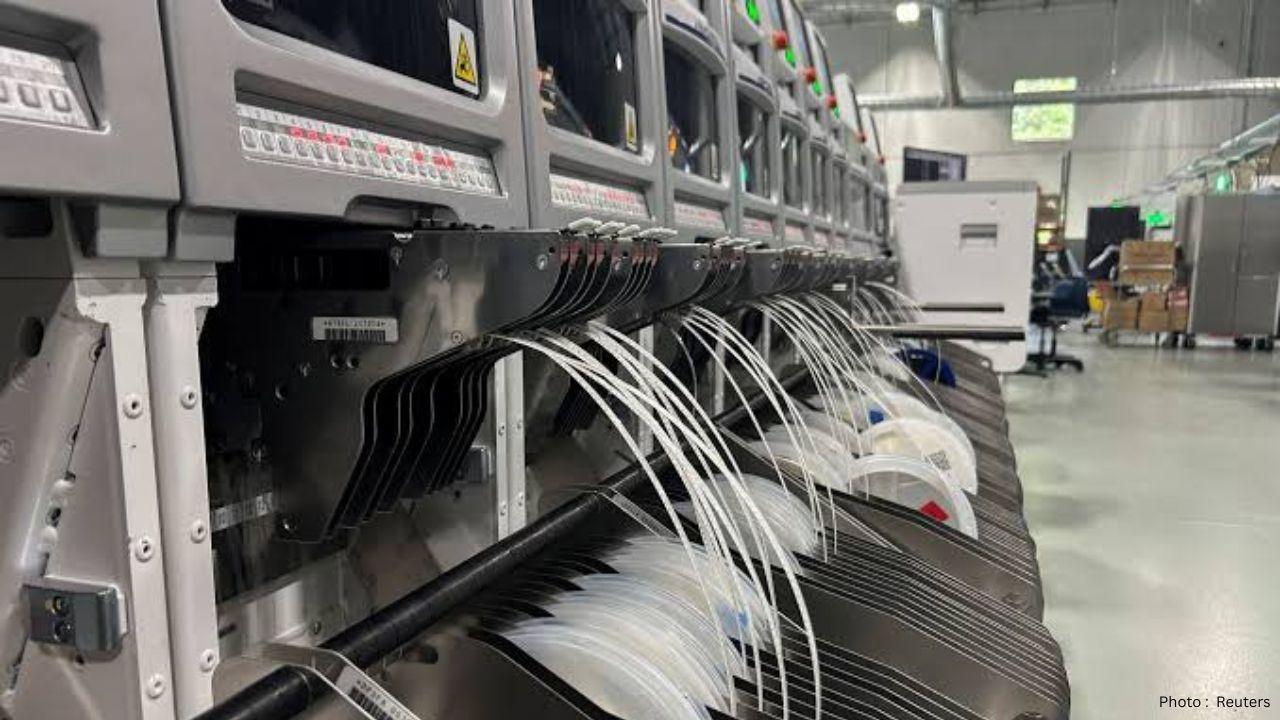
The company is expanding production of automotive connectivity modules and plans to significantly increase its manufacturing capacity over the next three years. Company officials say demand has surged as automakers search for suppliers capable of replacing Chinese hardware.
Eagle Wireless expects to substantially increase production while expanding its workforce to meet growing industry demand.
Industry experts warn that replacing Chinese suppliers will increase manufacturing costs.
According to supplier estimates, connectivity modules produced outside China currently cost approximately 5% to 15% more than comparable Chinese-made components. Automakers must also invest additional resources to verify supply chains and ensure compliance with the new federal rules.
Analysts say these higher costs may ultimately affect vehicle production expenses across the industry.
Read more: Chinese Airlines Post First Quarter Profits but Face Fuel Cost Pressure
The regulations have prompted automakers to conduct detailed reviews of their global supplier networks to identify any components that may originate from China.
Industry groups say manufacturers now require greater visibility into every stage of the supply chain to ensure future vehicles comply with U.S. regulations.
Some companies are also developing backup suppliers to reduce risks associated with geopolitical tensions and international trade disruptions.
The connected-vehicle restrictions were introduced in January 2025 following concerns that Chinese-made vehicle technology could present national security and data privacy risks.
The regulations remain in effect under the current U.S. administration and are intended to reduce reliance on Chinese technology in connected vehicles sold in the United States.
The policy forms part of a broader effort to diversify supply chains for critical technologies, including electric vehicle batteries, semiconductors, and advanced automotive electronics.
While many automakers support efforts to strengthen domestic manufacturing, experts say the transition will require significant investment and engineering work over the coming years.
Some companies have already sought exemptions for specific vehicle models, while others continue expanding partnerships with non-Chinese suppliers to ensure compliance before the federal deadlines.
Industry analysts believe the move represents one of the largest supply chain transformations in the automotive sector in recent years, with long-term implications for vehicle manufacturing, technology development, and global competition.
#trending #latest #USAutoIndustry #ConnectedCars #Automotive #China #Technology #SupplyChain #ElectricVehicles #Cybersecurity #NationalSecurity #BusinessNews #AutoNews #Manufacturing #Innovation #BreakingNews










Advances in Aerospace Technology and Commercial Aviation Recovery
Insights into breakthrough aerospace technologies and commercial aviation’s recovery amid 2025 chall

Defense Modernization and Strategic Spending Trends
Explore key trends in global defense modernization and strategic military spending shaping 2025 secu

Tens of Thousands Protest in Serbia on Anniversary of Deadly Roof Collapse
Tens of thousands in Novi Sad mark a year since a deadly station roof collapse that killed 16, prote

Canada PM Carney Apologizes to Trump Over Controversial Reagan Anti-Tariff Ad
Canadian PM Mark Carney apologized to President Trump over an Ontario anti-tariff ad quoting Reagan,

The ad that stirred a hornets nest, and made Canadian PM Carney say sorry to Trump
Canadian PM Mark Carney apologizes to US President Trump after a tariff-related ad causes diplomatic

Bengaluru-Mumbai Superfast Train Approved After 30-Year Wait
Railways approves new superfast train connecting Bengaluru and Mumbai, ending a 30-year demand, easi



