Post by : Saif
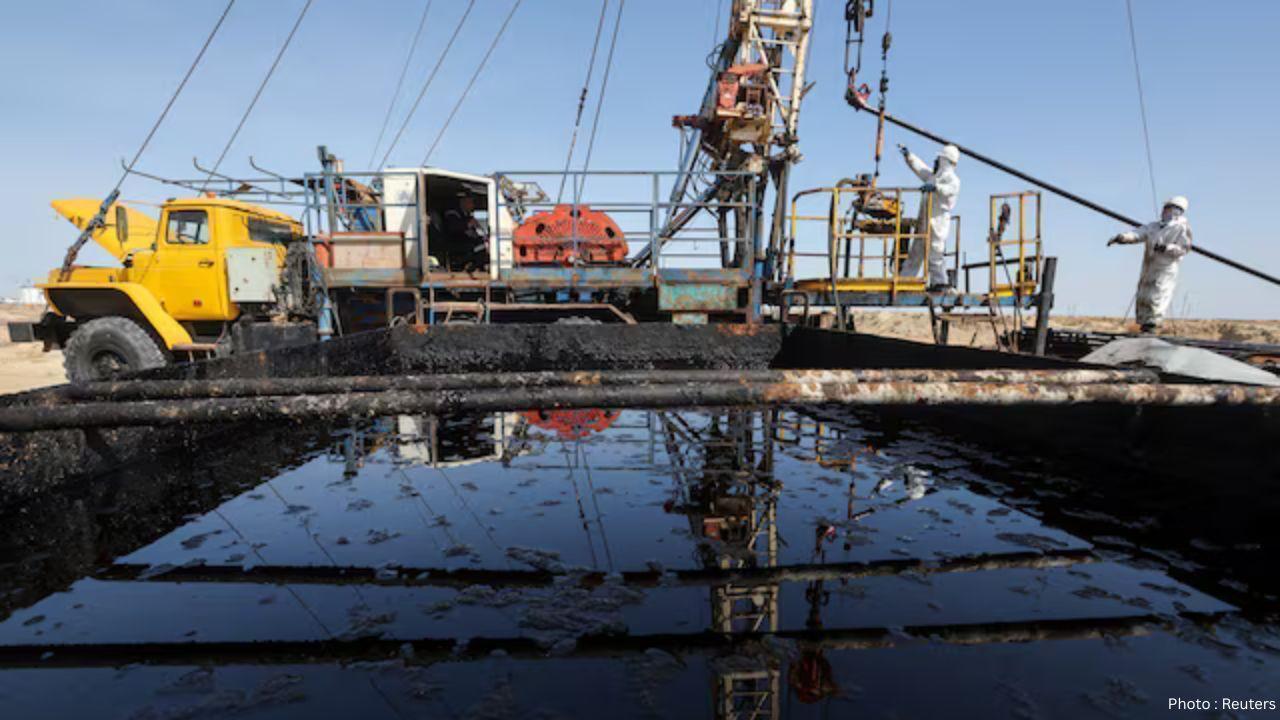
Global oil prices fell by more than 1% on Tuesday after reports that international mediators had proposed a 10-day ceasefire between the United States and Iran. The possibility of renewed diplomacy eased some concerns in energy markets, despite continued military exchanges between the two countries.
Brent crude futures dropped by $1.21, or 1.4%, to around $88 per barrel, while U.S. West Texas Intermediate (WTI) crude also declined by more than 1% during early trading.
According to reports, Tehran has received a proposal from international mediators for a temporary 10-day ceasefire aimed at reviving the interim agreement reached in June. The proposal is intended to reduce military tensions and create space for broader negotiations between Washington and Tehran.
Market participants viewed the development as a possible step toward de-escalation, helping ease immediate fears of prolonged disruption to global oil supplies.
Despite renewed diplomatic efforts, military action continued across the region. The United States carried out another round of airstrikes targeting sites inside Iran, while Iranian forces reportedly launched fresh attacks against U.S. military assets.
The ongoing exchange of strikes highlights that significant differences remain between both sides, keeping geopolitical risks elevated despite ceasefire discussions.
Security concerns in the Strait of Hormuz continue to influence global energy markets. A commercial tanker reported being struck by an unidentified projectile while transiting the strategic waterway, forcing its crew to abandon the vessel.
Shipping activity through the Strait has declined in recent days as shipping companies assess security risks. The waterway remains one of the world's most important routes for crude oil and liquefied natural gas exports.
Adding to market uncertainty, Yemen's Houthi movement announced plans to impose a naval blockade on Saudi Arabia, raising concerns about another potential disruption to regional oil exports.
Energy analysts say any threat to shipping routes in the Red Sea or the Strait of Hormuz could significantly impact global oil supplies, transportation costs, and energy prices if tensions continue.
Investors are closely monitoring diplomatic negotiations alongside military developments. Analysts say oil prices are likely to remain volatile until there is greater clarity on the ceasefire proposal and the security situation in the Gulf region.
#trending #latest #OilPrices #BrentCrude #WTI #USIran #Ceasefire #StraitOfHormuz #MiddleEast #GlobalMarkets #Energy #OilMarket #SaudiArabia #Houthis #Iran #UnitedStates #BreakingNews #BusinessNews #WorldNews








Advances in Aerospace Technology and Commercial Aviation Recovery
Insights into breakthrough aerospace technologies and commercial aviation’s recovery amid 2025 chall

Defense Modernization and Strategic Spending Trends
Explore key trends in global defense modernization and strategic military spending shaping 2025 secu

Tens of Thousands Protest in Serbia on Anniversary of Deadly Roof Collapse
Tens of thousands in Novi Sad mark a year since a deadly station roof collapse that killed 16, prote

Canada PM Carney Apologizes to Trump Over Controversial Reagan Anti-Tariff Ad
Canadian PM Mark Carney apologized to President Trump over an Ontario anti-tariff ad quoting Reagan,

The ad that stirred a hornets nest, and made Canadian PM Carney say sorry to Trump
Canadian PM Mark Carney apologizes to US President Trump after a tariff-related ad causes diplomatic

Bengaluru-Mumbai Superfast Train Approved After 30-Year Wait
Railways approves new superfast train connecting Bengaluru and Mumbai, ending a 30-year demand, easi



