Post by : Saif
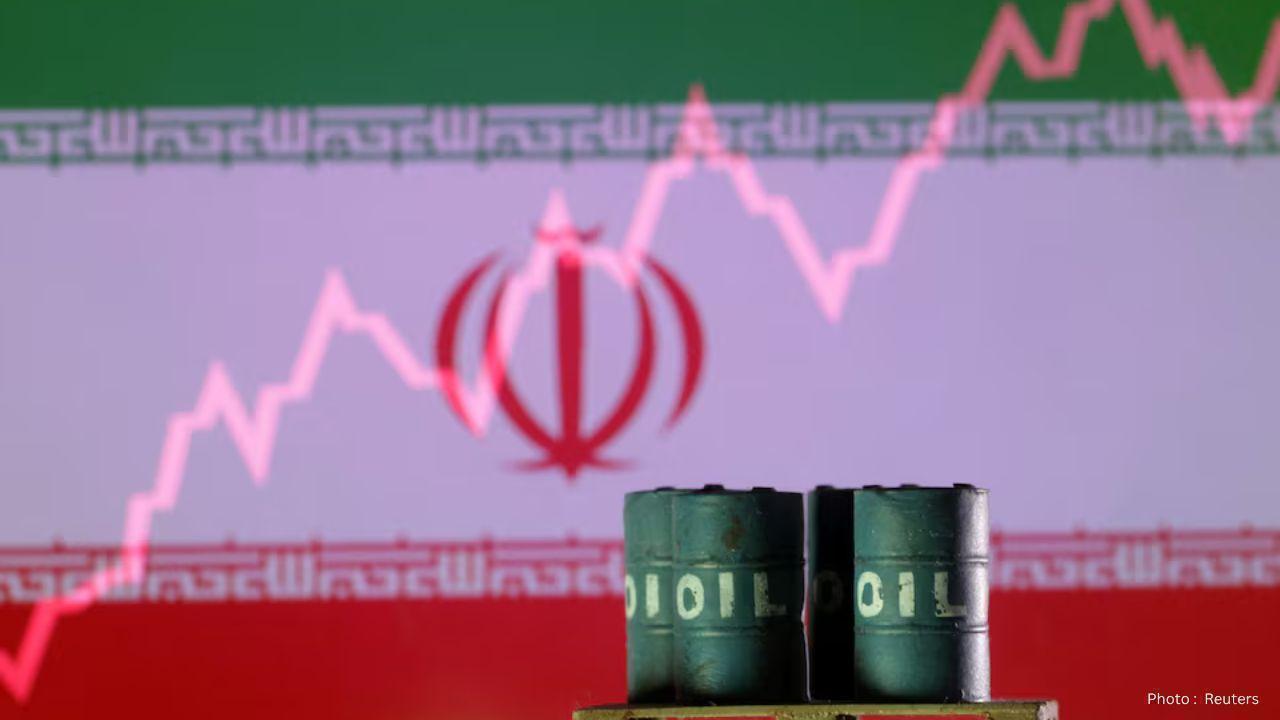
Iran has started discussions with Japanese companies to explore the possibility of resuming crude oil exports under a temporary U.S. sanctions waiver, according to multiple Iranian and Western sources. If successful, it would mark Japan's first purchase of Iranian oil since 2019, when stricter U.S. sanctions forced several countries to halt imports from Tehran.
The temporary waiver, issued on June 22 as part of ongoing 60-day peace talks between Iran and the United States, allows limited oil trade but is scheduled to expire on August 21. Industry sources say Japanese companies are interested in restarting imports but want greater clarity before committing to any deals.
Buyers Want Longer Sanctions Waiver
According to sources familiar with the discussions, at least three Japanese oil buyers are evaluating the possibility of importing Iranian crude. However, potential buyers have reportedly requested that the United States extend the current sanctions waiver, arguing that the existing timeframe may not be sufficient to complete shipping, insurance, and commercial arrangements.
A senior Iranian official said longer exemptions would be necessary because transporting crude oil from Iran to Japan requires several weeks, making the current waiver period too short for practical deliveries.
Iran Seeks Return of Traditional Customers
Officials from Iran's National Iranian Oil Company (NIOC) have reportedly contacted several of the country's traditional oil customers, including Japan, encouraging them to prepare for a possible return to Iranian crude if a broader peace agreement results in the lifting of sanctions.
Before U.S. sanctions were tightened in 2018, Japan, India, South Korea, and several European countries were among the largest buyers of Iranian oil. Since then, China has remained Iran's primary customer, purchasing most of its exported crude.
Shipping Safety Remains a Major Concern
Despite the ongoing discussions, maritime security remains one of the biggest obstacles to restarting oil shipments.
The Strait of Hormuz, through which a significant portion of the world's oil supply passes, continues to face security risks following recent regional tensions. Shipping companies remain cautious after reports of attacks on commercial vessels and increased military activity in the area.
Industry officials say insurance costs for oil tankers have risen sharply, while uncertainty over navigation safety continues to discourage many international buyers.
Insurance and Logistics Pose Challenges
Japanese refiners are also assessing commercial risks beyond sanctions. Industry executives say obtaining marine insurance for vessels operating near the Strait of Hormuz remains difficult due to ongoing geopolitical instability.
Sources indicated that any future shipments would likely be loaded at Iran's Kharg Island oil terminal and transported using Japanese-operated tankers if commercial agreements are finalized.
However, analysts believe the short duration of the current waiver is unlikely to encourage major Asian refiners to place immediate orders, especially as many already have sufficient crude supplies from other producers.
Peace Talks Could Shape Future Energy Trade
The future of Iranian oil exports largely depends on the outcome of ongoing diplomatic negotiations between Tehran and Washington. A comprehensive agreement could pave the way for broader sanctions relief, allowing Iran to gradually restore exports to traditional markets across Asia and Europe.
Until then, market participants are expected to remain cautious, closely monitoring developments in both the diplomatic process and regional maritime security.
#trending #latest #Iran #Japan #OilExports #USSanctions #CrudeOil #StraitOfHormuz #EnergyNews #GlobalOil #MiddleEast #WorldNews #JapanEnergy #IranOil #Reuters #BusinessNews #Geopolitics


Advances in Aerospace Technology and Commercial Aviation Recovery
Insights into breakthrough aerospace technologies and commercial aviation’s recovery amid 2025 chall

Defense Modernization and Strategic Spending Trends
Explore key trends in global defense modernization and strategic military spending shaping 2025 secu

Tens of Thousands Protest in Serbia on Anniversary of Deadly Roof Collapse
Tens of thousands in Novi Sad mark a year since a deadly station roof collapse that killed 16, prote

Canada PM Carney Apologizes to Trump Over Controversial Reagan Anti-Tariff Ad
Canadian PM Mark Carney apologized to President Trump over an Ontario anti-tariff ad quoting Reagan,

The ad that stirred a hornets nest, and made Canadian PM Carney say sorry to Trump
Canadian PM Mark Carney apologizes to US President Trump after a tariff-related ad causes diplomatic

Bengaluru-Mumbai Superfast Train Approved After 30-Year Wait
Railways approves new superfast train connecting Bengaluru and Mumbai, ending a 30-year demand, easi



