Post by : Saif
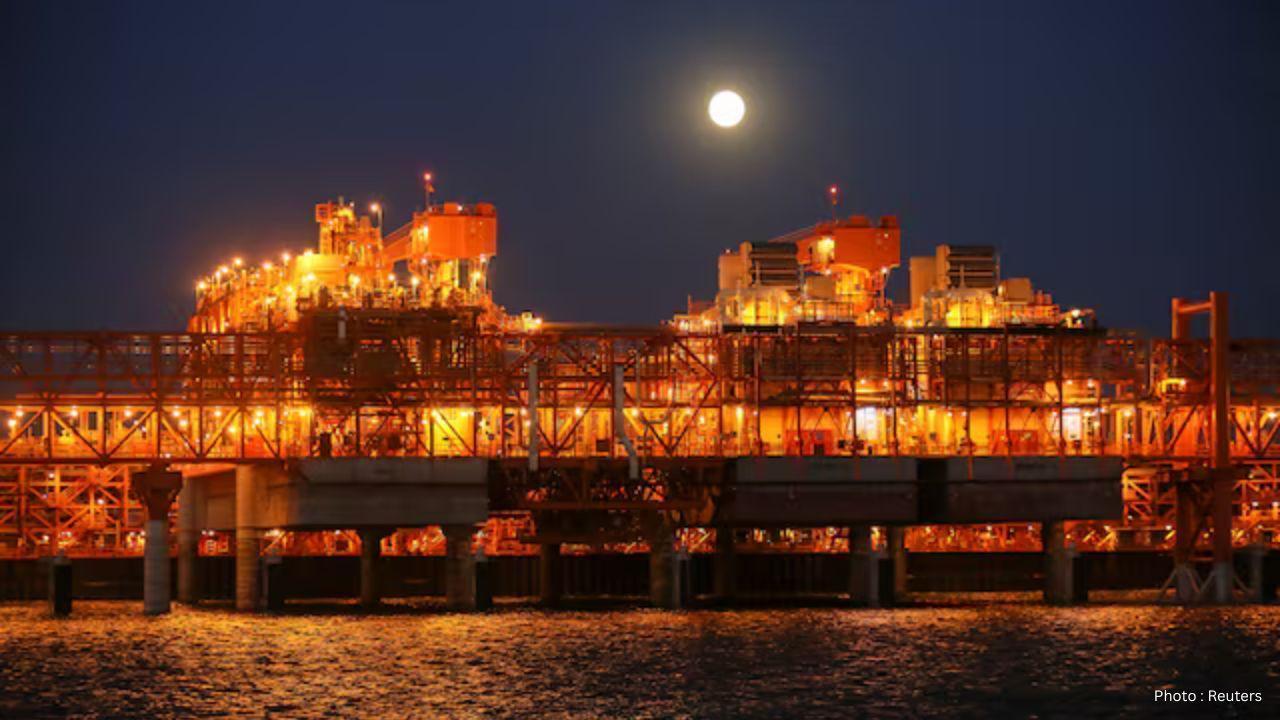
Global oil prices surged more than 4% on Friday, reaching their highest level in over a month, as escalating military tensions between the United States and Iran fueled concerns over disruptions to key global energy shipping routes.
The latest rise follows renewed attacks across the Gulf region and growing fears that conflict could spread to both the Strait of Hormuz and the Red Sea, two of the world's most important maritime trade corridors.
Brent crude futures settled at $88.10 per barrel, gaining 4.59%, while US West Texas Intermediate (WTI) crude rose 4.48% to close at $82.49 per barrel.
Both benchmark contracts reached their highest levels since mid-June and recorded weekly gains of around 16%, reflecting growing concerns over global oil supplies.
Oil markets reacted sharply after the United States expanded its military operations against Iranian infrastructure, while Iran responded with attacks targeting US allies and military facilities across the Middle East.
Analysts said continued military escalation has increased the risk of damage to oil infrastructure and commercial shipping, adding upward pressure on crude prices.
The Strait of Hormuz, through which nearly 20% of global oil supplies normally pass, has experienced reduced shipping activity following the collapse of the ceasefire.
Meanwhile, reports that Iran has urged Yemen's Houthi movement to disrupt shipping in the Red Sea if further attacks target Iranian infrastructure have intensified concerns over another critical energy route.
Any disruption in either waterway could significantly affect global energy markets and international trade.
Read more: BP Names Meg O’Neill as New CEO, Marking a Major Shift in Leadership and Strategy
To reduce risks associated with the Strait of Hormuz, Saudi Arabia has redirected a significant portion of its crude exports through the Yanbu terminal on the Red Sea via the East-West Pipeline.
Industry analysts say this strategy helps maintain exports but also highlights growing concerns about the security of Gulf shipping lanes.
Market analysts warn that continued attacks on energy infrastructure, tankers or strategic waterways could push oil prices even higher in the coming weeks.
Investors are closely monitoring developments across the Middle East, where military tensions continue to threaten global energy security and supply chains.
#trending #latest #OilPrices #BrentCrude #WTI #USIranConflict #StraitOfHormuz #RedSea #EnergyMarkets #GlobalEconomy #MiddleEast #CrudeOil #BreakingNews #BusinessNews #OilMarket #WorldNews #EnergySecurity







Advances in Aerospace Technology and Commercial Aviation Recovery
Insights into breakthrough aerospace technologies and commercial aviation’s recovery amid 2025 chall

Defense Modernization and Strategic Spending Trends
Explore key trends in global defense modernization and strategic military spending shaping 2025 secu

Tens of Thousands Protest in Serbia on Anniversary of Deadly Roof Collapse
Tens of thousands in Novi Sad mark a year since a deadly station roof collapse that killed 16, prote

Canada PM Carney Apologizes to Trump Over Controversial Reagan Anti-Tariff Ad
Canadian PM Mark Carney apologized to President Trump over an Ontario anti-tariff ad quoting Reagan,

The ad that stirred a hornets nest, and made Canadian PM Carney say sorry to Trump
Canadian PM Mark Carney apologizes to US President Trump after a tariff-related ad causes diplomatic

Bengaluru-Mumbai Superfast Train Approved After 30-Year Wait
Railways approves new superfast train connecting Bengaluru and Mumbai, ending a 30-year demand, easi



