Post by : Saif
South Korea is considering gradually expanding its role in security operations near the Strait of Hormuz after recent defense discussions with the United States. The move comes as tensions in the Middle East continue affecting global energy supplies and international maritime security.
South Korean Defense Minister officials said the country is reviewing possible changes to its current military mission in the region. Reports suggest Seoul may increase its participation step by step instead of making sudden large-scale deployments.
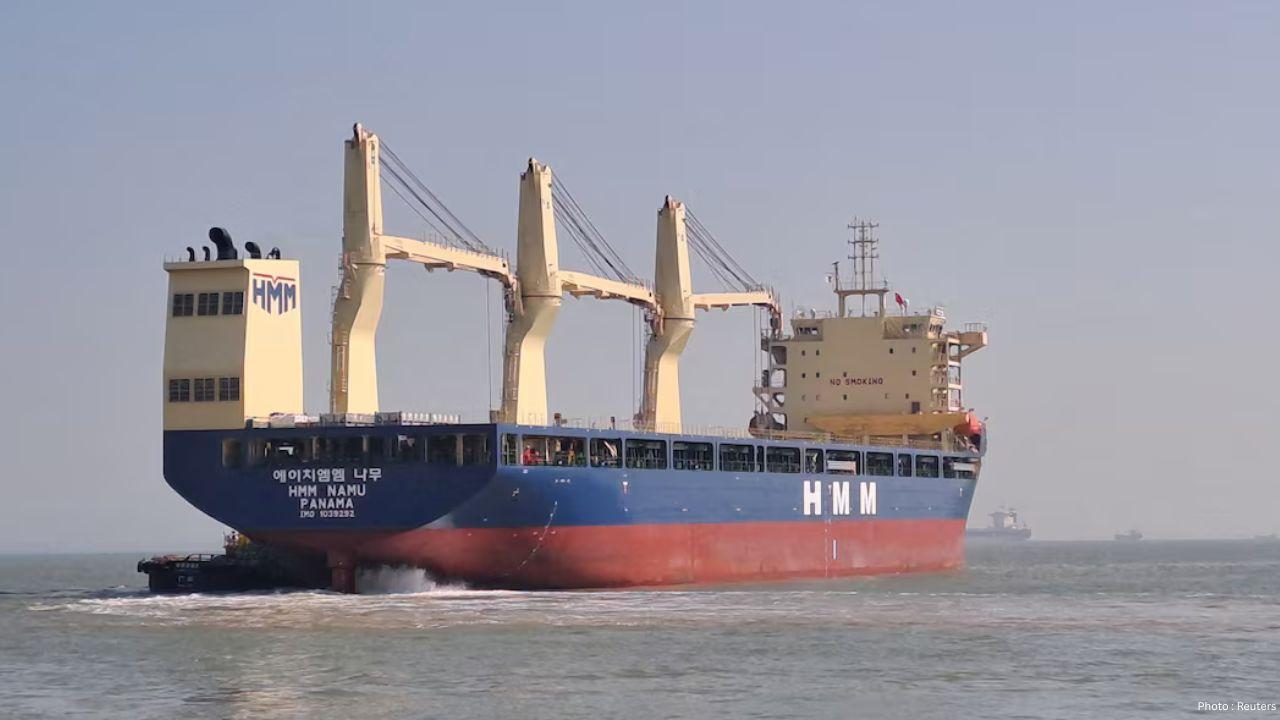
The Strait of Hormuz is one of the world’s most important shipping routes because a large share of global oil and gas supplies passes through the narrow waterway every day. Any instability or military conflict in the area can directly affect energy prices and global trade.
In recent years, the region has witnessed repeated tensions involving Iran, the United States, and other Middle Eastern countries. Attacks on commercial ships, drone incidents, and military confrontations have raised concerns about the safety of international shipping routes.
South Korea already operates a naval anti-piracy unit known as the Cheonghae Unit in nearby waters. The mission originally focused on protecting South Korean commercial vessels and fighting piracy near the Gulf of Aden. However, growing instability in the Gulf region has increased pressure for broader security cooperation.
The latest discussions with the United States reportedly focused on strengthening coordination between allies in protecting maritime trade routes and responding to possible regional threats. Washington has long encouraged allied countries to play a larger role in maintaining security in key international waterways.
South Korea’s possible expanded involvement reflects the country’s strong dependence on Middle Eastern energy imports. Much of South Korea’s oil supply travels through the Strait of Hormuz, making stability in the region extremely important for its economy and energy security.
At the same time, Seoul appears cautious about balancing its relations with different countries in the Middle East. South Korea maintains important economic ties with Gulf nations while also trying to avoid becoming directly involved in regional political conflicts.
The government’s reported “phased approach” suggests officials want to move carefully while monitoring regional reactions and domestic public opinion. Expanding military operations abroad can become politically sensitive, especially when conflicts in the Middle East remain unpredictable.
Experts believe South Korea’s decision also reflects broader changes in global security cooperation. As international tensions grow in different regions, countries are increasingly being asked to contribute more actively to global maritime and defense operations.
The issue also highlights how events in the Middle East affect countries far beyond the region itself. Oil prices, shipping routes, energy supplies, and international trade all depend heavily on stability around the Strait of Hormuz.
For South Korea, protecting maritime trade is not only a military matter but also an economic necessity. Any major disruption in energy supplies could affect industries, transportation, and ordinary consumers at home.
While no final decision has been announced, the discussions show that global concerns about Gulf security continue to grow. As tensions remain high in the region, countries dependent on international trade and energy imports are paying closer attention to developments around one of the world’s most important waterways.
#trending #latest #SouthKorea #HormuzStrait #MiddleEast #GlobalSecurity #MaritimeSecurity #USSouthKorea #DefenseNews #OilTrade #EnergySecurity #GulfRegion #InternationalRelations #WorldNews #NavalMission #Geopolitics #ShippingRoutes




Advances in Aerospace Technology and Commercial Aviation Recovery
Insights into breakthrough aerospace technologies and commercial aviation’s recovery amid 2025 chall

Defense Modernization and Strategic Spending Trends
Explore key trends in global defense modernization and strategic military spending shaping 2025 secu

Tens of Thousands Protest in Serbia on Anniversary of Deadly Roof Collapse
Tens of thousands in Novi Sad mark a year since a deadly station roof collapse that killed 16, prote

Canada PM Carney Apologizes to Trump Over Controversial Reagan Anti-Tariff Ad
Canadian PM Mark Carney apologized to President Trump over an Ontario anti-tariff ad quoting Reagan,

The ad that stirred a hornets nest, and made Canadian PM Carney say sorry to Trump
Canadian PM Mark Carney apologizes to US President Trump after a tariff-related ad causes diplomatic

Bengaluru-Mumbai Superfast Train Approved After 30-Year Wait
Railways approves new superfast train connecting Bengaluru and Mumbai, ending a 30-year demand, easi



