Post by : Saif
China’s independent oil refiners are reducing fuel production as financial losses continue growing due to weak demand, rising costs, and pressure in global energy markets. The situation is creating new concerns for the world’s second-largest economy and could also affect global oil trade in the coming months.
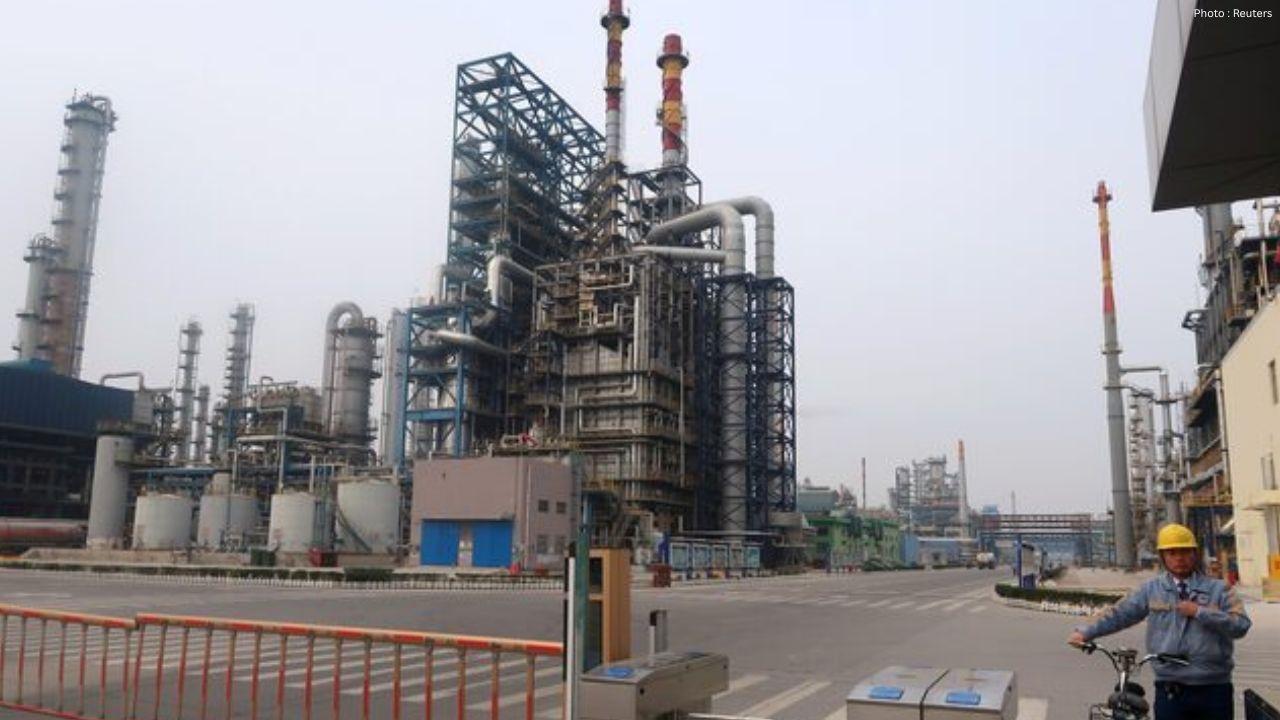
According to industry sources, several independent Chinese refineries, often called “teapot refiners,” have lowered their operating rates during May after profits dropped sharply. These smaller refineries are mainly based in Shandong province, which is known as the center of China’s independent refining industry. (reuters.com
)
The refiners are facing multiple problems at the same time. Crude oil prices have remained high because of tensions in the Middle East and worries over global supply disruptions. At the same time, fuel demand inside China has stayed weaker than expected, especially in industries connected to manufacturing and transport.
Industry experts say many refineries are now losing money on every barrel of fuel they process. Because of this, companies are reducing production to avoid even larger financial losses. Some refineries have also delayed maintenance work and slowed purchases of imported crude oil.
The problem reflects wider economic pressure inside China. Although the country reopened its economy fully after previous slowdowns, growth in some sectors remains weaker than expected. Property market problems, lower industrial activity, and cautious consumer spending have all affected fuel demand across the country.
Diesel demand has been especially weak because China construction and manufacturing industries are not growing as quickly as before. Gasoline demand has also slowed after earlier recovery periods. As a result, fuel storage levels have increased while refinery profits have continued falling.
China plays a major role in global energy markets because it is one of the world’s largest importers of crude oil. Any major change in Chinese refinery activity can affect international oil prices, shipping demand, and fuel exports across Asia.
The current situation is also linked to global geopolitical tensions. Rising conflict risks involving Iran and instability around the Strait of Hormuz have kept oil markets nervous for months. Higher crude prices increase costs for refiners that already face weak customer demand.
Independent Chinese refiners are more vulnerable than large state-owned companies because they have smaller financial reserves and less government support. Many rely heavily on imported crude oil and operate with thinner profit margins. This makes them more sensitive to sudden changes in oil prices and market demand.
Some analysts believe the production cuts could temporarily reduce China’s overall crude oil imports in the coming months. However, others say the slowdown may only be temporary if the Chinese economy improves later this year.
The refining industry is an important part of China’s economy because it supports transportation, manufacturing, exports, and industrial production. A weak refining sector may therefore signal broader economic challenges that policymakers in Beijing are closely monitoring.
The situation also highlights how connected global energy markets have become. Problems in one region, such as Middle East tensions, can quickly affect industries and economies thousands of miles away.
For global markets, China’s refinery slowdown could have mixed effects. Lower Chinese fuel demand may reduce some pressure on oil prices, but continued instability in the Middle East could still keep energy costs high worldwide.
As losses continue mounting, Chinese refiners are expected to remain cautious in the weeks ahead. The future direction of oil prices, domestic demand, and global political tensions will likely decide whether the industry can recover or face deeper financial pressure later this year.
#trending #latest #China #OilMarket #EnergyNews #Refineries #CrudeOil #ChinaEconomy #GlobalEconomy #OilPrices #EnergyCrisis #BusinessNews








Advances in Aerospace Technology and Commercial Aviation Recovery
Insights into breakthrough aerospace technologies and commercial aviation’s recovery amid 2025 chall

Defense Modernization and Strategic Spending Trends
Explore key trends in global defense modernization and strategic military spending shaping 2025 secu

Tens of Thousands Protest in Serbia on Anniversary of Deadly Roof Collapse
Tens of thousands in Novi Sad mark a year since a deadly station roof collapse that killed 16, prote

Canada PM Carney Apologizes to Trump Over Controversial Reagan Anti-Tariff Ad
Canadian PM Mark Carney apologized to President Trump over an Ontario anti-tariff ad quoting Reagan,

The ad that stirred a hornets nest, and made Canadian PM Carney say sorry to Trump
Canadian PM Mark Carney apologizes to US President Trump after a tariff-related ad causes diplomatic

Bengaluru-Mumbai Superfast Train Approved After 30-Year Wait
Railways approves new superfast train connecting Bengaluru and Mumbai, ending a 30-year demand, easi



