Post by : Avinab Raana
Photo : X / @cricket_fundas
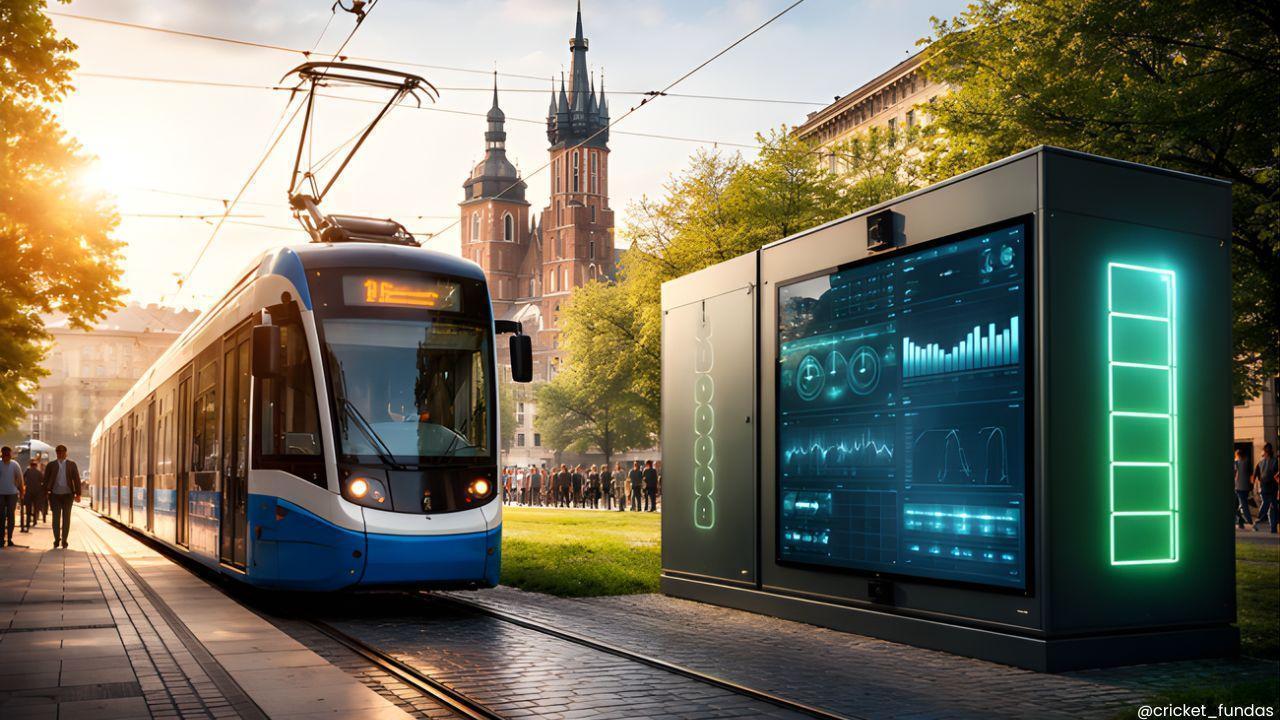
In a powerful step toward redefining the future of urban rail systems, a new railway energy management system (EMS) proof of concept has been launched for tram networks, marking a significant leap in how cities manage power consumption in public transport. At a time when global transit systems are under increasing pressure to become more energy-efficient and environmentally sustainable, this initiative signals a shift from traditional infrastructure to intelligent, data-driven operations. The project, led by Mitsubishi Electric, aims to transform tram networks into smart energy ecosystems where every unit of electricity is tracked, optimized, and reused. This is not just a technological upgrade; it is a strategic rethinking of how rail systems operate in energy-constrained, sustainability-focused urban environments.
At the core of this innovation lies a simple yet transformative concept capturing and reusing energy generated during tram braking. Traditionally, this regenerative energy is often wasted, dissipating into the system without being effectively utilized. The new EMS solution changes that equation by integrating advanced data analytics with energy storage systems, allowing excess power generated during braking to be captured and redistributed across the network.
This capability introduces a circular energy model within tram systems, where energy is no longer a one-way consumption process but a reusable resource. By doing so, operators can significantly reduce electricity demand, cut operational costs, and improve overall system efficiency creating a more sustainable and economically viable transport network.
What sets this project apart is its integration of digital platforms with physical rail infrastructure. The EMS uses advanced analytics to monitor power consumption across the tram network, identify inefficiencies, and determine optimal points for deploying energy storage systems.
This data-driven approach allows operators to make real-time decisions, stabilize voltage levels across overhead power lines, and ensure consistent energy supply to moving trams. In an era where smart cities are becoming the benchmark for urban development, such intelligent rail systems represent a crucial building block for integrated, technology-enabled mobility ecosystems.
The timing of this initiative is critical. With rising energy costs and increasing pressure to reduce carbon emissions, transport operators worldwide are actively seeking solutions that balance performance with sustainability. Railway energy management systems have emerged as a key answer to this challenge, offering a pathway to reduce power consumption while maintaining operational efficiency.
For tram networks often operating in dense urban environments, this becomes even more important. Efficient energy use not only lowers operational expenses but also contributes to cleaner cities by reducing the carbon footprint of public transportation systems. This project positions tram networks as leaders in the transition toward green mobility.
While the current initiative is a proof of concept, its implications extend far beyond a single tram network. If successful, this model could be replicated across metro systems, suburban rail networks, and even high-speed corridors worldwide. The ability to optimize energy usage at scale could redefine how rail operators plan infrastructure investments and manage long-term operational costs.
Moreover, as countries push toward net-zero targets, such innovations will play a critical role in aligning transportation systems with broader environmental goals. The integration of energy storage, real-time analytics, and smart infrastructure could soon become standard practice across modern rail networks.
This railway energy management system trial marks more than just a technological experiment, it represents a decisive step toward the future of intelligent and sustainable transportation. By turning wasted energy into a valuable resource and combining it with cutting-edge digital tools, the project sets a new benchmark for efficiency in urban rail systems. As cities continue to grow and energy demands rise, such innovations will determine how effectively transport networks can adapt to the challenges ahead. In many ways, this initiative is not just about powering trams. It is about powering the next generation of smart, resilient, and environmentally responsible mobility.
#trending #latestRailEnergyManagement #SmartRailways #TramNetworks #SustainableTransport









Advances in Aerospace Technology and Commercial Aviation Recovery
Insights into breakthrough aerospace technologies and commercial aviation’s recovery amid 2025 chall

Defense Modernization and Strategic Spending Trends
Explore key trends in global defense modernization and strategic military spending shaping 2025 secu

Tens of Thousands Protest in Serbia on Anniversary of Deadly Roof Collapse
Tens of thousands in Novi Sad mark a year since a deadly station roof collapse that killed 16, prote

Canada PM Carney Apologizes to Trump Over Controversial Reagan Anti-Tariff Ad
Canadian PM Mark Carney apologized to President Trump over an Ontario anti-tariff ad quoting Reagan,

The ad that stirred a hornets nest, and made Canadian PM Carney say sorry to Trump
Canadian PM Mark Carney apologizes to US President Trump after a tariff-related ad causes diplomatic

Bengaluru-Mumbai Superfast Train Approved After 30-Year Wait
Railways approves new superfast train connecting Bengaluru and Mumbai, ending a 30-year demand, easi



