Post by : Avinab Raana
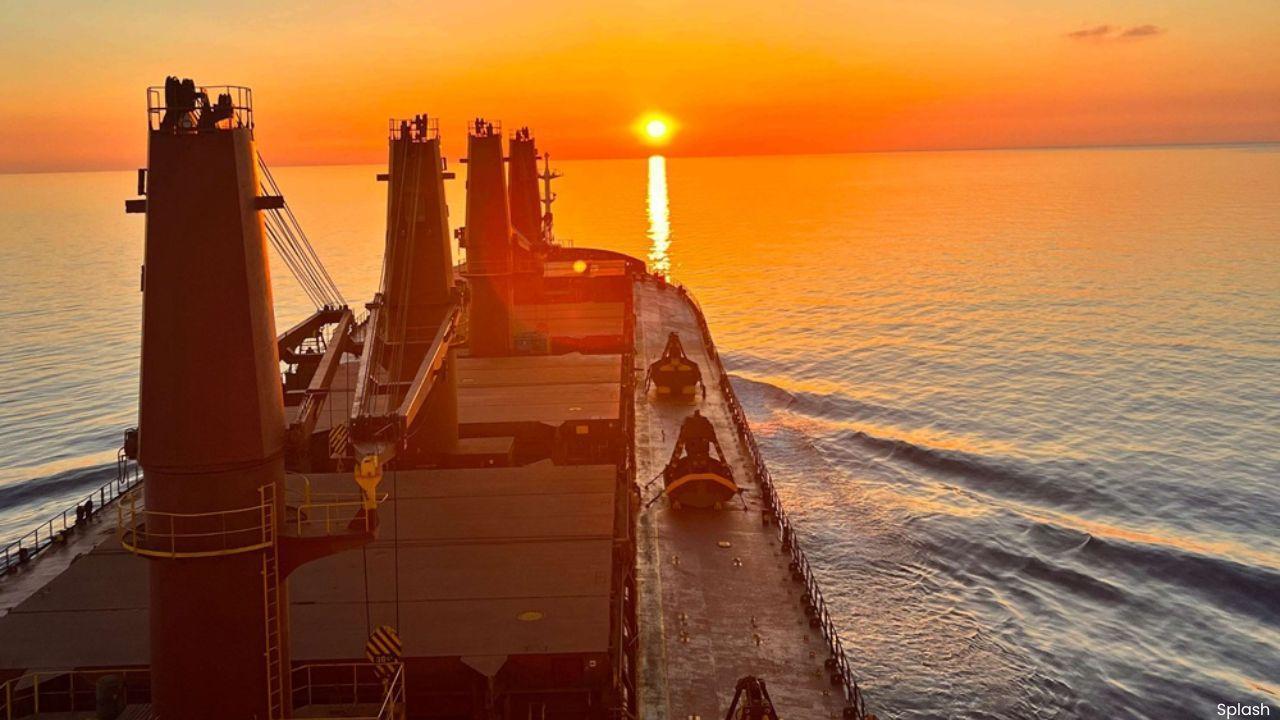
Photo : X / Splash
A growing geopolitical standoff around one of the world’s most critical maritime chokepoints is now sending shockwaves far beyond shipping lanes reshaping fertiliser trade and altering the very economics of global agriculture. What began as a regional disruption has evolved into a systemic supply chain challenge, with fertiliser flows being rerouted, delayed, or priced significantly higher. This shift is not just a maritime issue; it is a direct threat to food production cycles, crop yields, and ultimately global food security. As fertiliser remains a foundational input for modern agriculture, any disruption in its movement creates a cascading effect that stretches from ports to farms, from trade desks to supermarket shelves. The unfolding situation highlights how deeply interconnected shipping routes and agricultural stability have become in today’s global economy.
The ongoing tension in the strait has severely impacted the movement of fertiliser cargoes, particularly those originating from key production hubs in the Middle East. With shipping risks escalating and routes becoming uncertain, traders and shipping companies are being forced to reroute vessels, extend transit times, and absorb higher insurance and freight costs. These disruptions are not isolated incidents but part of a broader breakdown in logistics efficiency. Fertiliser shipments, which rely heavily on predictable schedules and cost stability, are now facing volatility that makes planning increasingly difficult for import-dependent nations. As supply tightens and delivery timelines stretch, the ripple effects are being felt across global agricultural markets.
Perhaps the most significant consequence of this disruption is its impact on crop economics. Fertiliser prices are closely tied to shipping costs and supply availability, meaning any increase in transportation risk directly translates into higher input costs for farmers. As fertiliser becomes more expensive or harder to access, farmers are forced to make difficult decisions either reduce usage or absorb higher costs, both of which can impact crop yields and profitability.This shift is particularly concerning for developing economies, where agriculture remains a critical sector and margins are already under pressure. Reduced fertiliser application can lead to lower productivity, while higher costs can drive up food prices, contributing to inflation and economic instability.
The situation also underscores a broader vulnerability within global trade systems: the heavy reliance on key maritime chokepoints. When disruptions occur in these regions, the effects are immediate and far-reaching, impacting not just energy shipments but also essential commodities like fertilisers. Shipping operators are now navigating a complex environment of increased risk, higher insurance premiums, and logistical uncertainty. This has led to a tightening of available vessel capacity and a rise in freight rates for affected routes. In such conditions, even minor disruptions can escalate into major supply chain challenges, exposing the fragility of interconnected global trade networks.
The consequences of disrupted fertiliser trade extend well beyond the shipping industry, influencing the entire food supply chain. From reduced crop yields to higher production costs, the impact is likely to be felt in global food markets in the coming months. Countries that rely heavily on imported fertilisers are particularly vulnerable, as delays and price increases can directly affect agricultural output. This creates a feedback loop where supply shortages lead to higher prices, which in turn affect consumption patterns and economic stability. The situation highlights the critical role that maritime logistics plays in maintaining food security worldwide.
The ongoing strait standoff is more than just a geopolitical flashpoint, It is a defining moment that reveals the deep interdependence between shipping, trade, and agriculture. As fertiliser supply chains adjust to new realities, the global economy is being forced to confront the vulnerabilities that lie beneath its complex logistics networks.
In the months ahead, the ability of governments, shipping companies, and agricultural stakeholders to adapt will determine how effectively this crisis is managed. Whether through diversifying supply routes, increasing domestic production, or enhancing logistical resilience, the lessons from this disruption are clear: in a world where trade flows underpin food security, stability at sea is no longer just an economic concern, it is a global necessity.
#trending #latest#FertiliserTrade #GlobalShipping #FoodSecurity #SupplyChainCrisis






Advances in Aerospace Technology and Commercial Aviation Recovery
Insights into breakthrough aerospace technologies and commercial aviation’s recovery amid 2025 chall

Defense Modernization and Strategic Spending Trends
Explore key trends in global defense modernization and strategic military spending shaping 2025 secu

Tens of Thousands Protest in Serbia on Anniversary of Deadly Roof Collapse
Tens of thousands in Novi Sad mark a year since a deadly station roof collapse that killed 16, prote

Canada PM Carney Apologizes to Trump Over Controversial Reagan Anti-Tariff Ad
Canadian PM Mark Carney apologized to President Trump over an Ontario anti-tariff ad quoting Reagan,

The ad that stirred a hornets nest, and made Canadian PM Carney say sorry to Trump
Canadian PM Mark Carney apologizes to US President Trump after a tariff-related ad causes diplomatic

Bengaluru-Mumbai Superfast Train Approved After 30-Year Wait
Railways approves new superfast train connecting Bengaluru and Mumbai, ending a 30-year demand, easi



