Post by : Avinab Raana
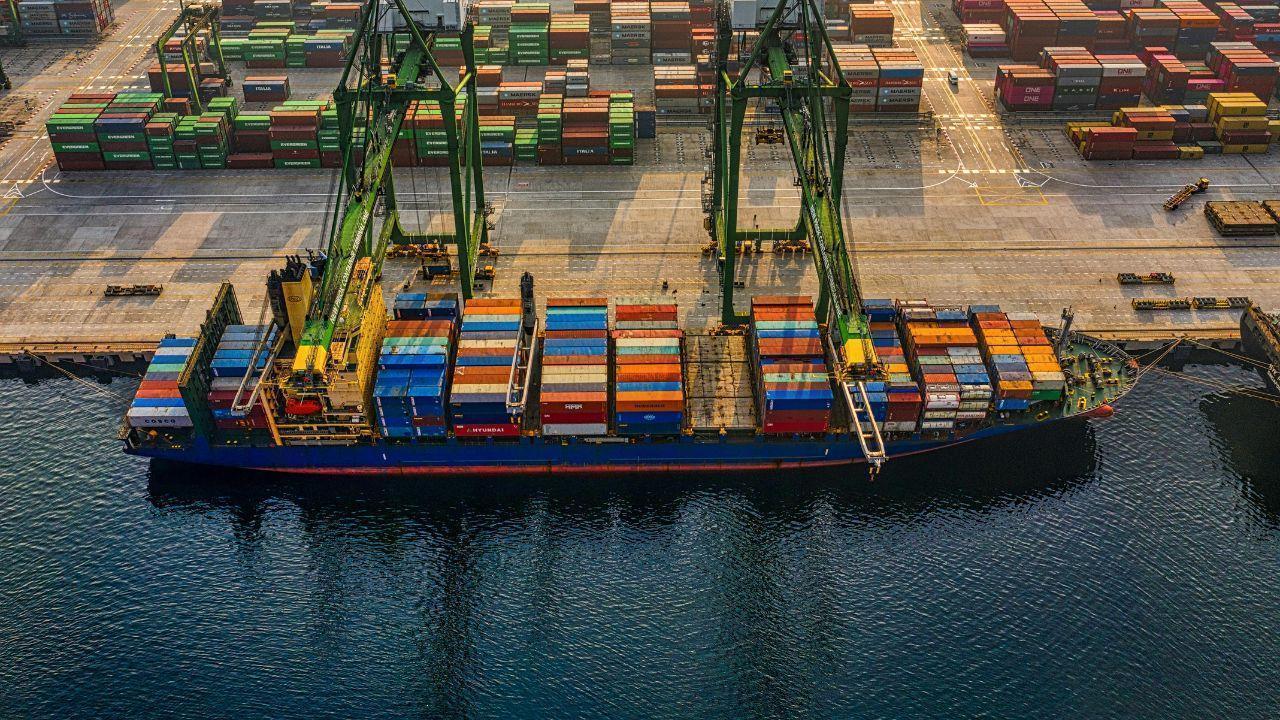
India’s manufacturing sector is facing a growing shock as shipping route disruption across key global maritime corridors begins to impact industrial supply chains. Escalating geopolitical tensions in West Asia and rising security risks along major trade lanes have created severe delays in maritime cargo movement, forcing Indian manufacturers to rethink their logistics strategies and production planning.
Factories across sectors ranging from automobiles to electronics are closely monitoring the situation as disruptions to shipping networks threaten to slow the movement of raw materials, components, and finished goods. For an economy deeply integrated with global supply chains, the ripple effects are being felt across multiple industrial segments.
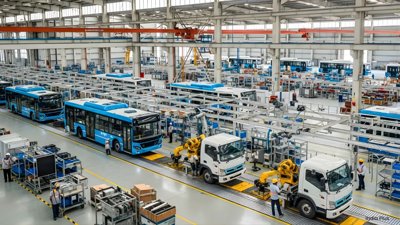
Automobile manufacturers and component suppliers are among the first industries to raise concerns about the developing logistics crisis. Many automakers have begun mapping their exposure to imports and materials routed through Gulf ports and other sensitive maritime corridors.
Companies are reviewing supply flows for key inputs such as aluminum alloys, copper, petrochemical derivatives, PVC resins, lubricants, adhesives, and electronic components. These materials are essential for automotive production, and any disruption in their delivery could slow factory output or delay vehicle launches. Industry insiders say some large manufacturers have already created internal crisis management teams to track shipments and coordinate responses with suppliers.
The disruption is also hitting exporters of consumer goods and electronics who rely heavily on maritime trade. Delays in cargo movement and increased freight charges are forcing exporters to halt shipments temporarily or renegotiate contracts with overseas buyers.
Shipping companies have begun imposing additional charges such as war-risk premiums and emergency surcharges to offset the growing risks in volatile maritime regions. As a result, export shipping delays and rising freight costs are squeezing margins for manufacturers already dealing with fluctuating global demand. For smaller exporters, these additional logistics costs could significantly affect profitability and competitiveness in international markets.
Much of the concern stems from uncertainty surrounding key maritime corridors that connect Asia, Europe, and the Middle East. These sea routes carry a large portion of global trade, including industrial components and energy supplies.
Any blockage, delay, or rerouting in these corridors creates a maritime trade disruption that can ripple through global manufacturing networks. Ships may be forced to take longer routes, increasing transit times and raising operational costs for logistics providers. For Indian companies dependent on just-in-time supply chains, even minor shipping delays can disrupt factory schedules and inventory planning.
As the pressure builds, industry groups are urging the government to step in with support measures. Manufacturers are calling for improved fuel supply security, logistics assistance, and closer coordination with shipping and port authorities.
Some industry associations have also recommended strengthening domestic supply chains to reduce dependence on vulnerable international shipping routes. The idea is to diversify sourcing strategies and create buffer inventories to protect factories from sudden supply chain risk.
For now, most companies are adopting a cautious wait-and-watch approach while monitoring the evolving geopolitical situation and maritime traffic conditions. However, the current disruptions have already exposed how vulnerable industrial supply networks can be to global shipping shocks.
As international trade continues to rely heavily on maritime transport, disruptions to global supply chains could remain a recurring challenge for manufacturers worldwide.
If shipping congestion and security risks persist, Indian industry may need to rethink long-term logistics strategies to safeguard production, exports, and supply stability in an increasingly unpredictable global trade environment.
#trending #latest,shipping route disruption, Indian manufacturers, global supply chains, logistics crisis, maritime trade disruption, export shipping delays, supply chain risk







Advances in Aerospace Technology and Commercial Aviation Recovery
Insights into breakthrough aerospace technologies and commercial aviation’s recovery amid 2025 chall

Defense Modernization and Strategic Spending Trends
Explore key trends in global defense modernization and strategic military spending shaping 2025 secu

Tens of Thousands Protest in Serbia on Anniversary of Deadly Roof Collapse
Tens of thousands in Novi Sad mark a year since a deadly station roof collapse that killed 16, prote

Canada PM Carney Apologizes to Trump Over Controversial Reagan Anti-Tariff Ad
Canadian PM Mark Carney apologized to President Trump over an Ontario anti-tariff ad quoting Reagan,

The ad that stirred a hornets nest, and made Canadian PM Carney say sorry to Trump
Canadian PM Mark Carney apologizes to US President Trump after a tariff-related ad causes diplomatic

Bengaluru-Mumbai Superfast Train Approved After 30-Year Wait
Railways approves new superfast train connecting Bengaluru and Mumbai, ending a 30-year demand, easi



