Post by : Saif
German luxury carmaker BMW has reported weaker-than-expected results in the fourth quarter after profit margins in its core automotive division fell below analysts’ forecasts. The disappointing performance highlights the growing challenges facing global car manufacturers, including rising tariffs, trade barriers, and slowing demand in key markets.
According to company data, BMW’s operating profit margin in its main automotive business dropped to 3.7% in the fourth quarter, falling short of the 4% margin analysts had expected.
Profit margins are a key measure of how efficiently a company turns sales into profit. When margins fall below expectations, it often signals higher costs, weaker demand, or pricing pressure in the market.
The latest results suggest that BMW, like many other global carmakers, is navigating a difficult economic environment. Rising trade barriers and geopolitical tensions are reshaping the global automotive industry, making it harder for companies to maintain strong profitability.
BMW’s overall financial performance also showed signs of pressure. The company reported that its group earnings before tax fell by 6.7% last year to 10.2 billion euros, and it expects profits to decline further in the coming year.
Company leaders said several factors contributed to the weaker results. One of the biggest issues is the growing number of tariffs affecting international car trade. Tariffs increase the cost of exporting vehicles between countries, which reduces profit margins for manufacturers.
BMW said these tariffs could reduce the margin of its automotive division by about 1.25 percentage points in 2026, with the company now expecting margins to remain in the 4% to 6% range, compared with 5.3% in 2025.
Trade tensions have been increasing between major economies, especially between the United States, Europe, and China. Because carmakers sell vehicles globally, changes in trade policy can quickly affect their financial results.
Another major challenge for BMW has been weaker demand in China, one of the company’s largest markets. In recent years, China has been a key source of growth for luxury car brands. However, competition has become much stronger as domestic Chinese automakers expand and offer new electric vehicle models.
Chinese companies have been investing heavily in electric cars and advanced technology, often selling vehicles at competitive prices. This has made it harder for traditional European brands to maintain their market share.
BMW’s vehicle deliveries are expected to stay roughly the same in 2026 compared with 2025, a sign that the company does not expect strong growth in the near term.
Despite these challenges, BMW still benefits from its global production network. The company operates one of its largest manufacturing plants in Spartanburg, South Carolina, in the United States. This facility produces many vehicles for both the American and international markets.
Having production facilities in multiple regions helps BMW reduce the impact of some tariffs. When vehicles are built locally, companies can avoid certain import taxes that apply to foreign-made cars.
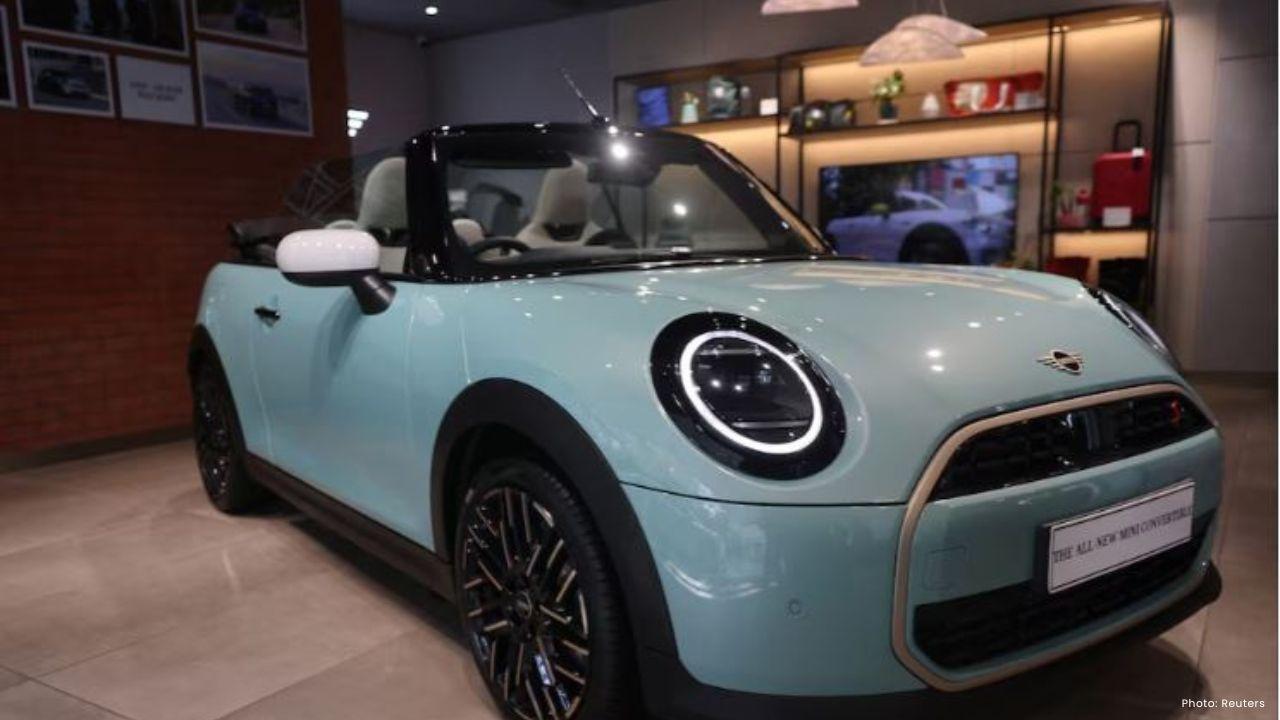
However, the company also faces tariffs in other areas. For example, some electric Mini vehicles produced in China may be affected by tariffs imposed by the European Union.
The automotive industry is currently undergoing one of its biggest transformations in decades. Car manufacturers are investing heavily in electric vehicles, digital technology, and autonomous driving systems. These investments require large amounts of money, which can put pressure on profit margins in the short term.
BMW is working on a new generation of electric vehicles known as the “Neue Klasse” platform. This next-generation design is expected to play a major role in the company’s future electric vehicle strategy.
The company hopes these new models will help strengthen its position in the global electric vehicle market, where competition is becoming increasingly intense.
Many other carmakers are facing similar financial pressures. Rising raw material costs, changing government regulations, and the shift toward electric vehicles are forcing companies to rethink their strategies.
In addition, the global car market has become more uncertain due to economic slowdowns in some regions and geopolitical conflicts that affect supply chains and trade routes.
For investors, BMW’s latest results highlight the challenges that even well-established luxury car brands face in today’s market. The combination of tariffs, competition, and changing technology is reshaping the industry.
At the same time, the long-term outlook for the automotive sector still includes major opportunities. Electric vehicles, smart mobility services, and digital features are expected to transform how people travel in the future.
BMW’s leadership says the company will continue investing in innovation while carefully managing costs. The goal is to protect profitability while preparing for the next generation of vehicles and transportation technology.
The coming years will be important for the company as it tries to balance these challenges and opportunities. How well BMW adapts to the changing global automotive landscape may determine its position in the industry for the next decade.
#trending #latest #BMW #AutoIndustry #LuxuryCars #ElectricVehicles #GlobalTrade #CarIndustry #AutomotiveNews #EVMarket #BusinessNews #armustnews








Advances in Aerospace Technology and Commercial Aviation Recovery
Insights into breakthrough aerospace technologies and commercial aviation’s recovery amid 2025 chall

Defense Modernization and Strategic Spending Trends
Explore key trends in global defense modernization and strategic military spending shaping 2025 secu

Tens of Thousands Protest in Serbia on Anniversary of Deadly Roof Collapse
Tens of thousands in Novi Sad mark a year since a deadly station roof collapse that killed 16, prote

Canada PM Carney Apologizes to Trump Over Controversial Reagan Anti-Tariff Ad
Canadian PM Mark Carney apologized to President Trump over an Ontario anti-tariff ad quoting Reagan,

The ad that stirred a hornets nest, and made Canadian PM Carney say sorry to Trump
Canadian PM Mark Carney apologizes to US President Trump after a tariff-related ad causes diplomatic

Bengaluru-Mumbai Superfast Train Approved After 30-Year Wait
Railways approves new superfast train connecting Bengaluru and Mumbai, ending a 30-year demand, easi



