Post by : Avinab Raana
Photo : X / Reuters Iran
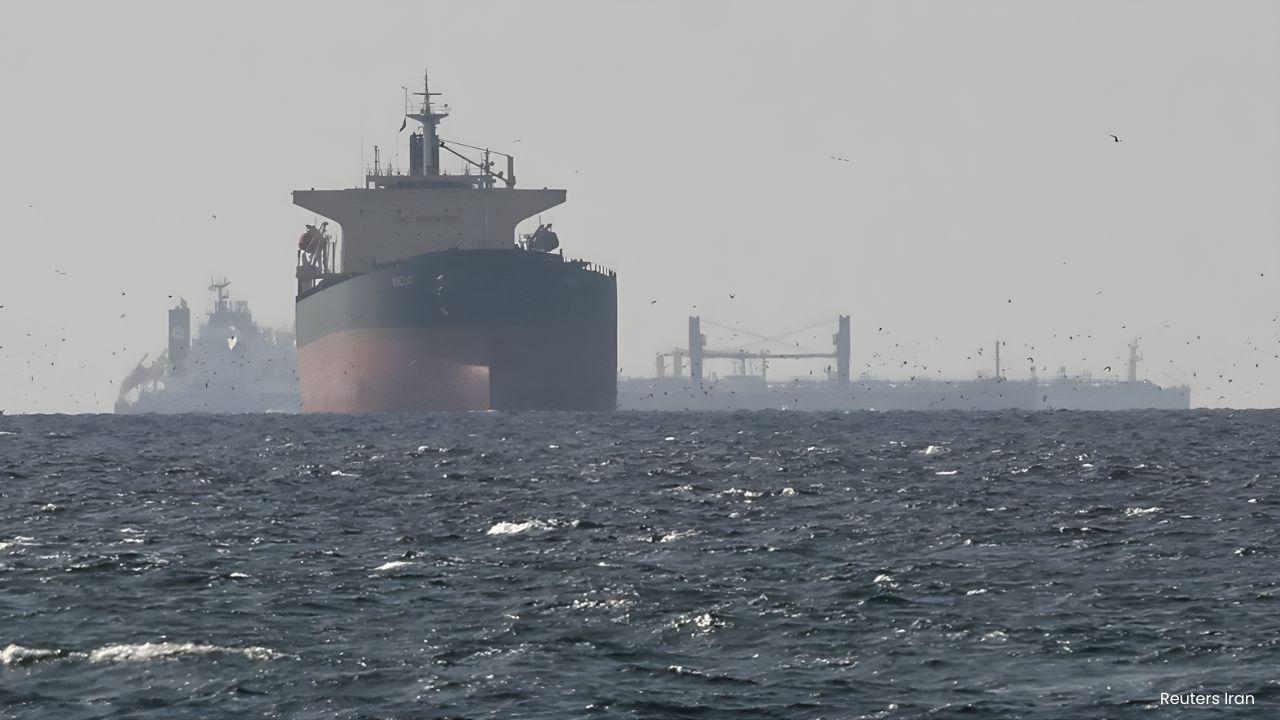
Tensions across one of the world’s most critical maritime corridors have intensified as Iran assured Indian oil tankerssafe passage through the Strait of Hormuz shipping route. The development comes shortly after a Thai-flagged cargo vessel reportedly came under attack in the same region, raising fresh concerns about maritime security and the safety of commercial shipping in the Gulf.
The Strait of Hormuz remains a vital gateway for global energy transportation. A significant share of the world’s crude oil shipments travels through this narrow sea corridor connecting the Persian Gulf with international waters. Any instability in the region quickly triggers concern across global shipping and energy markets.
Amid the rising tensions, Iran has communicated assurances allowing Indian oil tankers to safely transit through the strategic waterway. The move comes after diplomatic engagement between India and Iran aimed at ensuring uninterrupted movement of energy shipments that are critical for India’s growing economy.
India relies heavily on crude oil imports from Gulf nations, and most of these supplies pass through the Hormuz Strait. Ensuring Iran safe passage for Indian vessels helps maintain continuity in energy supply chains and reduces uncertainty for tanker operators navigating the region.
For shipping companies transporting petroleum cargo, such assurances are essential in maintaining confidence in maritime routes that connect Gulf energy producers with global markets.
Security concerns escalated after a Thai-flagged cargo vessel reportedly came under attack while sailing through the same corridor. The incident resulted in damage to the ship and forced emergency responses to stabilize the vessel and assist the crew.
While details of the attack remain under investigation, the event has highlighted the vulnerability of commercial vessels operating in sensitive maritime regions. For shipping companies, even isolated incidents can lead to heightened caution, insurance premiums, and operational changes across shipping networks. The incident has also intensified discussions around Hormuz maritime security, with international shipping operators closely monitoring developments.
The importance of the Strait of Hormuz shipping corridor cannot be overstated. Nearly one-fifth of the world’s oil supply moves through this narrow passage, making it one of the most strategically important maritime routes in the global economy.
Tankers carrying crude oil and petroleum products pass through the strait daily, linking major energy exporters in the Middle East with markets across Asia, Europe, and North America. Because of its central role in global oil trade routes, any disruption can quickly affect energy prices and shipping logistics worldwide.
Even minor security incidents can prompt shipping companies to reassess routes, adjust schedules, or implement additional safety measures for vessels passing through the region.
Following the attack on the Thai vessel, shipping companies and maritime authorities are closely monitoring the situation in the Gulf region. Tanker operators transporting crude oil and petroleum products are particularly cautious because of the high value and strategic importance of their cargo.
The assurance of safe transit for Indian oil tankers offers some stability for shipping operations connected to India’s energy imports. However, the broader West Asia maritime crisis continues to create uncertainty for global shipping companies operating in the region. Maritime security measures and diplomatic engagement are likely to remain critical in ensuring the safety of vessels navigating this heavily trafficked waterway.
The developments once again highlight how geopolitical tensions can directly impact global maritime logistics. As one of the world’s most vital shipping corridors, the Hormuz Strait remains highly sensitive to regional developments.
For global shipping networks and energy markets, maintaining safe tanker shipping routes through the strait is essential. Any prolonged disruption could ripple across global fuel supply chains and international trade systems.
As the situation continues to evolve, governments, shipping companies, and maritime authorities will remain focused on safeguarding Hormuz maritime security to ensure that one of the world’s most critical energy trade corridors remains operational.
#trending #latest, Strait of Hormuz shipping, Indian oil tankers, Iran safe passage, Hormuz maritime security, tanker shipping routes, global oil trade routes, West Asia maritime crisis








Advances in Aerospace Technology and Commercial Aviation Recovery
Insights into breakthrough aerospace technologies and commercial aviation’s recovery amid 2025 chall

Defense Modernization and Strategic Spending Trends
Explore key trends in global defense modernization and strategic military spending shaping 2025 secu

Tens of Thousands Protest in Serbia on Anniversary of Deadly Roof Collapse
Tens of thousands in Novi Sad mark a year since a deadly station roof collapse that killed 16, prote

Canada PM Carney Apologizes to Trump Over Controversial Reagan Anti-Tariff Ad
Canadian PM Mark Carney apologized to President Trump over an Ontario anti-tariff ad quoting Reagan,

The ad that stirred a hornets nest, and made Canadian PM Carney say sorry to Trump
Canadian PM Mark Carney apologizes to US President Trump after a tariff-related ad causes diplomatic

Bengaluru-Mumbai Superfast Train Approved After 30-Year Wait
Railways approves new superfast train connecting Bengaluru and Mumbai, ending a 30-year demand, easi



