Post by : Avinab Raana
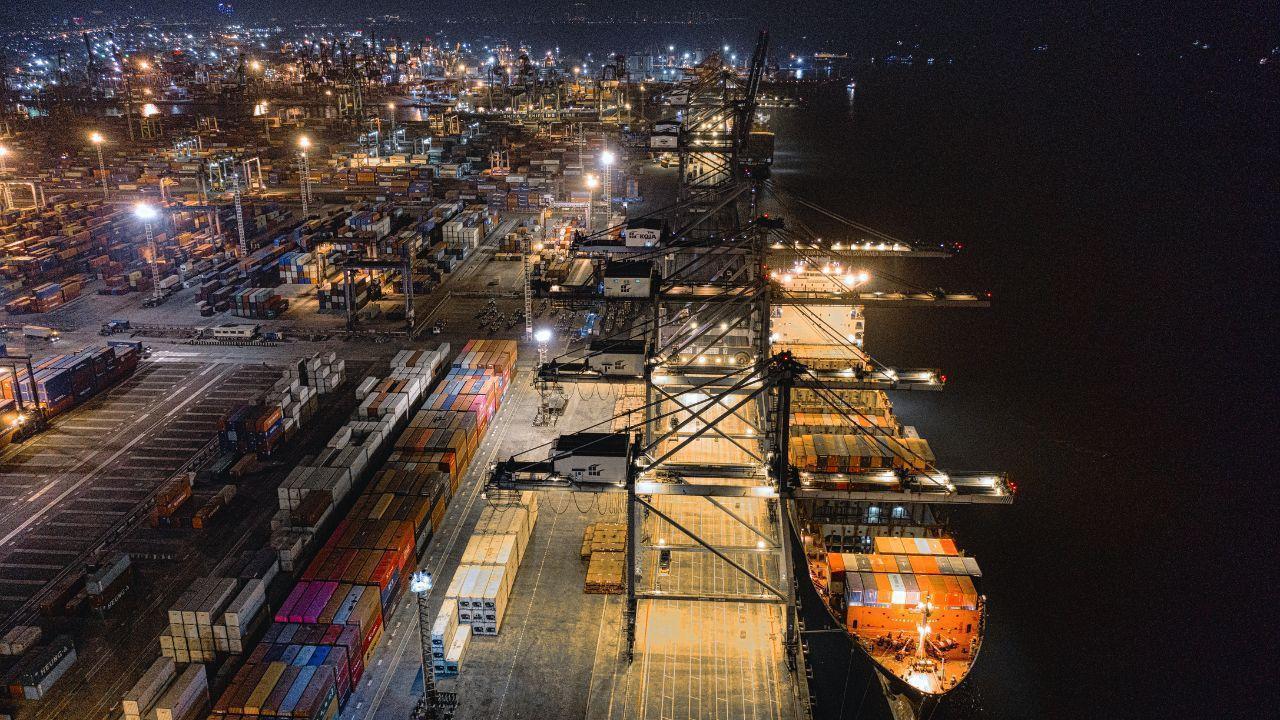
India’s maritime trade is facing a fresh disruption as Iran export cargo worth nearly ₹345 crore remains stranded at major Indian ports. The consignments, originally scheduled to be shipped to Iran, have been unable to depart due to disruptions in maritime routes linked to the ongoing West Asia shipping crisis.
The situation has created uncertainty for exporters who rely heavily on stable sea routes to move goods to the Middle East. With shipping schedules disrupted and vessels avoiding sensitive routes, cargo movement has slowed significantly, leaving large volumes of export shipments waiting at port terminals.
Most of the stranded shipments are currently lying at Kandla and Mundra ports, two of India’s major gateways for maritime trade with the Middle East. The cargo includes essential export commodities such as rice, tea, and pharmaceutical products items that form a significant portion of India Iran trade.
Large quantities of these goods were prepared for export and moved to port storage areas before the shipping disruptions began. As vessels delayed or altered their routes, the cargo remained stuck at port facilities, creating logistical challenges for exporters and port operators alike. The longer the shipments remain idle, the greater the pressure on storage capacity and logistics planning.
The root of the issue lies in rising geopolitical tensions across the West Asian region. The instability has created safety concerns for commercial vessels navigating key maritime corridors, resulting in rerouted ships, delayed departures, and heightened insurance costs.
This broader maritime trade disruption is affecting multiple countries that rely on the region’s shipping lanes for international commerce. Shipping companies are increasingly cautious about operating in volatile zones, leading to schedule disruptions that ripple across global trade networks. For Indian exporters, the impact is particularly significant because Iran remains an important trading partner for agricultural and pharmaceutical exports.
For companies waiting to dispatch goods, the stranded cargo means delayed payments, increased storage costs, and uncertainty about delivery timelines. Exporters who signed contracts expecting smooth maritime transport now face potential financial strain as export shipment delays continue.
Many exporters are also concerned about the quality of goods sitting in storage for extended periods, especially agricultural commodities that require timely shipping. Prolonged delays can affect product value, contract commitments, and buyer relationships in international markets. Logistics companies and freight forwarders are working closely with port authorities to manage cargo movement and explore alternative shipping options.
Port authorities are also dealing with operational pressures as stranded cargo accumulates. Managing storage space, container movement, and cargo handling becomes increasingly complex when scheduled shipments fail to depart on time.
This port logistics disruption can create a ripple effect within the entire port ecosystem, affecting container availability, vessel scheduling, and cargo processing efficiency.
While ports are designed to handle high volumes of cargo, sudden disruptions in shipping schedules can strain operational systems and require careful coordination between shipping lines, logistics firms, and exporters.
The current situation highlights how geopolitical tensions can rapidly impact global shipping networks and international trade. As maritime routes become uncertain, exporters and logistics providers must quickly adapt to new conditions.
For India’s export sector, the stranded Iran export cargo is a reminder that global trade remains deeply connected to geopolitical stability and maritime security.
If shipping disruptions persist, exporters may need to explore alternative routes, adjust supply chains, or renegotiate delivery timelines. Until maritime traffic stabilizes, Indian ports and exporters will continue navigating the complex realities of a rapidly changing global trade environment.
#trending #latest,Iran export cargo, Indian ports cargo, West Asia shipping crisis, maritime trade disruption, export shipment delays, port logistics disruption, India Iran trade







Advances in Aerospace Technology and Commercial Aviation Recovery
Insights into breakthrough aerospace technologies and commercial aviation’s recovery amid 2025 chall

Defense Modernization and Strategic Spending Trends
Explore key trends in global defense modernization and strategic military spending shaping 2025 secu

Tens of Thousands Protest in Serbia on Anniversary of Deadly Roof Collapse
Tens of thousands in Novi Sad mark a year since a deadly station roof collapse that killed 16, prote

Canada PM Carney Apologizes to Trump Over Controversial Reagan Anti-Tariff Ad
Canadian PM Mark Carney apologized to President Trump over an Ontario anti-tariff ad quoting Reagan,

The ad that stirred a hornets nest, and made Canadian PM Carney say sorry to Trump
Canadian PM Mark Carney apologizes to US President Trump after a tariff-related ad causes diplomatic

Bengaluru-Mumbai Superfast Train Approved After 30-Year Wait
Railways approves new superfast train connecting Bengaluru and Mumbai, ending a 30-year demand, easi



