Post by : Saif
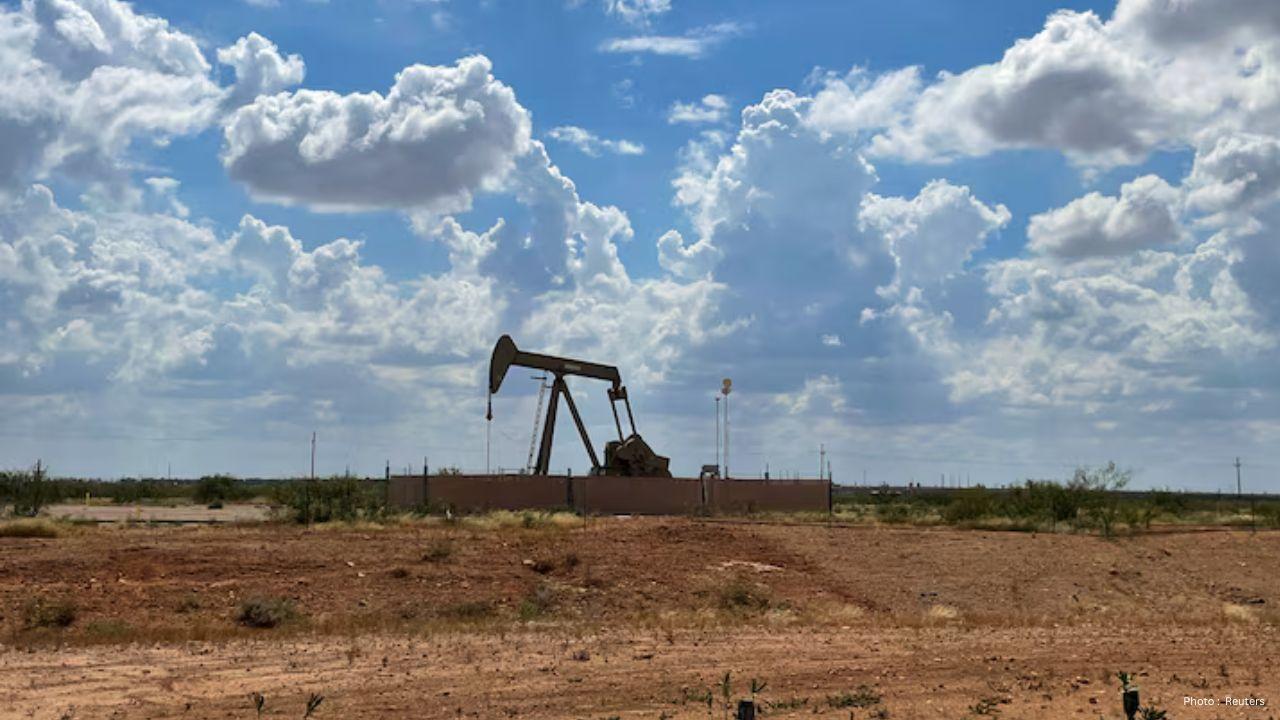
Global oil prices moved higher after a drone strike near the Barakah nuclear power facility in the United Arab Emirates increased fears of fresh instability in the Middle East. The incident has once again reminded markets how quickly regional tensions can affect global energy prices and economic confidence.
According to UAE officials, the attack caused a fire near the nuclear facility, but there were no reports of injuries or radiation leaks. Authorities quickly brought the situation under control and confirmed that operations at the plant continued safely. Even with limited damage, the incident created immediate concern in international energy markets.
The Middle East is one of the world’s most important oil-producing regions. Because of this, any military or political tension in the area often causes sharp reactions in global oil prices. Investors worry that rising conflict could affect oil production, shipping routes, or supply chains.
Following news of the drone strike, oil prices rose by more than one percent in international trading. Traders and investors reacted quickly because energy markets remain highly sensitive to security threats involving Gulf countries.
The Strait of Hormuz, located near the Gulf region, is especially important for global oil transport. A large amount of the world’s crude oil passes through this route every day. Any threat to regional stability can create fears of shipping disruptions and supply shortages.
Experts say oil markets often respond strongly even to small incidents in the Middle East because uncertainty itself can increase prices. Investors prefer to act cautiously when there is any risk of conflict expanding further.
The rise in oil prices may create additional pressure for countries that depend heavily on imported fuel. Nations such as India, Japan, and many European countries closely watch oil market movements because higher crude prices can increase inflation and transportation costs.
For ordinary people, expensive oil can eventually lead to higher fuel prices, increased travel expenses, and rising costs for daily goods. Transport companies and industries that depend on fuel may also face growing financial pressure.
The incident comes during a period of already high regional tension. Political disagreements and military threats involving several Middle Eastern countries have raised fears of wider instability in recent months.
Energy experts believe markets will continue watching developments closely over the coming days. Any further attacks or escalation could push oil prices even higher and increase uncertainty in financial markets.
The drone strike also highlights the growing use of drones in modern conflicts. These devices are increasingly being used to target strategic locations, including energy and industrial infrastructure. Governments across the region are now focusing more on strengthening air defense and protecting important facilities.
Despite the market reaction, some analysts believe oil prices may stabilize if tensions do not worsen further. However, uncertainty in the region continues to keep investors cautious.
The latest developments show how closely global economies remain connected to events in the Middle East. A single incident involving important infrastructure can quickly affect energy markets, businesses, and consumers around the world.
#trending #latest #OilPrices #UAE #MiddleEast #DroneAttack #GlobalEconomy #EnergyCrisis #CrudeOil #BreakingNews #WorldNews #OilMarket #Geopolitics #FuelPrices #EnergySecurity #GlobalMarkets #Barakah #UAEnews #Middleeast #EconomicNews #OilSupply #MarketUpdate






Advances in Aerospace Technology and Commercial Aviation Recovery
Insights into breakthrough aerospace technologies and commercial aviation’s recovery amid 2025 chall

Defense Modernization and Strategic Spending Trends
Explore key trends in global defense modernization and strategic military spending shaping 2025 secu

Tens of Thousands Protest in Serbia on Anniversary of Deadly Roof Collapse
Tens of thousands in Novi Sad mark a year since a deadly station roof collapse that killed 16, prote

Canada PM Carney Apologizes to Trump Over Controversial Reagan Anti-Tariff Ad
Canadian PM Mark Carney apologized to President Trump over an Ontario anti-tariff ad quoting Reagan,

The ad that stirred a hornets nest, and made Canadian PM Carney say sorry to Trump
Canadian PM Mark Carney apologizes to US President Trump after a tariff-related ad causes diplomatic

Bengaluru-Mumbai Superfast Train Approved After 30-Year Wait
Railways approves new superfast train connecting Bengaluru and Mumbai, ending a 30-year demand, easi



