Post by : Saif
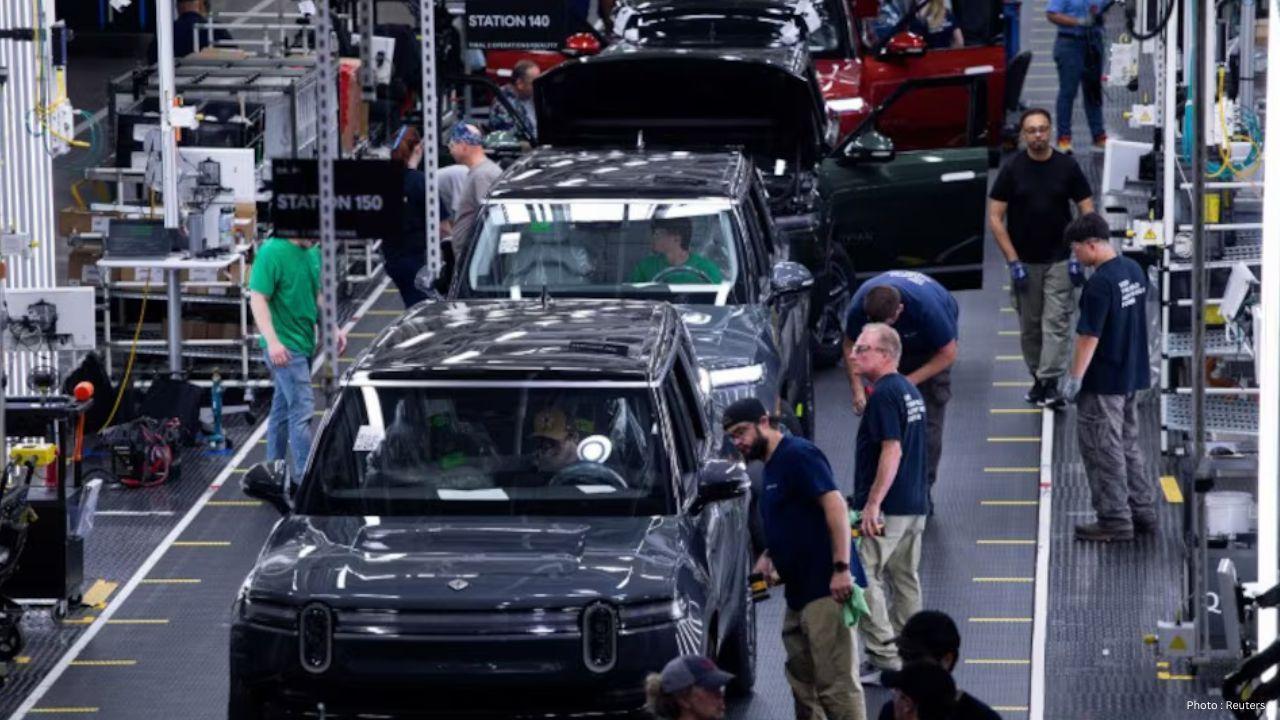
United States manufacturing sector showed strong improvement in April as factory output increased faster than expected, mainly because of higher automobile production. The latest growth has given positive signs for the American economy at a time when businesses are still dealing with inflation, global uncertainty, and trade pressures.
According to recent economic data, manufacturing output rose sharply during April after weaker performance earlier in the year. The automobile industry played the biggest role in this growth as car production increased following earlier supply problems and production delays. Higher demand for vehicles also helped factories increase their activity.
The improvement in manufacturing is important because factories remain a major part of the American economy. Millions of people depend on manufacturing jobs, especially in industries such as automobiles, machinery, steel, and electronics. When factories produce more goods, it often leads to more employment, higher business confidence, and stronger economic activity.
Auto companies have faced several challenges over the past few years, including supply chain disruptions, rising material costs, and shortages of electronic parts. Many factories struggled to maintain normal production during those difficult periods. However, recent signs show that conditions are slowly improving, allowing companies to increase output again.
The rise in manufacturing also comes during a time of uncertainty surrounding global trade policies and tariffs. Businesses remain concerned about the possible impact of higher import taxes and political tensions between major economies. Some economists believe these issues could slow manufacturing growth in the coming months if costs continue to rise.
Even with these concerns, the latest figures show that American factories are still finding ways to remain active and competitive. Increased demand for cars, industrial equipment, and technology products has helped support production across several sectors.
Experts say stronger manufacturing activity can also support other industries. Transportation companies, raw material suppliers, shipping businesses, and retail markets often benefit when factories increase production. This creates a wider economic effect that can help local communities and workers.
At the same time, some analysts warn that the growth may not continue at the same speed throughout the year. High interest rates, inflation pressures, and slower global demand could create new problems for manufacturers in the future. Companies are also watching labor costs and energy prices carefully.
For now, however, the April report has brought some positive news for the US economy. The increase in automobile production has shown that manufacturers are recovering from earlier disruptions and adapting to changing market conditions.
#trending #latest #USManufacturing #AutoIndustry #FactoryGrowth #USEconomy #CarProduction #BusinessNews #EconomicGrowth #Manufacturing #IndustryNews #GlobalMarkets #AutoSector #TradeNews #EconomyUpdate #MarketNews








Advances in Aerospace Technology and Commercial Aviation Recovery
Insights into breakthrough aerospace technologies and commercial aviation’s recovery amid 2025 chall

Defense Modernization and Strategic Spending Trends
Explore key trends in global defense modernization and strategic military spending shaping 2025 secu

Tens of Thousands Protest in Serbia on Anniversary of Deadly Roof Collapse
Tens of thousands in Novi Sad mark a year since a deadly station roof collapse that killed 16, prote

Canada PM Carney Apologizes to Trump Over Controversial Reagan Anti-Tariff Ad
Canadian PM Mark Carney apologized to President Trump over an Ontario anti-tariff ad quoting Reagan,

The ad that stirred a hornets nest, and made Canadian PM Carney say sorry to Trump
Canadian PM Mark Carney apologizes to US President Trump after a tariff-related ad causes diplomatic

Bengaluru-Mumbai Superfast Train Approved After 30-Year Wait
Railways approves new superfast train connecting Bengaluru and Mumbai, ending a 30-year demand, easi



