Post by : Saif
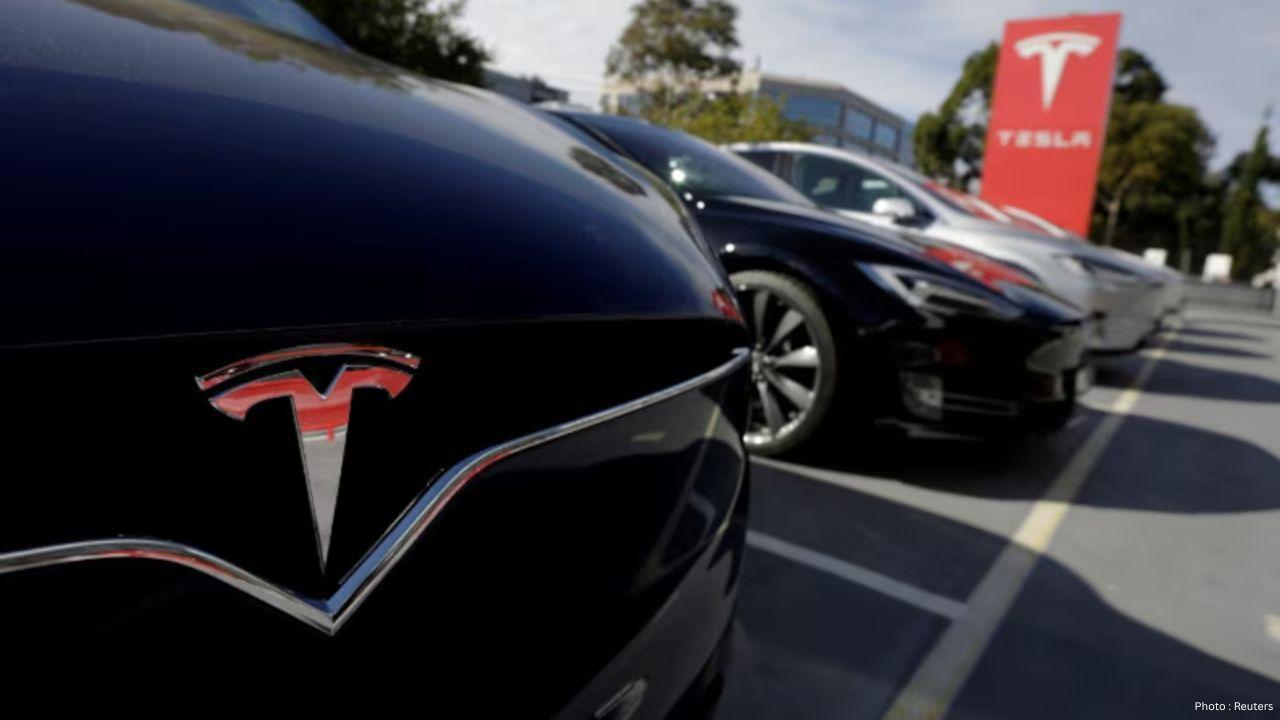
Australian federal court judge has strongly criticised Tesla for what he described as extremely slow progress in a major class action lawsuit. The judge said the company’s handling of document sharing in the case was “gobsmacking,” showing clear frustration over delays in the legal process.
The case involves around 10,000 Tesla drivers in Australia. They have accused the electric car company of misleading customers about key features of its vehicles. These include problems linked to sudden “phantom braking,” limited battery range, and claims related to self-driving technology.
During the court hearing, the judge questioned whether Tesla was properly cooperating with the legal process. He warned that the company could face serious consequences if it continued to delay or fail to provide required information.
At the centre of the issue is the “discovery” process, where both sides must share documents and evidence. Lawyers for the drivers said Tesla had only provided about 2,000 documents over eight months. They argued this was not enough to properly prepare expert analysis for the case.
The legal team representing the drivers said they needed technical information from Tesla, including engineering data, software details, and internal reports. Without this, they said, it was difficult to fully understand how the company’s systems worked and whether customers were misled.
Tesla, on the other hand, defended its position. The company said it had already reviewed a very large number of documents internally and was also concerned about protecting sensitive and confidential information. It argued that some materials could include private or technical data that must be handled carefully.
The judge, however, made it clear that he expected full cooperation. He said that companies involved in major lawsuits must take the discovery process seriously and provide proper documentation within the given deadlines.
The case itself focuses on serious claims from drivers. Many customers say they experienced unexpected braking while driving, which could create safety risks. Others argue that Tesla’s advertised driving range and autonomous features did not match real-world performance.
This lawsuit is important because it reflects growing legal challenges faced by companies that promote advanced technology. As electric and self-driving features become more common, courts are now being asked to decide how much responsibility companies have when systems do not perform as expected.
The judge has set deadlines for Tesla to complete document sharing. If the company fails to meet these requirements, the court may take stricter action in the future.
#trending #latest #Tesla #AustraliaNews #ClassAction #CourtCase #ElonMusk #ElectricVehicles #AutoIndustry #LegalNews #BreakingNews #TechNews #CarSafety #Middleeast


Advances in Aerospace Technology and Commercial Aviation Recovery
Insights into breakthrough aerospace technologies and commercial aviation’s recovery amid 2025 chall

Defense Modernization and Strategic Spending Trends
Explore key trends in global defense modernization and strategic military spending shaping 2025 secu

Tens of Thousands Protest in Serbia on Anniversary of Deadly Roof Collapse
Tens of thousands in Novi Sad mark a year since a deadly station roof collapse that killed 16, prote

Canada PM Carney Apologizes to Trump Over Controversial Reagan Anti-Tariff Ad
Canadian PM Mark Carney apologized to President Trump over an Ontario anti-tariff ad quoting Reagan,

The ad that stirred a hornets nest, and made Canadian PM Carney say sorry to Trump
Canadian PM Mark Carney apologizes to US President Trump after a tariff-related ad causes diplomatic

Bengaluru-Mumbai Superfast Train Approved After 30-Year Wait
Railways approves new superfast train connecting Bengaluru and Mumbai, ending a 30-year demand, easi



