Post by : Saif
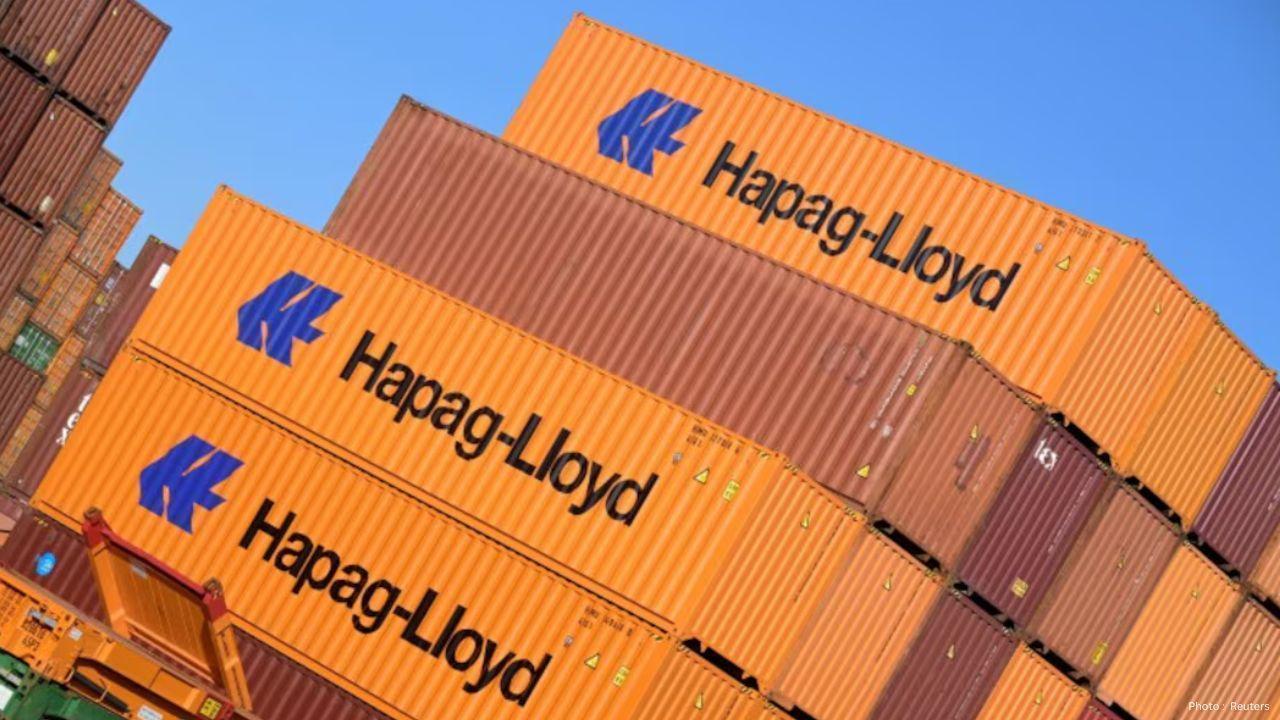
Cuba is facing fresh economic pressure after some of the world’s largest shipping companies decided to pause cargo bookings linked to the island. The move came after the United States introduced new rules targeting business activities connected to Cuba’s economy.
The decision has created concern across the region because Cuba depends heavily on imported goods such as food, fuel, medicine, and industrial supplies. Any disruption in shipping services can quickly affect daily life for millions of people living on the island.
Large international shipping companies announced they would temporarily stop accepting new cargo orders for Cuba while they review the impact of the latest U.S. restrictions. Businesses fear possible financial and legal risks if they continue operations without fully understanding the new regulations.
Although the action is mainly a business decision, its effects may be deeply felt by ordinary citizens. Cuba already faces serious economic challenges, including inflation, shortages of basic goods, electricity problems, and rising living costs. Reduced shipping activity could make these problems worse in the coming weeks and months.
For many Cuban families, imported goods are an important part of daily life. Grocery stores, fuel stations, hospitals, and factories all depend on regular supply deliveries from international markets. If cargo movement slows down, shortages could grow and prices may rise further.
The latest developments also show how strongly global trade can be influenced by political decisions. Even companies based outside the United States often change their business plans to avoid problems connected to American sanctions or financial systems.
The United States has maintained restrictions on Cuba for many decades. Supporters of these policies say economic pressure is needed to encourage political and economic reforms. Critics argue that sanctions mostly hurt common people instead of political leaders.
Cuba’s economy has struggled in recent years because of several problems happening at the same time. Tourism earnings have remained weak, fuel supplies have become less stable, and inflation has reduced the buying power of ordinary citizens. Power cuts and supply shortages have also increased public frustration.
In this difficult situation, shipping disruptions create additional uncertainty. International trade is extremely important for island nations like Cuba because most products must arrive by sea. When major shipping companies reduce services, it becomes harder for businesses to import goods smoothly and on time.
The situation may also affect foreign investors. International companies usually prefer stable business environments with clear rules and predictable trade systems. Increased restrictions and shipping uncertainty may cause some businesses to delay investment plans connected to Cuba.
Experts believe smaller shipping firms or regional operators may try to fill the gap left by larger companies. However, replacing major global shipping networks is not easy. Large carriers provide wide international connections, regular schedules, and access to major ports around the world.
The issue has also renewed debate about the effectiveness of economic sanctions. Some observers believe pressure can force governments to change policies. Others say long-term restrictions often create hardship for ordinary families while political disputes continue unchanged.
Across Cuba, many citizens are mainly concerned about practical issues such as food availability, fuel access, medicine supplies, and job security. People worry that reduced shipping activity may increase delays and make everyday life more difficult.
The latest shipping pause is another reminder of how closely politics and global trade are connected. Decisions made by governments can quickly influence businesses, transport systems, and the daily lives of people far beyond national borders.
For Cuba, the coming months may become more challenging if trade disruptions continue. The government will likely search for alternative supply routes and new partnerships to reduce the impact on the economy.
At the same time, international observers are watching closely to see whether diplomatic talks or policy changes could ease tensions in the future. Until then, uncertainty remains over how long the shipping restrictions will last and how deeply they will affect the Cuban economy.
The situation highlights a larger global reality: when political conflicts grow, trade and ordinary citizens are often the first to feel the impact.
#trending #latest #Cuba #USSanctions #ShippingCrisis #GlobalTrade #CubaEconomy #CargoShipping #USCubaRelations #EconomicCrisis #WorldNews #BreakingNews #Middleeast #TradeRestrictions #SupplyChain









Advances in Aerospace Technology and Commercial Aviation Recovery
Insights into breakthrough aerospace technologies and commercial aviation’s recovery amid 2025 chall

Defense Modernization and Strategic Spending Trends
Explore key trends in global defense modernization and strategic military spending shaping 2025 secu

Tens of Thousands Protest in Serbia on Anniversary of Deadly Roof Collapse
Tens of thousands in Novi Sad mark a year since a deadly station roof collapse that killed 16, prote

Canada PM Carney Apologizes to Trump Over Controversial Reagan Anti-Tariff Ad
Canadian PM Mark Carney apologized to President Trump over an Ontario anti-tariff ad quoting Reagan,

The ad that stirred a hornets nest, and made Canadian PM Carney say sorry to Trump
Canadian PM Mark Carney apologizes to US President Trump after a tariff-related ad causes diplomatic

Bengaluru-Mumbai Superfast Train Approved After 30-Year Wait
Railways approves new superfast train connecting Bengaluru and Mumbai, ending a 30-year demand, easi



