Post by : Saif
Finance ministers and central bank officials from the world’s leading economies gathered this week to discuss growing concerns about trade, inflation, and global economic stability. The meeting brought together leaders from the Group of Seven (G7) countries at a time when the world economy is facing pressure from conflicts, rising prices, and political disagreements.
The G7 includes the United States, Britain, Canada, France, Germany, Italy, and Japan. These countries play a major role in international trade and financial systems, so their discussions are closely watched around the world.
One of the main topics during the meeting was the growing imbalance in the global economy. Some countries are producing and exporting far more goods than they import, while others are spending heavily and carrying large amounts of debt. Economic experts believe this imbalance can create long-term problems for global markets and trade relationships.
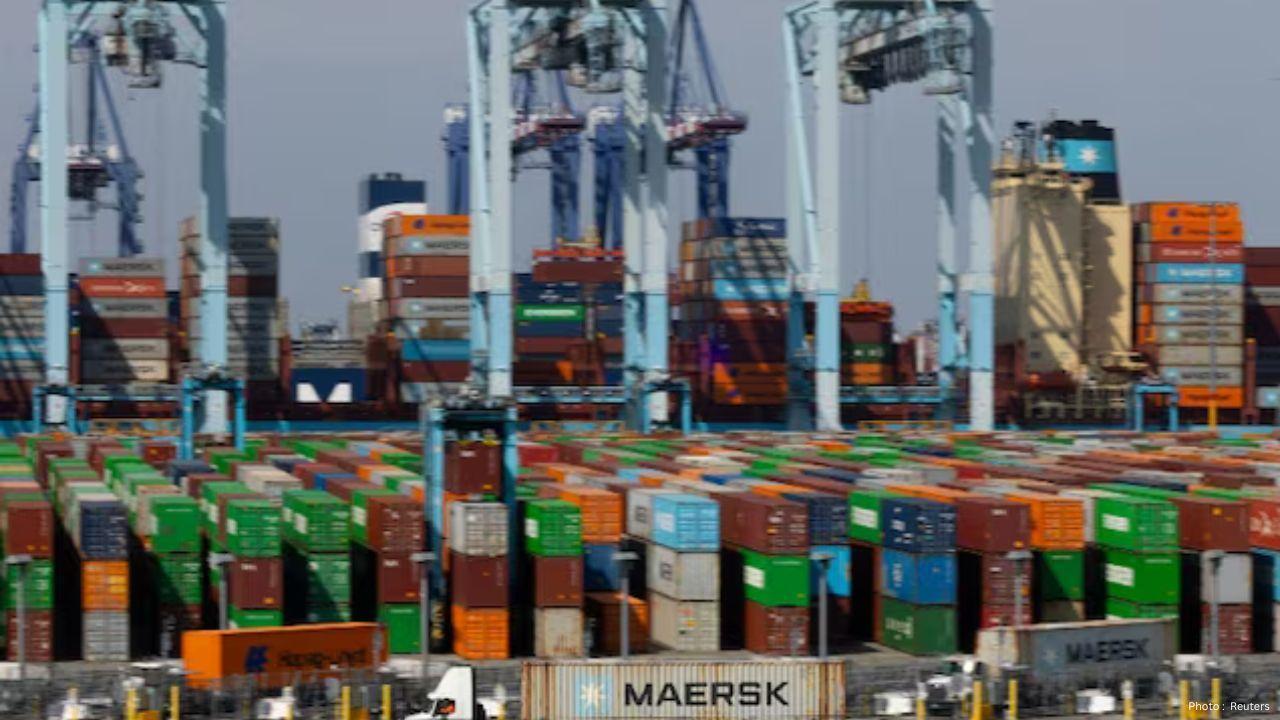
Trade tensions between major economies were also discussed in detail. Over the past few years, disagreements over tariffs, manufacturing, technology, and exports have increased pressure on businesses worldwide. Companies in many industries are struggling with uncertain markets and changing trade rules.
The relationship between the United States and China remains one of the biggest concerns for global economic stability. The two countries are deeply connected through trade, technology, and manufacturing. Any major disagreement between them can affect prices, supply chains, and businesses across many nations.
Leaders at the meeting also spoke about inflation, which continues to affect millions of people around the world. Higher prices for food, fuel, housing, and transportation have placed pressure on families and businesses. Many governments are trying to control inflation while also supporting economic growth.
Another major issue discussed was supply chain security. Recent global events, including wars and political tensions, have shown how easily international trade routes can be disrupted. Countries are now trying to reduce dependence on a single market or supplier for important goods and raw materials.
Several leaders expressed concern about energy security as well. Ongoing tensions in the Middle East and other regions have increased worries about oil and gas supplies. Rising energy prices can quickly affect transport costs, manufacturing, and household expenses.
The meeting also highlighted concerns about global financial markets. Sudden changes in interest rates and rising government debt have created uncertainty for investors and businesses. Experts warn that unstable financial conditions could slow economic growth in many countries.
At the same time, G7 members are trying to maintain unity despite differences in national interests. Some countries support stronger trade protections, while others prefer open markets and international cooperation. Finding common solutions remains a challenge.
For ordinary people, these economic discussions are important because they directly affect daily life. Inflation, job opportunities, fuel costs, and product prices are all connected to decisions made by major economies.
The meeting showed that the world economy remains highly connected. Problems in one country or region can quickly spread to others through trade, finance, and energy markets.
As global uncertainty continues, many countries are hoping for greater cooperation between major economies. Leaders understand that without stability and coordination, economic pressure on businesses and families could continue to grow in the coming years.
#trending #latest #G7 #GlobalEconomy #TradeTensions #WorldEconomy #Inflation #EconomicCrisis #GlobalTrade #SupplyChain #FinanceNews #InternationalTrade #China #USA #G7Summit #EconomicGrowth #OilPrices








Advances in Aerospace Technology and Commercial Aviation Recovery
Insights into breakthrough aerospace technologies and commercial aviation’s recovery amid 2025 chall

Defense Modernization and Strategic Spending Trends
Explore key trends in global defense modernization and strategic military spending shaping 2025 secu

Tens of Thousands Protest in Serbia on Anniversary of Deadly Roof Collapse
Tens of thousands in Novi Sad mark a year since a deadly station roof collapse that killed 16, prote

Canada PM Carney Apologizes to Trump Over Controversial Reagan Anti-Tariff Ad
Canadian PM Mark Carney apologized to President Trump over an Ontario anti-tariff ad quoting Reagan,

The ad that stirred a hornets nest, and made Canadian PM Carney say sorry to Trump
Canadian PM Mark Carney apologizes to US President Trump after a tariff-related ad causes diplomatic

Bengaluru-Mumbai Superfast Train Approved After 30-Year Wait
Railways approves new superfast train connecting Bengaluru and Mumbai, ending a 30-year demand, easi



