Post by : Saif
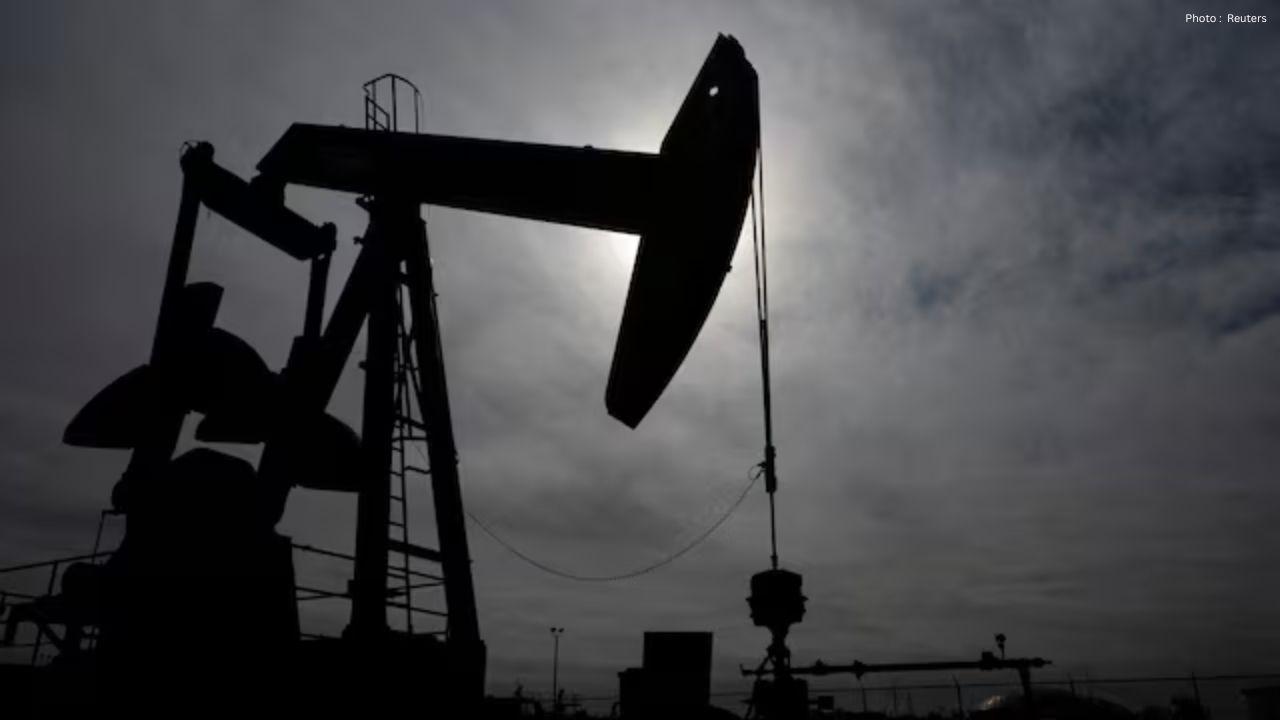
Global oil markets faced renewed uncertainty after crude prices rose sharply following Iran's announcement that it was closing the Strait of Hormuz in response to additional military strikes by the United States. The development has raised concerns about energy supplies, international shipping, and the wider economic impact of growing tensions in the Middle East. Oil benchmarks gained more than 2 percent as traders reacted to the possibility of disruptions in one of the world's most important energy routes.
The Strait of Hormuz is a narrow waterway located between the Persian Gulf and the Gulf of Oman. Despite its small size, it serves as one of the most critical passages for global energy trade. A significant share of the world's crude oil and liquefied natural gas moves through this route every day. Because of its strategic importance, any threat to shipping activity in the area immediately attracts global attention and influences energy markets.
According to reports, Iran's military leadership announced that the passage would be closed to oil tankers and commercial vessels following renewed American military action. Iranian officials warned that ships attempting to cross the waterway could face military action. At the same time, the United States stated that commercial traffic was still moving through the route and rejected reports suggesting that American naval vessels had been successfully targeted.
The latest escalation follows a series of military exchanges between Washington and Tehran. Recent strikes and counter-strikes have increased fears that the fragile stability seen in previous months may be deteriorating. As tensions have grown, investors have become increasingly concerned about the possibility of wider regional disruption affecting energy exports from the Gulf.
Financial markets responded quickly to the developments. Brent crude and West Texas Intermediate futures both recorded notable gains as traders priced in the risk of supply interruptions. Oil markets are highly sensitive to geopolitical events, especially when they involve major producing regions. Even the possibility of restrictions on shipping can influence prices because buyers and sellers seek to prepare for potential shortages.
The impact of rising crude prices extends far beyond energy companies. Higher fuel costs can affect transportation, manufacturing, agriculture, and consumer goods. Airlines may face increased operating expenses, shipping firms could see costs rise, and businesses that rely heavily on fuel may pass some of those expenses to customers. As a result, households in many countries could eventually feel the effects through higher prices for everyday products and services.
Developing economies are often particularly vulnerable to sudden increases in energy costs. Many nations depend on imported fuel to support transportation networks, electricity generation, and industrial activity. When international prices rise rapidly, governments can face additional pressure on budgets, trade balances, and inflation management. This is why developments in the Strait of Hormuz are closely monitored by policymakers around the world.
The situation also highlights the continuing importance of the Middle East in global energy security. Although many countries have diversified their energy sources over the years, the Gulf region remains a major supplier to international markets. Stability in this area continues to play a vital role in maintaining predictable energy flows and supporting economic growth across the world.
Another factor supporting higher prices has been the decline in American crude inventories. Recent data showed a larger-than-expected drawdown in stockpiles, indicating strong demand and tighter supply conditions. When lower inventories are combined with geopolitical uncertainty, market participants often become more cautious, contributing to upward pressure on prices.
The current situation demonstrates how closely connected global energy markets are to political and military developments. A single announcement affecting a major shipping route can influence commodity prices, investor confidence, and economic expectations across multiple continents. For governments, businesses, and consumers, the ability to manage such uncertainty remains an ongoing challenge.
The rise in oil prices following Iran's announcement underscores the strategic importance of the Strait of Hormuz and the broader consequences of geopolitical tensions. While the immediate focus remains on shipping activity and energy supplies, the longer-term concern is whether the conflict will continue to escalate. Stability in the region is essential not only for oil producers and importers but also for the health of the global economy. As governments monitor developments and markets react to new information, the world will continue to watch this critical waterway and its role in shaping international energy security.
#trending #latest #OilMarket #GlobalEconomy #EnergySecurity #ShippingRoutes #BrentCrude #WTI #Geopolitics #FuelPrices #WorldNews








Advances in Aerospace Technology and Commercial Aviation Recovery
Insights into breakthrough aerospace technologies and commercial aviation’s recovery amid 2025 chall

Defense Modernization and Strategic Spending Trends
Explore key trends in global defense modernization and strategic military spending shaping 2025 secu

Tens of Thousands Protest in Serbia on Anniversary of Deadly Roof Collapse
Tens of thousands in Novi Sad mark a year since a deadly station roof collapse that killed 16, prote

Canada PM Carney Apologizes to Trump Over Controversial Reagan Anti-Tariff Ad
Canadian PM Mark Carney apologized to President Trump over an Ontario anti-tariff ad quoting Reagan,

The ad that stirred a hornets nest, and made Canadian PM Carney say sorry to Trump
Canadian PM Mark Carney apologizes to US President Trump after a tariff-related ad causes diplomatic

Bengaluru-Mumbai Superfast Train Approved After 30-Year Wait
Railways approves new superfast train connecting Bengaluru and Mumbai, ending a 30-year demand, easi



