Post by : Saif
United States has reached a historic milestone by becoming the world's largest oil exporter, a remarkable achievement for a country that once struggled with severe energy shortages during the Arab oil embargo of the 1970s. The development highlights how decades of technological progress, investment, and energy sector expansion have transformed America's position in global oil markets.
More than fifty years ago, the situation was very different. In 1973, several Arab nations imposed an oil embargo that sharply reduced supplies to the United States and other Western countries. The crisis led to fuel shortages, rising prices, and long queues at petrol stations. The event exposed the risks of relying heavily on imported energy and pushed policymakers to search for ways to strengthen national energy security.
Over the following decades, the country invested heavily in exploration, production technology, and infrastructure. The most significant change came with the shale revolution. New drilling methods, including hydraulic fracturing and horizontal drilling, unlocked vast oil reserves that were previously difficult or uneconomical to extract. These innovations dramatically increased domestic production and gradually reduced dependence on foreign suppliers.
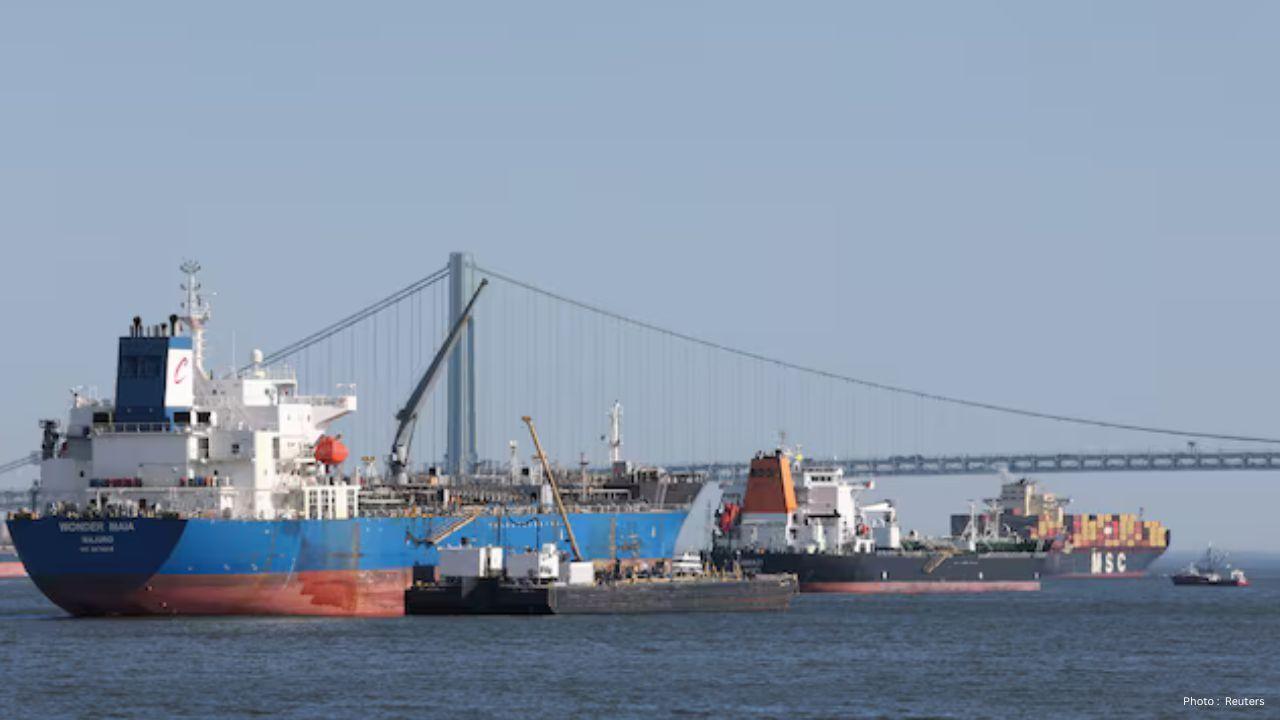
As output continued to grow, the United States moved from being a major importer to becoming one of the world's most important energy producers. Today, American crude oil is shipped to markets across Europe, Asia, and other regions, helping meet global demand and reshaping traditional trade routes. The achievement represents one of the most significant shifts in the international energy industry in recent history.
The rise of American exports has also changed the balance of power within global petroleum markets. For many years, oil-producing countries in the Middle East dominated international supply. While those nations remain critical players, the growing presence of North American production has created a more diversified market. Buyers now have access to additional sources of supply, reducing dependence on a limited group of exporters.
Economic benefits have been substantial. The expansion of the energy sector has supported millions of jobs directly and indirectly. Workers in drilling, transportation, refining, manufacturing, engineering, and logistics have all benefited from increased activity. Communities located near major production areas have seen investment in infrastructure, housing, and local businesses.
Export growth has also contributed to national revenue and strengthened trade relationships with energy-importing countries. Reliable access to fuel remains a key concern for many economies, and the availability of additional supplies from the United States has helped improve market flexibility. During periods of disruption caused by conflicts, sanctions, or natural disasters, a larger supply base can help stabilize international markets.
The transformation has important geopolitical implications as well. Energy resources often influence diplomatic ties and strategic partnerships. As a leading exporter, Washington has gained additional influence in discussions related to energy security and market stability. The ability to supply crude oil to allies and trading partners provides another tool in international economic relations.
At the same time, the achievement comes during a period of major change in the global energy landscape. Governments around the world are investing in renewable energy sources such as solar and wind power while promoting electric vehicles and cleaner technologies. Many countries have announced long-term plans to reduce carbon emissions and lower dependence on fossil fuels.
This has created an ongoing debate about the future role of oil in the global economy. Supporters of continued production argue that petroleum remains essential for transportation, manufacturing, and industrial activity. Critics point to environmental concerns and emphasize the need for a faster transition toward cleaner alternatives. The challenge for policymakers will be balancing economic interests with environmental responsibilities.
Technology remains at the center of this success story. The ability to access previously untapped reserves through advanced drilling methods changed the country's energy outlook and demonstrated how innovation can reshape entire industries. What was once considered an energy vulnerability gradually became a source of economic strength and international influence.
For global consumers, the increase in supply offers potential benefits. Although oil prices are affected by numerous factors, including political tensions and economic conditions, greater production from multiple regions can help improve market stability. A broader network of suppliers generally reduces the risk of severe disruptions and strengthens overall energy security.
Emergence of the United States as the world's top oil exporter marks a dramatic reversal from the days of the Arab oil embargo. A nation once defined by concerns over imported fuel has become a major supplier to the international market. This transformation reflects decades of innovation, investment, and policy decisions that reshaped the energy sector and changed the country's role in the global economy. As the world continues to balance traditional energy needs with the push for cleaner alternatives, this milestone will remain an important example of how economic and technological change can alter the course of history.
#trending #latest #USOilExports #OilMarket #EnergyNews #GlobalEnergy #CrudeOil #USEconomy #EnergySecurity #ShaleRevolution #OilIndustry #WorldOilExporter #MiddleEastNews #EnergyTransition #GlobalTrade










Advances in Aerospace Technology and Commercial Aviation Recovery
Insights into breakthrough aerospace technologies and commercial aviation’s recovery amid 2025 chall

Defense Modernization and Strategic Spending Trends
Explore key trends in global defense modernization and strategic military spending shaping 2025 secu

Tens of Thousands Protest in Serbia on Anniversary of Deadly Roof Collapse
Tens of thousands in Novi Sad mark a year since a deadly station roof collapse that killed 16, prote

Canada PM Carney Apologizes to Trump Over Controversial Reagan Anti-Tariff Ad
Canadian PM Mark Carney apologized to President Trump over an Ontario anti-tariff ad quoting Reagan,

The ad that stirred a hornets nest, and made Canadian PM Carney say sorry to Trump
Canadian PM Mark Carney apologizes to US President Trump after a tariff-related ad causes diplomatic

Bengaluru-Mumbai Superfast Train Approved After 30-Year Wait
Railways approves new superfast train connecting Bengaluru and Mumbai, ending a 30-year demand, easi