Post by : Saif
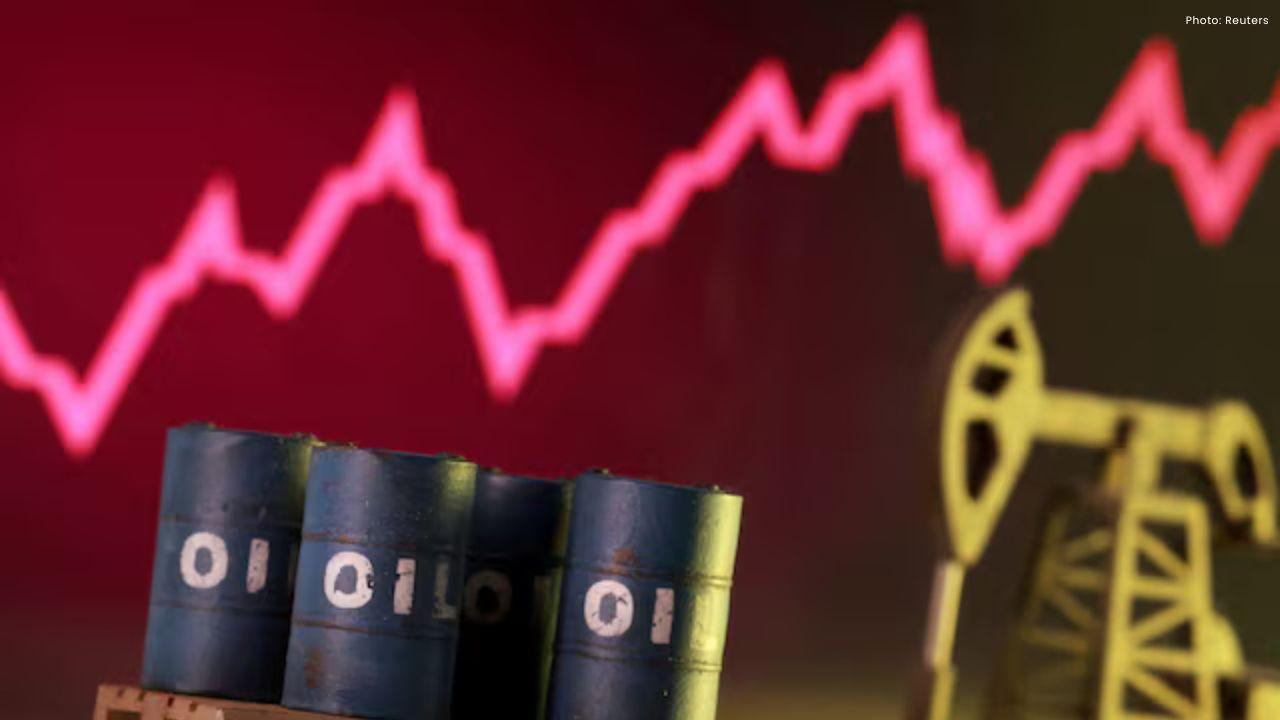
Global commodity markets have experienced dramatic changes as the war involving Iran continues to disrupt energy supplies and trade routes. Oil prices have surged by nearly 25 percent in a single trading session, while gold prices have unexpectedly fallen. These sudden shifts highlight how geopolitical conflicts can quickly affect global markets and economies.
The sharp rise in oil prices has been driven mainly by fears of supply disruptions in the Middle East, one of the world’s most important energy-producing regions. Brent crude oil climbed close to $119 per barrel, marking one of the biggest daily increases in recent years.
The ongoing conflict involving Iran, the United States, and Israel has created uncertainty about whether oil production and shipping will continue smoothly in the region. Markets tend to react quickly to such risks, pushing prices higher as traders worry about future shortages.
One of the main concerns is the disruption of shipping through the Strait of Hormuz, a narrow waterway between Iran and Oman. This route is one of the most important energy corridors in the world because about one-fifth of global oil supply normally passes through it.
As tensions in the region increased, tanker traffic through the strait dropped sharply and many shipping companies paused operations due to safety concerns. The slowdown in shipments created fears that global oil supply could fall significantly if the situation continues.
The sudden jump in oil prices has already started affecting other commodity markets as well. Prices of agricultural products such as wheat, corn, and vegetable oils have also risen because higher oil prices increase transportation and production costs. Some vegetable oils used in biofuel production have recorded strong gains in recent trading sessions.
At the same time, the price of aluminium has climbed to its highest level in four years. Traders fear that supply chains for metals could also be affected if the conflict spreads or disrupts industrial production in the region.
However, one surprising development has been the decline in gold prices. Gold is usually considered a safe-haven asset during times of uncertainty. When global tensions rise, investors often buy gold to protect their wealth.
In this situation, though, gold prices dropped by more than 2 percent. Analysts say the fall happened because the U.S. dollar strengthened as investors moved money into American assets. When the dollar becomes stronger, gold often becomes more expensive for international buyers, which can push prices down.
Financial markets around the world have also reacted strongly to the developments. Stock markets in several countries have fallen as investors worry that rising energy costs could slow economic growth. In Asia, major indices have recorded sharp declines as traders react to the oil price shock and the possibility of prolonged instability in the Middle East.
Economists warn that a sustained rise in oil prices could increase inflation globally. When fuel becomes more expensive, it raises the cost of transportation, manufacturing, and electricity. These higher costs are often passed on to consumers in the form of more expensive goods and services.
Some experts fear that if oil prices remain high for a long time, the world could face a situation similar to the economic shocks of the 1970s, when energy shortages caused inflation and slow economic growth at the same time.
The current crisis shows how closely global markets are linked to political events. Even a regional conflict can quickly influence commodity prices, stock markets, and economic stability around the world.
The war has already caused disruptions beyond energy markets. Airlines, shipping companies, and manufacturers are adjusting their operations as they deal with higher fuel costs and uncertain trade routes.
Countries that rely heavily on imported energy may feel the effects most strongly. Many Asian economies depend on oil shipments from the Middle East, and any disruption in supply could lead to higher fuel prices and increased inflation.
Governments and central banks are now closely watching the situation. Some policymakers may need to adjust economic strategies if the crisis continues and commodity prices remain volatile.
For now, much depends on how the conflict in the Middle East develops in the coming weeks. If tensions ease and shipping routes reopen, oil prices may stabilize. However, if fighting continues or spreads to more countries, global markets could face further shocks.
The sudden surge in oil prices and the unexpected drop in gold show how quickly markets can change during times of geopolitical tension. As investors react to every new development, the global economy remains sensitive to the outcome of the ongoing conflict.
#trending #latest #OilPrices #GlobalMarkets #IranWar #EnergyCrisis #CommodityMarkets #GoldPrices #GlobalEconomy #OilShock #MarketVolatility #armustnews






Advances in Aerospace Technology and Commercial Aviation Recovery
Insights into breakthrough aerospace technologies and commercial aviation’s recovery amid 2025 chall

Defense Modernization and Strategic Spending Trends
Explore key trends in global defense modernization and strategic military spending shaping 2025 secu

Tens of Thousands Protest in Serbia on Anniversary of Deadly Roof Collapse
Tens of thousands in Novi Sad mark a year since a deadly station roof collapse that killed 16, prote

Canada PM Carney Apologizes to Trump Over Controversial Reagan Anti-Tariff Ad
Canadian PM Mark Carney apologized to President Trump over an Ontario anti-tariff ad quoting Reagan,

The ad that stirred a hornets nest, and made Canadian PM Carney say sorry to Trump
Canadian PM Mark Carney apologizes to US President Trump after a tariff-related ad causes diplomatic

Bengaluru-Mumbai Superfast Train Approved After 30-Year Wait
Railways approves new superfast train connecting Bengaluru and Mumbai, ending a 30-year demand, easi



