Post by : Saif
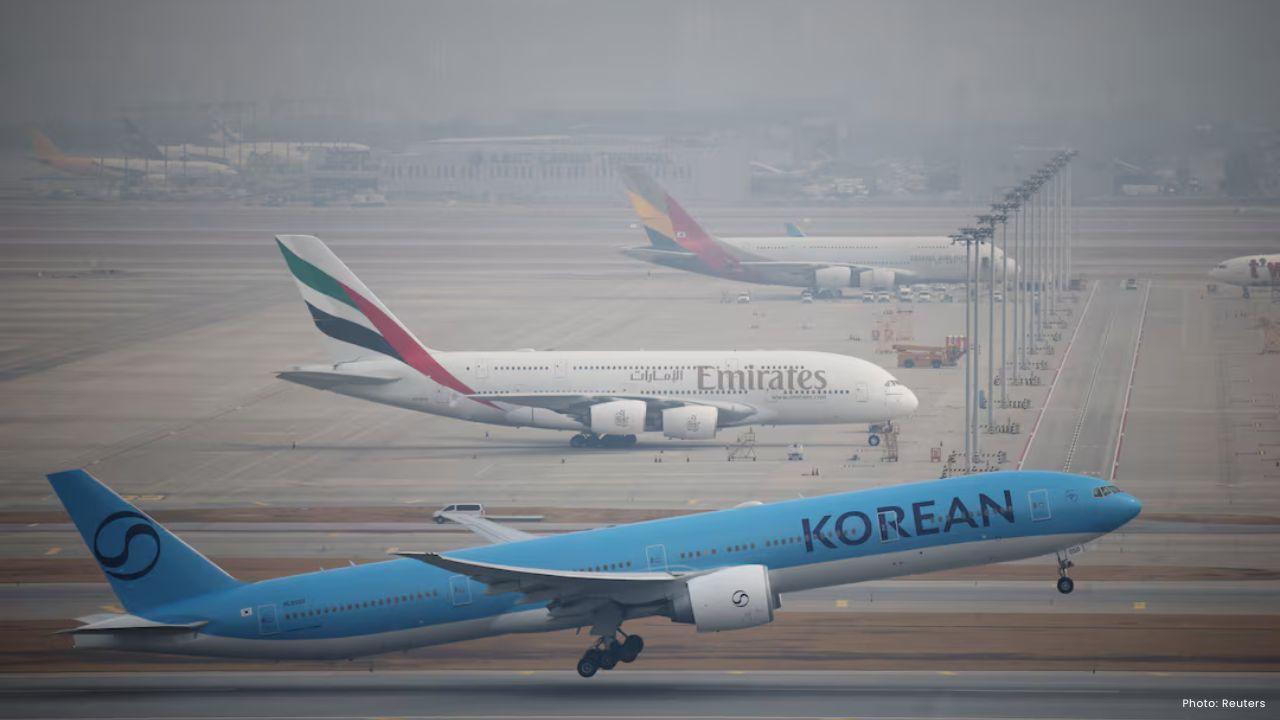
Airline companies around the world are facing strong pressure as oil prices rise sharply during the ongoing conflict involving Iran in the Middle East. The sudden increase in fuel prices has caused airline shares to fall across global stock markets, showing how sensitive the aviation industry is to changes in energy costs.
In recent days, oil prices have climbed rapidly and reached their highest levels in years. The surge is linked to fears that the war could disrupt oil supply from the Middle East, one of the most important energy-producing regions in the world. As the conflict intensifies, investors have become worried about the future cost of fuel for airlines.
Airlines depend heavily on fuel to operate their flights. Aviation fuel is usually one of the largest expenses for airline companies. Experts say fuel costs can make up about 20% to 25% of an airline’s operating expenses. When oil prices rise quickly, airline profits can shrink because the cost of running flights becomes much higher.
Because of these concerns, airline stocks in many countries dropped sharply. Shares of major carriers such as Qantas, Air New Zealand, Cathay Pacific, Japan Airlines, and Korean Air all declined between about 4% and more than 10% in a single trading session.
Airlines in India also felt the impact. Shares of IndiGo and SpiceJet fell significantly as investors reacted to rising fuel prices and uncertainty in global markets.
The war has also disrupted international travel routes. Many countries in the Middle East have restricted or closed parts of their airspace due to security concerns. This has forced airlines to cancel flights or take longer routes to avoid conflict zones. Longer routes mean higher fuel use and additional costs for airlines.
Reports suggest that more than 37,000 flights connected to the Middle East region have already been cancelled since the conflict began. These disruptions are affecting both passengers and airline companies. Travelers have faced delays and cancellations, while airlines must manage rising costs and uncertain schedules.
The situation is especially difficult because the airline industry was already dealing with several challenges. Airlines have been facing supply chain issues, higher operating costs, and economic uncertainty in many parts of the world. The sudden jump in oil prices has added another serious problem.
Financial analysts say investors often react quickly when oil prices rise because history shows that high fuel costs can hurt airline profits. Even if airlines try to raise ticket prices, they cannot always pass the full cost on to passengers. Higher ticket prices may reduce travel demand, which creates another challenge for airlines.
Another factor affecting airline operations is the closure of important airspaces in the region. Several countries have restricted flights after attacks and military actions linked to the conflict. As a result, many international airlines have suspended or changed services to destinations in the Middle East.
The aviation industry is highly connected to global events, especially geopolitical conflicts. Wars or tensions in major energy-producing regions can quickly affect airline operations, fuel prices, and passenger travel patterns.
Experts warn that if the conflict continues and oil prices remain high, airline companies may face further financial pressure. Some airlines protect themselves by using fuel hedging strategies, which allow them to lock in fuel prices ahead of time. However, not all airlines use this method, leaving them more exposed to sudden price increases.
Despite the current difficulties, aviation experts believe the industry has shown resilience in the past. Airlines often adapt by adjusting routes, managing fuel use, and reviewing ticket prices. Still, the current situation remains uncertain as global markets react to the war.
For passengers, the impact may appear in different ways. Flights may take longer routes, ticket prices could rise, and schedules may change depending on safety conditions in the region.
The events also highlight how closely global industries are connected. A conflict in one region can affect energy markets, stock exchanges, and transportation systems around the world.
For now, investors, airline companies, and governments are watching the situation carefully. The future of airline stocks and travel demand will largely depend on how long the conflict continues and whether oil prices remain high.
#trending #latest #AirlineIndustry #OilPrices #GlobalMarkets #IranWar #AviationNews #StockMarketNews #FuelCosts #TravelIndustry #GlobalEconomy #armustnews







Advances in Aerospace Technology and Commercial Aviation Recovery
Insights into breakthrough aerospace technologies and commercial aviation’s recovery amid 2025 chall

Defense Modernization and Strategic Spending Trends
Explore key trends in global defense modernization and strategic military spending shaping 2025 secu

Tens of Thousands Protest in Serbia on Anniversary of Deadly Roof Collapse
Tens of thousands in Novi Sad mark a year since a deadly station roof collapse that killed 16, prote

Canada PM Carney Apologizes to Trump Over Controversial Reagan Anti-Tariff Ad
Canadian PM Mark Carney apologized to President Trump over an Ontario anti-tariff ad quoting Reagan,

The ad that stirred a hornets nest, and made Canadian PM Carney say sorry to Trump
Canadian PM Mark Carney apologizes to US President Trump after a tariff-related ad causes diplomatic

Bengaluru-Mumbai Superfast Train Approved After 30-Year Wait
Railways approves new superfast train connecting Bengaluru and Mumbai, ending a 30-year demand, easi



