Post by : Avinab Raana
Photo : X / Electrek.co
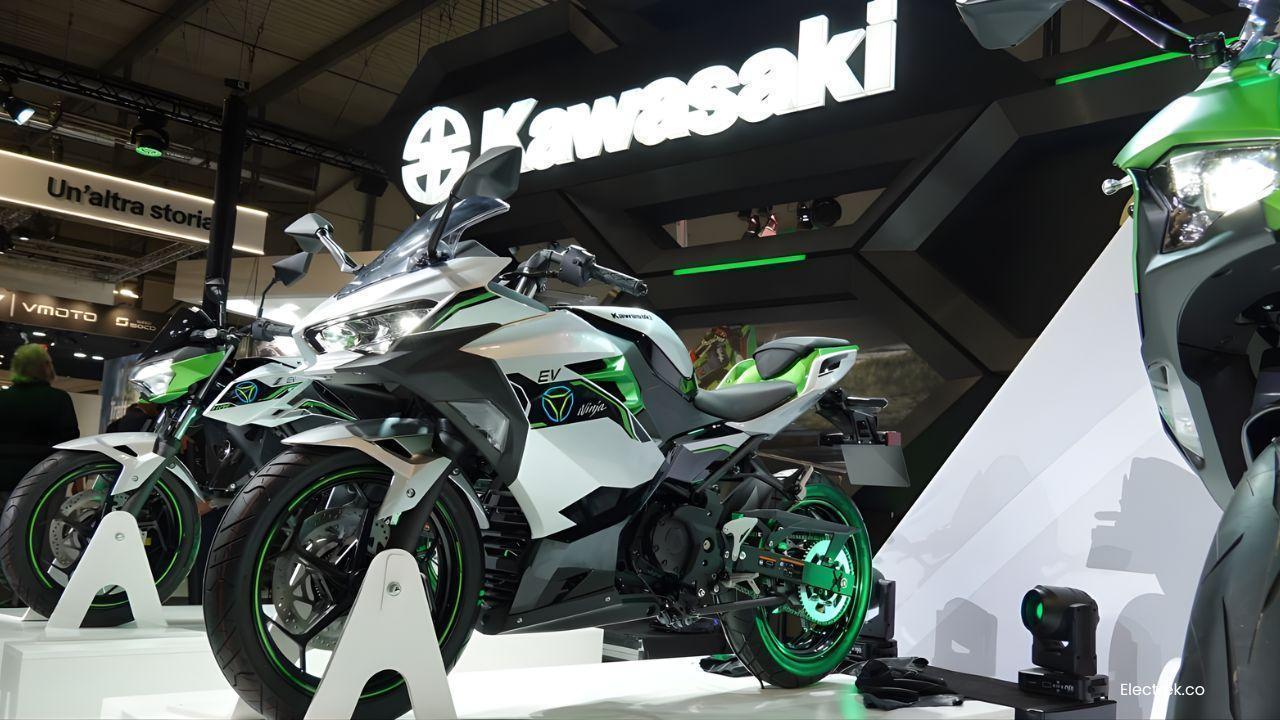
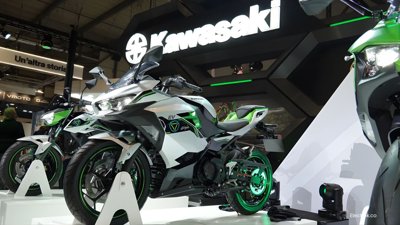
The global electric two-wheeler industry continues to evolve rapidly, and a newly revealed Kawasaki modular electric motorcycle patent suggests the company is exploring a smarter way to design future electric bikes. The concept focuses on a flexible architecture where the motor system can be adapted or replaced without redesigning the entire motorcycle frame. This Kawasaki electric motorcycle patent indicates a shift toward modular engineering, a strategy already widely used in the automotive sector to develop multiple models on a shared platform.
For electric motorcycles, such a concept could significantly improve production efficiency and accelerate the development of new models. Instead of building each electric bike from scratch, manufacturers could rely on a modular electric motorcycle platform capable of supporting various performance configurations.
At the heart of the design is the idea of electric motorcycle motor modularity. Traditional motorcycles typically mount the motor or engine directly to the main frame, making it difficult to change the powertrain configuration. Kawasaki’s patent proposes an alternative approach where the motor is integrated through a modular mounting structure.
This concept allows engineers to install different motors depending on the motorcycle’s intended use. A commuter bike, for instance, could use a smaller and more energy-efficient motor, while a performance-focused model could adopt a more powerful unit. This flexibility makes modular electric bike technology particularly attractive for manufacturers trying to adapt to evolving electric mobility demands.
The system also opens the possibility for faster upgrades in the future, where new motor technologies could be integrated into existing platforms without extensive redesign.
The Kawasaki EV motorcycle design presented in the patent suggests a frame structure that separates the motor mounting area from the primary chassis. This design allows the core structure of the motorcycle to remain consistent while the motor system can vary between models.
Such an approach enables manufacturers to produce several motorcycles from the same structural foundation. A single modular electric motorcycle platform could support multiple product categories including commuter bikes, sport motorcycles, or touring machines.
This strategy not only simplifies engineering but also reduces development costs, allowing companies to expand their electric vehicle lineup more quickly.
One of the biggest advantages of modular electric bike technology lies in manufacturing efficiency. Electric motorcycle development often requires extensive research and design for each new model. With modular architecture, manufacturers can reuse major components across multiple motorcycles.
This approach helps reduce production complexity while improving scalability. A shared future electric motorcycle platform could allow companies to produce different models using the same production infrastructure. In a competitive electric mobility market where innovation cycles are becoming shorter, such flexibility could provide a significant advantage.
The push toward electric motorcycle motor modularity reflects broader changes across the mobility industry. Electric vehicles rely heavily on battery systems, motor technology, and electronic control units. As these technologies evolve rapidly, manufacturers need platforms that can adapt to improvements without requiring a full redesign.
A Kawasaki modular electric motorcycle architecture would allow engineers to upgrade components more easily while maintaining a stable platform design. This adaptability is particularly important in the electric vehicle sector, where technological advancements occur quickly. By adopting modular systems, companies can introduce improved performance, range, and efficiency with each new model generation.
The Kawasaki electric motorcycle patent offers a glimpse into how future electric motorcycles may be designed. Instead of fixed configurations, bikes may rely on scalable platforms capable of supporting multiple powertrain options.
Such a future electric motorcycle platform would enable manufacturers to respond faster to market demands while offering riders a wider range of electric motorcycles tailored to different riding styles.
Although the concept is currently in the patent stage, it reflects a larger trend in the industry. As electrification continues to reshape transportation, modular engineering may become the foundation for the next generation of electric motorcycles.
For riders and manufacturers alike, innovations like the Kawasaki modular electric motorcycle concept suggest that the future of two-wheeled mobility will be defined not only by electric power but also by smarter and more adaptable design.
#trending #latest, Kawasaki modular electric motorcycle, Kawasaki electric motorcycle patent, modular electric motorcycle platform, electric motorcycle motor modularity, Kawasaki EV motorcycle design, modular electric bike technology, future electric motorcycle platform



Advances in Aerospace Technology and Commercial Aviation Recovery
Insights into breakthrough aerospace technologies and commercial aviation’s recovery amid 2025 chall

Defense Modernization and Strategic Spending Trends
Explore key trends in global defense modernization and strategic military spending shaping 2025 secu

Tens of Thousands Protest in Serbia on Anniversary of Deadly Roof Collapse
Tens of thousands in Novi Sad mark a year since a deadly station roof collapse that killed 16, prote

Canada PM Carney Apologizes to Trump Over Controversial Reagan Anti-Tariff Ad
Canadian PM Mark Carney apologized to President Trump over an Ontario anti-tariff ad quoting Reagan,

The ad that stirred a hornets nest, and made Canadian PM Carney say sorry to Trump
Canadian PM Mark Carney apologizes to US President Trump after a tariff-related ad causes diplomatic

Bengaluru-Mumbai Superfast Train Approved After 30-Year Wait
Railways approves new superfast train connecting Bengaluru and Mumbai, ending a 30-year demand, easi



