Post by : Avinab Raana
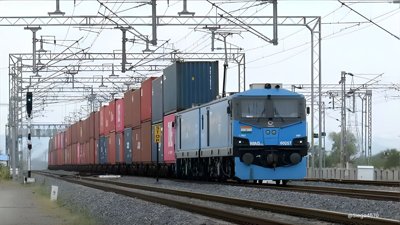
Photo : X / @Siege4570
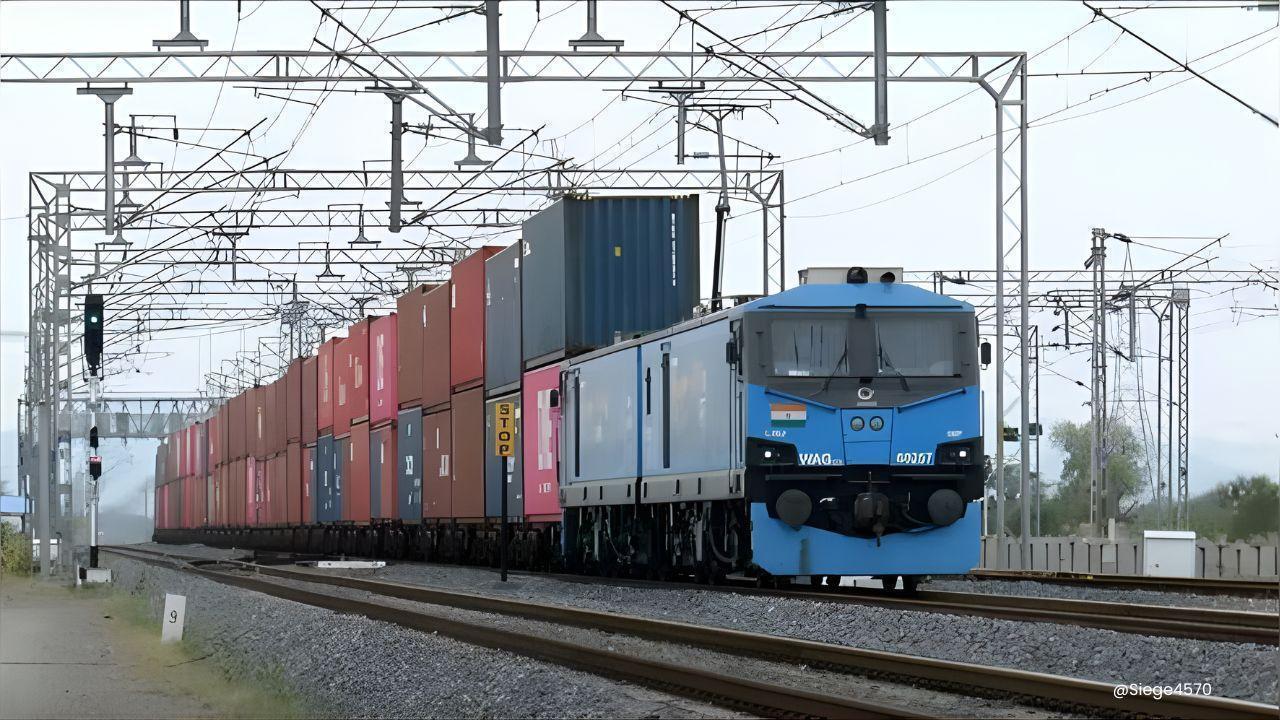
The global transport industry is witnessing strong global rail freight growth as rail operators and logistics providers expand networks to meet rising cargo demand. In recent months, several regions have seen new freight services, improved rail corridors, and strategic logistics partnerships aimed at strengthening rail freight logistics. These developments highlight a clear shift in how industries move goods across continents, with rail emerging as a reliable and efficient alternative to road transport.
International trade continues to grow, and businesses are increasingly exploring international rail cargo transport to improve delivery timelines while reducing transportation costs. As supply chains evolve, rail freight is quickly becoming a central pillar of global logistics operations.
One of the most significant drivers behind global rail freight growth is the expansion of cross-border rail freight routes linking major industrial and commercial regions. These routes allow cargo to travel seamlessly between countries, connecting manufacturing hubs, ports, and distribution centers.
Improved rail corridors across Europe and Asia are making it easier for companies to transport goods across long distances without relying entirely on maritime shipping or long-haul trucking. With faster transit times and improved scheduling, international rail cargo transport is becoming increasingly attractive for businesses handling high-value or time-sensitive goods. As global trade becomes more interconnected, cross-border rail networks are expected to play a major role in supporting efficient freight movement.
The rise of intermodal rail freight services is another major factor strengthening the global freight ecosystem. Intermodal logistics combines rail transport with road and maritime shipping, allowing cargo to move seamlessly between different modes of transport.
Containers can be transferred from ships to trains and then to trucks without unpacking the cargo, reducing handling time and improving efficiency. This system has become essential for modern rail freight supply chains, especially in industries such as manufacturing, retail, and e-commerce.
By integrating rail freight with ports, logistics hubs, and trucking networks, transport providers are creating faster and more resilient freight systems capable of handling increasing cargo volumes.
The global freight rail industry is also witnessing a surge in strategic partnerships between rail operators, logistics companies, and infrastructure providers. These collaborations are designed to improve operational efficiency, expand service networks, and develop advanced logistics solutions.
Through long-term agreements and operational cooperation, companies are enhancing rail freight logistics capabilities while increasing capacity across major freight corridors. Such partnerships also allow operators to optimize train scheduling, improve cargo tracking systems, and streamline cross-border freight processes.These developments demonstrate how the global freight rail industry is evolving into a more coordinated and technologically advanced logistics ecosystem.
Environmental sustainability is becoming a major factor influencing the expansion of rail freight supply chains. Compared to road transport, freight trains can move large volumes of goods with significantly lower carbon emissions, making them a preferred option for environmentally conscious logistics strategies.
Governments and transport authorities are therefore investing in rail infrastructure to encourage the shift from trucks to trains. These initiatives support not only environmental goals but also economic efficiency by reducing congestion on highways.
As sustainability becomes a central priority for businesses and policymakers, the role of intermodal rail freight servicesand cross-border rail corridors will continue to grow.
The recent wave of investments, new services, and partnerships reflects the strong momentum behind global rail freight growth. With expanding cross-border rail freight routes and improved logistics networks, rail transport is becoming a key driver of modern supply chains.
For industries that depend on reliable cargo movement, the advantages of rail freight are becoming increasingly clear. Efficient transport capacity, sustainable operations, and seamless integration with other logistics systems are positioning rail as a backbone of global trade.
As international markets continue to expand, the global freight rail industry is poised to play an even greater role in shaping the future of freight transportation.
#trending #latest,Global rail freight growth, rail freight logistics, international rail cargo transport, cross-border rail freight routes, intermodal rail freight services, global freight rail industry, rail freight supply chains






Advances in Aerospace Technology and Commercial Aviation Recovery
Insights into breakthrough aerospace technologies and commercial aviation’s recovery amid 2025 chall

Defense Modernization and Strategic Spending Trends
Explore key trends in global defense modernization and strategic military spending shaping 2025 secu

Tens of Thousands Protest in Serbia on Anniversary of Deadly Roof Collapse
Tens of thousands in Novi Sad mark a year since a deadly station roof collapse that killed 16, prote

Canada PM Carney Apologizes to Trump Over Controversial Reagan Anti-Tariff Ad
Canadian PM Mark Carney apologized to President Trump over an Ontario anti-tariff ad quoting Reagan,

The ad that stirred a hornets nest, and made Canadian PM Carney say sorry to Trump
Canadian PM Mark Carney apologizes to US President Trump after a tariff-related ad causes diplomatic

Bengaluru-Mumbai Superfast Train Approved After 30-Year Wait
Railways approves new superfast train connecting Bengaluru and Mumbai, ending a 30-year demand, easi



