Post by : Saif
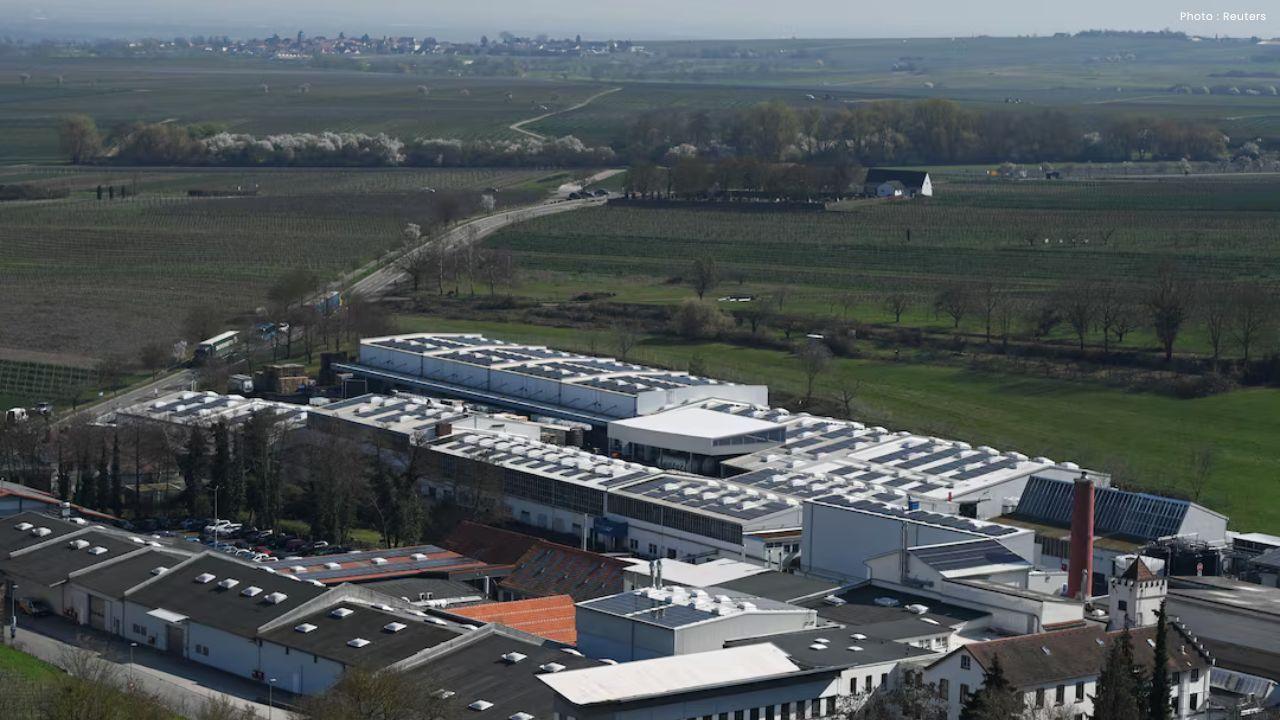
Europe’s industrial sector is facing another difficult phase as the ongoing conflict involving Iran continues to affect global energy and supply chains. What was already a challenging situation for industries has now become even more serious due to rising costs and uncertainty.
The war has pushed up prices of oil and gas, which are essential for running factories and producing goods. Many industries, such as chemicals, steel, and automobiles, depend heavily on energy. When energy becomes expensive, the cost of production increases, making it harder for companies to stay competitive.
One of the key concerns is the disruption of major shipping routes, especially the Strait of Hormuz. This narrow waterway carries a large share of the world’s oil supply. Any threat to this route creates fear in global markets, leading to higher prices and supply problems.
Countries in Europe are particularly affected because they rely on imported energy. Nations like Germany have strong manufacturing sectors that require large amounts of power. With rising energy costs, many companies are struggling to maintain normal production levels.
Small and medium-sized businesses are feeling the pressure the most. These companies often have limited financial resources, making it harder for them to deal with sudden increases in costs. Some have already delayed expansion plans, while others are cutting back on production to save money.
Large industries are also facing challenges. Many companies are raising prices for their products to cover higher costs. However, this can reduce demand, as customers may look for cheaper options. In some cases, companies are even considering shifting their operations to countries where energy is more affordable.
The impact of the conflict goes beyond energy. Supply chains are also being disrupted. Industries depend on raw materials and parts that come from different parts of the world. When shipping routes are affected or deliveries are delayed, production slows down. This creates problems across multiple sectors.
For example, if chemical industries face shortages, it affects the production of plastics, medicines, and other goods. This chain reaction shows how connected modern industries are. A problem in one area can quickly spread to many others.
From an economic point of view, the situation is worrying. Rising costs can lead to higher prices for goods, which increases inflation. At the same time, slower production can reduce economic growth. If the situation continues, some experts warn that parts of Europe could face a slowdown or even a recession.
Another important issue is investment. Businesses are becoming cautious about spending money on new projects. When companies are unsure about future costs and demand, they prefer to wait instead of expanding. This affects job creation and long-term growth.
From an editorial point of view, this crisis shows how global events can directly affect local economies. A conflict in one region can create problems for industries far away. Europe’s dependence on imported energy has made it more sensitive to such shocks.
The situation also highlights the importance of energy transition. Europe has been working to move towards renewable energy sources. However, this process takes time, and industries still depend heavily on oil and gas. Until the transition is complete, such crises will continue to create risks.
Governments are now under pressure to support industries. Some countries are considering financial aid, tax relief, or other measures to help businesses manage rising costs. While these steps can provide short-term relief, they may not solve the deeper issues.
Workers are also affected by this crisis. If companies reduce production or shut down factories, jobs can be lost. This can create social challenges, especially in regions where industries are the main source of employment.
In conclusion, the ongoing conflict involving Iran has added new pressure on Europe’s industrial sector. Rising energy costs, supply disruptions, and uncertainty are creating serious challenges for businesses and workers.
The coming months will be crucial. If the situation improves, industries may recover. But if tensions continue, Europe’s economy could face even greater difficulties in the future.
#trending #latest #IranConflict #EuropeIndustry #EnergyCrisis #GlobalEconomy #Germany #OilPrices #SupplyChain #BusinessNews #armustnews



Advances in Aerospace Technology and Commercial Aviation Recovery
Insights into breakthrough aerospace technologies and commercial aviation’s recovery amid 2025 chall

Defense Modernization and Strategic Spending Trends
Explore key trends in global defense modernization and strategic military spending shaping 2025 secu

Tens of Thousands Protest in Serbia on Anniversary of Deadly Roof Collapse
Tens of thousands in Novi Sad mark a year since a deadly station roof collapse that killed 16, prote

Canada PM Carney Apologizes to Trump Over Controversial Reagan Anti-Tariff Ad
Canadian PM Mark Carney apologized to President Trump over an Ontario anti-tariff ad quoting Reagan,

The ad that stirred a hornets nest, and made Canadian PM Carney say sorry to Trump
Canadian PM Mark Carney apologizes to US President Trump after a tariff-related ad causes diplomatic

Bengaluru-Mumbai Superfast Train Approved After 30-Year Wait
Railways approves new superfast train connecting Bengaluru and Mumbai, ending a 30-year demand, easi



