Post by : Saif
Global oil markets are facing strong pressure as crude oil prices surge to their highest levels in years. The sudden jump in prices is linked to the widening conflict involving Iran in the Middle East. As a result, shares of Indian oil refining companies dropped sharply, showing how global tensions can quickly affect markets and economies.
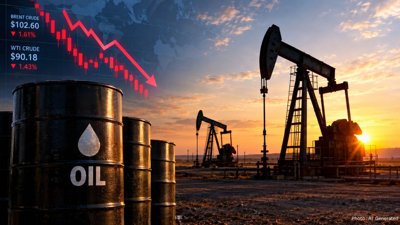
Oil prices jumped more than 20% and reached levels close to those last seen in 2022. The rise came after fears that the conflict in the Middle East could disrupt global energy supplies. Brent crude, the global benchmark for oil prices, moved toward levels near $120 per barrel, creating concern across financial markets.
India is one of the world’s largest importers of crude oil. Because the country depends heavily on imported oil to meet its energy needs, sudden price increases often create economic pressure. When crude oil becomes more expensive, the cost of refining fuel rises, which can affect the profits of companies and eventually increase fuel prices for consumers.
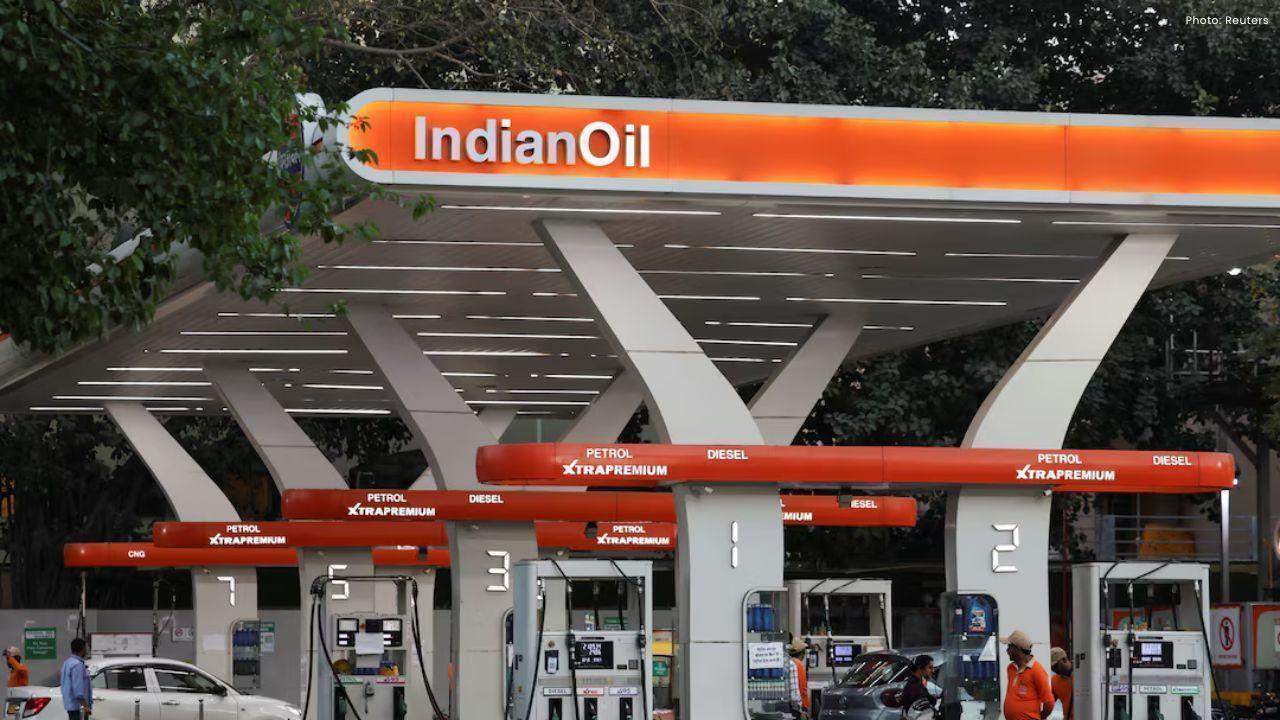
The immediate reaction was seen in the stock market. Shares of major state-run refiners such as Indian Oil Corporation, Bharat Petroleum Corporation, and Hindustan Petroleum fell sharply in trading. Reports indicated that these companies lost between about 6% and 7% of their value in a single trading session.
Investors became worried that rising crude prices could reduce the profit margins of refining companies. Refiners buy crude oil and turn it into products such as petrol, diesel, and jet fuel. If crude becomes too expensive, companies may not be able to fully pass the higher costs to customers, especially when fuel prices are controlled or politically sensitive.
The sudden rise in oil prices is closely tied to growing tensions in the Middle East. The ongoing conflict has raised fears that oil supply routes could be disrupted. One of the most important areas is the Strait of Hormuz, a narrow waterway through which about one-fifth of the world’s oil supply normally travels. Any disruption there can quickly shake global energy markets.
Because of these risks, traders in global markets reacted quickly. Oil prices climbed above $100 per barrel for the first time in several years as investors feared that supply from the region could be reduced.
Higher oil prices do not affect only energy companies. They can influence the entire economy. When fuel becomes more expensive, transportation costs increase. This can raise the price of goods, food, and services. Economists often warn that sustained high oil prices can push inflation higher and slow economic growth.
In India, the impact can be particularly strong. The country imports most of its crude oil needs, which means any global price spike quickly increases the national import bill. This can put pressure on government finances, the value of the rupee, and the overall cost of living.
Financial experts also warned that prolonged conflict in the Middle East could cause even more volatility in energy markets. If supply disruptions become more serious, prices could rise further, creating additional challenges for energy-importing countries like India.
At the same time, not every company in the energy sector reacts the same way. While refiners struggle with higher crude costs, companies that produce oil often benefit because they can sell their output at higher prices. This difference shows how complex the energy market can be.
For now, investors and policymakers around the world are closely watching developments in the Middle East. Any sign of escalation or disruption in oil supply routes could push prices even higher.
The situation also reminds the global community how strongly energy markets are tied to geopolitics. A conflict thousands of miles away can still influence stock markets, fuel prices, and everyday economic life in countries across the world.
#trending #latest #OilPrices #CrudeOil #IndiaEnergy #GlobalMarkets #IranConflict #EnergyCrisis #StockMarket #FuelPrices #GlobalEconomy #armustnews








Advances in Aerospace Technology and Commercial Aviation Recovery
Insights into breakthrough aerospace technologies and commercial aviation’s recovery amid 2025 chall

Defense Modernization and Strategic Spending Trends
Explore key trends in global defense modernization and strategic military spending shaping 2025 secu

Tens of Thousands Protest in Serbia on Anniversary of Deadly Roof Collapse
Tens of thousands in Novi Sad mark a year since a deadly station roof collapse that killed 16, prote

Canada PM Carney Apologizes to Trump Over Controversial Reagan Anti-Tariff Ad
Canadian PM Mark Carney apologized to President Trump over an Ontario anti-tariff ad quoting Reagan,

The ad that stirred a hornets nest, and made Canadian PM Carney say sorry to Trump
Canadian PM Mark Carney apologizes to US President Trump after a tariff-related ad causes diplomatic

Bengaluru-Mumbai Superfast Train Approved After 30-Year Wait
Railways approves new superfast train connecting Bengaluru and Mumbai, ending a 30-year demand, easi



