Post by : Saif
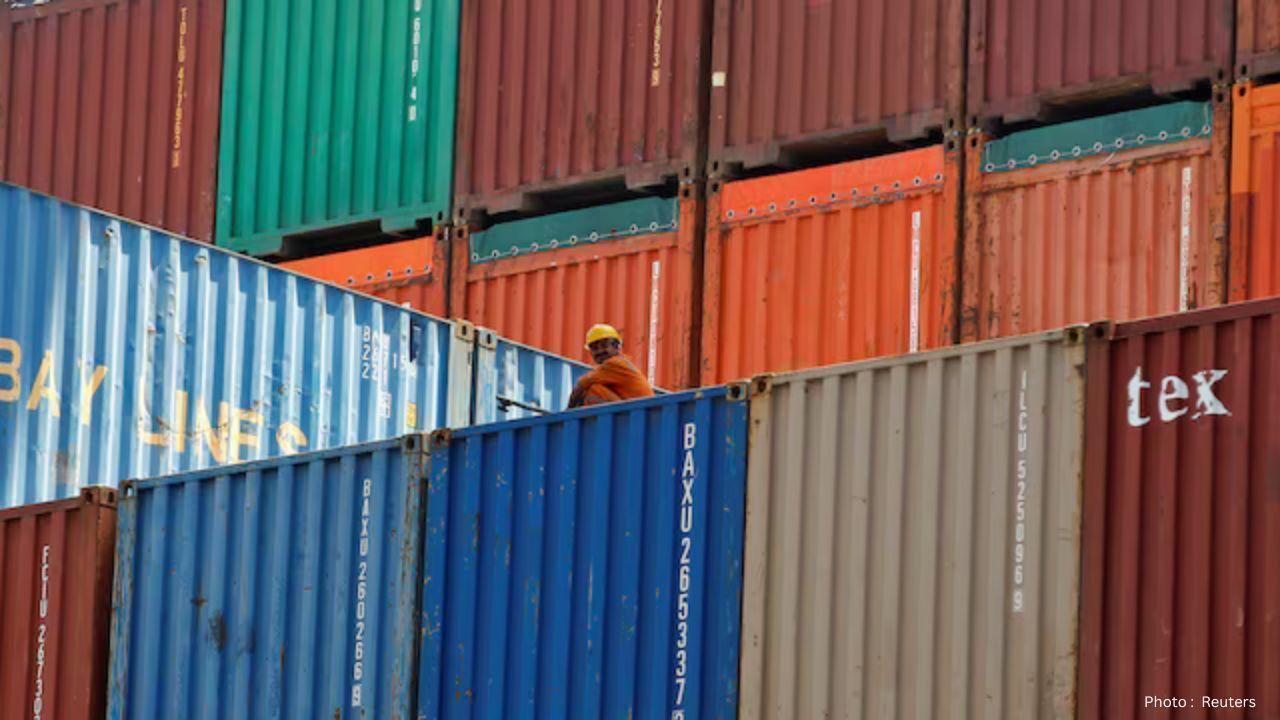
India has announced a ban on the import of goods produced wholly or partly through forced labour, introducing a new trade measure that could help the country address concerns raised by the United States during an ongoing trade investigation.
The decision was announced through a notification issued by the Ministry of Commerce and Industry, empowering the central government to prohibit the import of products found to have been manufactured using forced labour.
The move comes as several countries, including India, face scrutiny from the United States over allegations that their import regulations do not adequately prevent products made with forced labour from entering domestic markets.
According to the notification, the central government will have the authority to ban imports if investigations establish that goods were produced either wholly or partially through forced labour.
India's foreign trade authority will examine complaints and available evidence related to imported products. If violations are confirmed after consultations, the government can officially prohibit the import of those goods.
The new regulation is scheduled to come into force 30 days after the notification.
Read more: EU Rejects New US Tariffs After Supreme Court Ruling on Trump’s Global Levies
The policy is widely viewed as an effort to strengthen India's trade compliance framework as Washington considers additional tariffs under separate investigations into forced labour practices and industrial overcapacity.
The United States is currently reviewing whether imports from several trading partners comply with international labour standards.
Countries found to have inadequate safeguards against forced labour imports could face additional US tariffs of up to 12.5%, according to the ongoing trade review.
At present, most Indian exports to the United States are subject to a 10% tariff, although further measures remain under consideration.
The new policy reflects India's broader efforts to align its trade regulations with international labour standards and promote ethical supply chains.
Experts believe the measure could improve transparency in international trade while strengthening India's reputation as a responsible trading partner.
The rule also supports global initiatives aimed at eliminating forced labour from international supply chains and protecting workers' rights.
Importers dealing with products sourced from overseas manufacturers may now face increased compliance requirements.
Businesses will likely need to ensure their supply chains are free from forced labour and maintain documentation demonstrating that imported goods meet the new regulatory standards.
Industry observers say companies importing products into India may review supplier practices to avoid potential restrictions under the new rules.
#trending #latest #India #USTrade #TradePolicy #ForcedLabour #ImportBan #GlobalTrade #Economy #BusinessNews #IndiaNews #Commerce #SupplyChain #InternationalTrade #Tariffs #TradeRelations #LabourRights







Advances in Aerospace Technology and Commercial Aviation Recovery
Insights into breakthrough aerospace technologies and commercial aviation’s recovery amid 2025 chall

Defense Modernization and Strategic Spending Trends
Explore key trends in global defense modernization and strategic military spending shaping 2025 secu

Tens of Thousands Protest in Serbia on Anniversary of Deadly Roof Collapse
Tens of thousands in Novi Sad mark a year since a deadly station roof collapse that killed 16, prote

Canada PM Carney Apologizes to Trump Over Controversial Reagan Anti-Tariff Ad
Canadian PM Mark Carney apologized to President Trump over an Ontario anti-tariff ad quoting Reagan,

The ad that stirred a hornets nest, and made Canadian PM Carney say sorry to Trump
Canadian PM Mark Carney apologizes to US President Trump after a tariff-related ad causes diplomatic

Bengaluru-Mumbai Superfast Train Approved After 30-Year Wait
Railways approves new superfast train connecting Bengaluru and Mumbai, ending a 30-year demand, easi



