Post by : Saif
The shares of Japanese car manufacturer Honda dropped sharply after the company warned that it may record its first annual loss since becoming a publicly listed company nearly 70 years ago. The announcement surprised investors and sent Honda’s stock down more than five percent in Tokyo trading.
The company said the expected loss is mainly linked to large restructuring costs connected to its electric vehicle (EV) business. Honda now plans to take charges of up to 2.5 trillion yen (about $15.7 billion) as it changes its EV strategy and adjusts to shifting market conditions.
The news has raised concerns among investors and industry analysts. Honda has long been considered one of the most stable automakers in the world, and a yearly loss would mark a historic moment for the company.
Honda’s shares fell more than 6 percent during trading in Tokyo, marking the biggest one-day drop in months. Investors reacted quickly after learning that the company expects a significant financial hit in the current fiscal year.
The company said it now expects a loss of as much as 570 billion yen, or about $3.6 billion, for the fiscal year ending in March. This is a major change from earlier expectations when the company believed it would remain profitable.
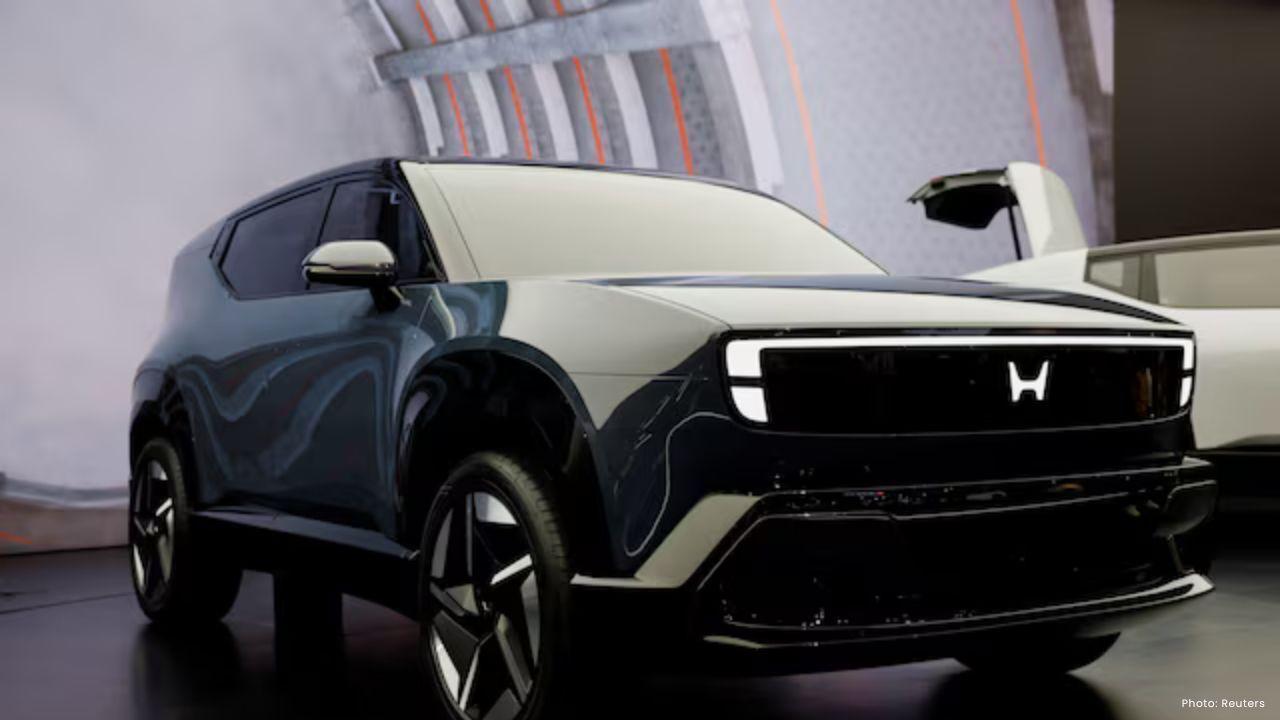
A major reason behind the expected loss is Honda’s decision to cancel several electric vehicle projects planned for the United States. The company had been preparing to produce three new EV models for the North American market. However, weaker demand for electric vehicles and changes in government policies forced the company to rethink its plans.
Canceling these projects means Honda must write off billions of dollars already invested in development, technology, and production facilities. These write-downs are part of the large restructuring charge the company announced.
The global electric vehicle market has also become more uncertain in recent years. While many governments once strongly supported EV growth through incentives and subsidies, some of those policies have been reduced or changed. This has slowed demand in certain markets and created financial pressure for carmakers that invested heavily in EV development.
Another challenge for Honda is the growing competition in China, the world’s largest car market. Chinese electric vehicle companies have rapidly improved their technology and production capabilities. Some of these companies now produce advanced vehicles at lower costs than traditional automakers.
Honda has struggled to keep up with these local competitors, which offer modern software systems and new digital features that many customers prefer. This has weakened Honda’s position in the Chinese market and contributed to its financial difficulties.
Industry experts say Honda is not alone in facing these problems. Several global automakers have recently reported major financial losses related to their electric vehicle investments. Companies such as Ford, General Motors, and Stellantis have also recorded large charges as they slow down or restructure EV plans.
In response to the situation, Honda is now adjusting its strategy. Instead of focusing only on electric vehicles, the company plans to strengthen its lineup of hybrid vehicles, which combine traditional gasoline engines with electric technology. Hybrids have remained popular in many markets because they offer better fuel efficiency without the need for charging infrastructure.
Honda also plans to expand its presence in growing markets such as India and other parts of Asia. The company believes these regions will continue to see strong demand for affordable and fuel-efficient vehicles.
To show responsibility for the company’s financial situation, Honda’s top executives have also agreed to temporary pay cuts. The company’s president and several senior leaders will reduce their salaries for a short period as part of the restructuring process.
Despite the expected loss, Honda says it remains confident about its long-term future. The company still has strong businesses in motorcycles, financial services, and hybrid vehicles. These divisions continue to generate stable income and may help the company recover in the coming years.
The company also plans to present a new long-term strategy soon. This plan will outline how Honda intends to balance electric vehicles, hybrid technology, and traditional engines while adapting to changes in global markets.
For now, however, the news has created uncertainty among investors. A company that has been profitable for decades is now preparing to report a historic loss, showing how quickly the global auto industry is changing.
The shift toward electric vehicles, rising competition, and uncertain government policies are forcing many carmakers to rethink their strategies. Honda’s situation highlights how even the world’s largest and most respected automakers must adapt to survive in a rapidly evolving industry.
#trending #latest #Honda #AutoIndustry #ElectricVehicles #EVMarket #GlobalAutomotive #BusinessNews #StockMarket #AutomobileIndustry #HybridCars #GlobalEconomy






Advances in Aerospace Technology and Commercial Aviation Recovery
Insights into breakthrough aerospace technologies and commercial aviation’s recovery amid 2025 chall

Defense Modernization and Strategic Spending Trends
Explore key trends in global defense modernization and strategic military spending shaping 2025 secu

Tens of Thousands Protest in Serbia on Anniversary of Deadly Roof Collapse
Tens of thousands in Novi Sad mark a year since a deadly station roof collapse that killed 16, prote

Canada PM Carney Apologizes to Trump Over Controversial Reagan Anti-Tariff Ad
Canadian PM Mark Carney apologized to President Trump over an Ontario anti-tariff ad quoting Reagan,

The ad that stirred a hornets nest, and made Canadian PM Carney say sorry to Trump
Canadian PM Mark Carney apologizes to US President Trump after a tariff-related ad causes diplomatic

Bengaluru-Mumbai Superfast Train Approved After 30-Year Wait
Railways approves new superfast train connecting Bengaluru and Mumbai, ending a 30-year demand, easi



