Post by : Saif
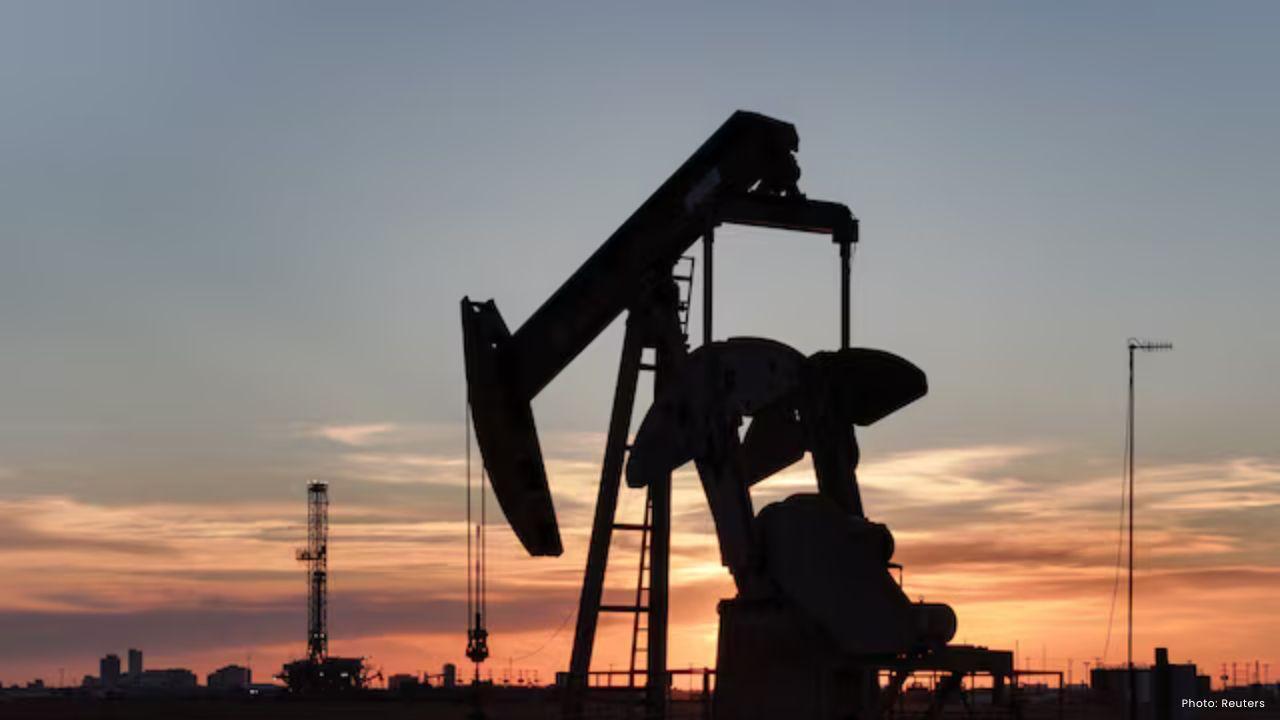
Oil prices dropped on global markets after the United States announced a temporary decision allowing countries to buy Russian oil that is currently stranded on tankers at sea. The move is designed to calm energy markets that have been shaken by rising tensions in the Middle East and disruptions to global oil supplies.
The U.S. Treasury issued a 30-day license that allows countries to purchase Russian crude and petroleum products that were already loaded onto ships and unable to reach buyers because of sanctions and shipping problems. This special permission will remain in effect until April 11, giving governments and companies a short window to complete transactions involving those shipments.
Energy markets reacted quickly to the news. Oil prices, which had surged earlier due to geopolitical tensions, fell slightly after the announcement. Brent crude dropped to about $99.75 per barrel, while U.S. West Texas Intermediate crude slipped to around $94.85 per barrel.
The decision is part of a broader effort by Washington to stabilize the global energy market at a time when supply chains are under heavy pressure.
The world’s oil market has been shaken in recent weeks by growing conflict in the Middle East. Military tensions and attacks on shipping routes have disrupted key energy corridors. One of the most serious concerns is the situation around the Strait of Hormuz, a narrow waterway that carries a large share of the world’s oil shipments.
Threats to block this critical route have caused oil prices to rise sharply and raised fears of a global supply shortage.
The U.S. government said the temporary license is a carefully targeted measure designed to increase available supply without significantly helping Russia’s government. Officials explained that the authorization only applies to oil already in transit on ships and does not allow new purchases directly from Russian producers.
According to industry estimates, about 124 million barrels of Russian oil are currently sitting on tankers across various parts of the world. Allowing these cargoes to be sold could provide a short-term boost to global supply and help ease market tensions.
Energy analysts say the move may only provide temporary relief. The deeper problem remains the instability in the Middle East, which has created one of the largest disruptions to oil supply in modern history.
Shipping through the Persian Gulf has become increasingly dangerous as attacks on oil tankers and energy infrastructure have increased. Some ports in the region have also been forced to reduce operations, making it harder for crude oil to move freely through global markets.
To prevent a major energy crisis, the United States and its allies have also taken another step: releasing oil from strategic reserves. The U.S. government recently announced a release of 172 million barrels from the Strategic Petroleum Reserve. At the same time, the International Energy Agency coordinated a broader global release of 400 million barrels from member countries’ emergency reserves.
These emergency actions are meant to control prices and make sure enough oil is available to keep industries running.
Even with these measures, analysts warn that the oil market remains extremely sensitive to political developments. Any escalation of the conflict in the Middle East could quickly push prices higher again.
Another important factor is the role of Russian oil in global energy markets. Since Western sanctions were introduced after Russia’s invasion of Ukraine in 2022, many countries have reduced their purchases of Russian crude. However, some nations, particularly in Asia, have continued buying Russian oil at discounted prices.
The new U.S. license may temporarily expand those purchases by allowing shipments that were already stuck at sea to reach buyers.
Some critics have questioned the decision, arguing that allowing more Russian oil sales could indirectly support Moscow’s economy. Others say the move is necessary to prevent a sharp rise in fuel prices that could harm consumers and businesses worldwide.
Energy markets are closely tied to global economic stability. When oil prices rise too quickly, transportation costs increase, manufacturing becomes more expensive, and inflation can spread across many industries.
Because of this, governments often take emergency steps to stabilize supply during major crises.
For now, the decline in oil prices suggests that the market welcomed the U.S. decision. However, experts believe the relief may be short-lived if the geopolitical situation continues to deteriorate.
Much will depend on whether shipping routes in the Middle East reopen safely and whether tensions around key oil transit points begin to ease.
Until then, the global oil market will remain highly uncertain, with governments, companies, and consumers watching closely for the next developments in one of the world’s most important industries.
#trending #latest #OilPrices #GlobalEnergy #RussianOil #EnergyMarket #MiddleEastCrisis #OilTrade #GlobalEconomy #CrudeOil #EnergySecurity #OilMarket







Advances in Aerospace Technology and Commercial Aviation Recovery
Insights into breakthrough aerospace technologies and commercial aviation’s recovery amid 2025 chall

Defense Modernization and Strategic Spending Trends
Explore key trends in global defense modernization and strategic military spending shaping 2025 secu

Tens of Thousands Protest in Serbia on Anniversary of Deadly Roof Collapse
Tens of thousands in Novi Sad mark a year since a deadly station roof collapse that killed 16, prote

Canada PM Carney Apologizes to Trump Over Controversial Reagan Anti-Tariff Ad
Canadian PM Mark Carney apologized to President Trump over an Ontario anti-tariff ad quoting Reagan,

The ad that stirred a hornets nest, and made Canadian PM Carney say sorry to Trump
Canadian PM Mark Carney apologizes to US President Trump after a tariff-related ad causes diplomatic

Bengaluru-Mumbai Superfast Train Approved After 30-Year Wait
Railways approves new superfast train connecting Bengaluru and Mumbai, ending a 30-year demand, easi



