Post by : Avinab Raana
Photo : X / Tom Craig
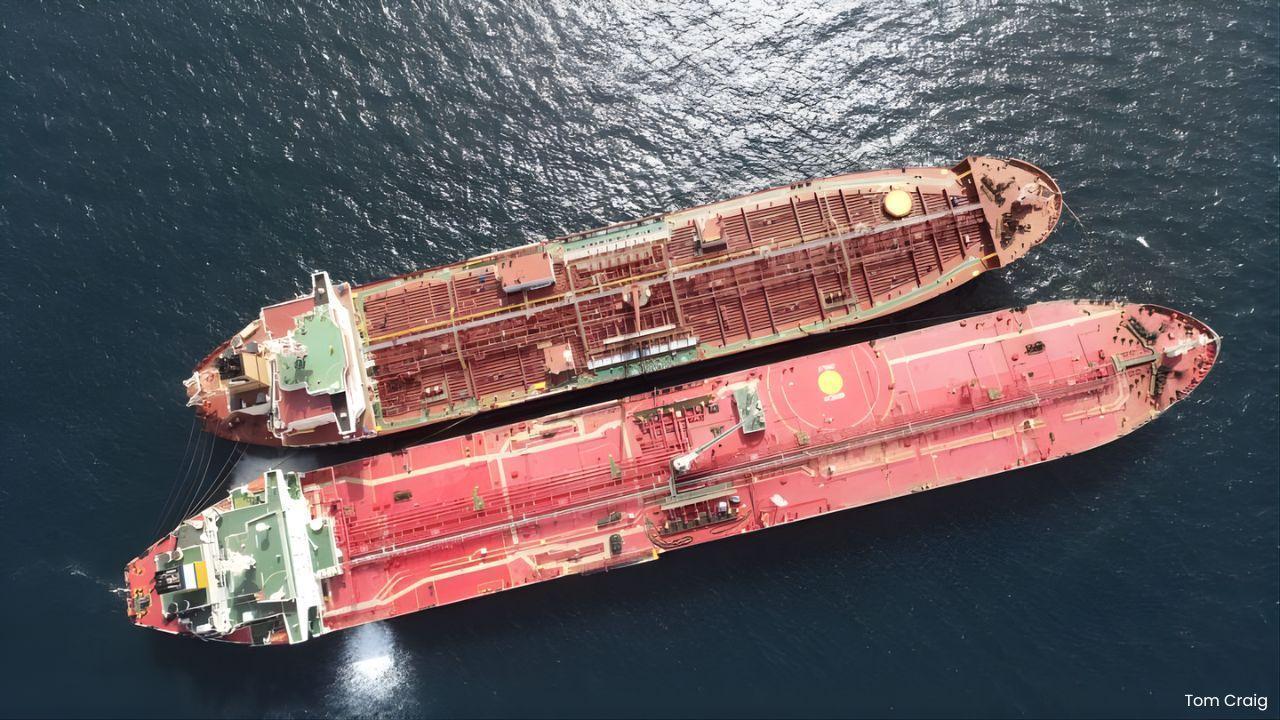
Global shipping routes through the Gulf are rapidly turning into one of the most expensive and high-risk corridors in modern maritime trade. What was once a critical and efficient artery for energy and cargo movement is now facing unprecedented cost pressures, driven by escalating geopolitical tensions and security threats. As war risks intensify around the Strait of Hormuz, shipping companies are being forced to rethink routes, absorb rising operational costs, and pass these financial burdens downstream reshaping the economics of global logistics almost overnight.
The most visible impact of this crisis is the sharp spike in freight rates across key trade lanes. Container shipping costs have surged dramatically, with rates on major routes multiplying several times within weeks. For instance, routes connecting Asia to the Gulf have seen costs jump from under $2,000 per container to well above $7,000, reflecting not just demand-supply imbalances but also the cascading effects of risk premiums and rerouting expenses. This sudden escalation is sending shockwaves across global supply chains, particularly for industries dependent on timely and cost-efficient cargo movement.
At the heart of this surge lies the dramatic increase in war risk insurance, a specialized cover that protects ships and cargo from conflict-related damages. Traditionally a marginal cost, these premiums have now surged by 200–300% and, in extreme cases, climbed to as high as 5–10% of a vessel’s value per voyage. For large tankers and cargo vessels, this translates into millions of dollars in additional costs for a single trip. The ripple effect is clear: shipping companies are adding substantial surcharges to compensate, making freight invoices significantly heavier for global traders.
Beyond insurance, operational disruptions are compounding the crisis. Many vessels are now avoiding the Strait of Hormuz altogether, opting for longer and safer routes. This shift not only increases fuel consumption and transit times but also reduces available shipping capacity on key lanes. In some cases, ships are idling or waiting for safer passage windows, further tightening supply and pushing freight costs even higher. The result is a supply chain under stress, where delays and unpredictability are becoming the norm rather than the exception.
The response from the global shipping and logistics ecosystem has been swift but cautious. Insurers are tightening coverage terms, issuing short-notice policy changes, and in some cases refusing to underwrite high-risk voyages altogether. Meanwhile, freight operators are recalibrating pricing strategies to reflect volatile conditions. Experts suggest that these changes may not be temporary, there is growing consensus that elevated risk pricing could become a structural feature of Gulf shipping if tensions persist, fundamentally altering trade economics in the region.
The Gulf region handles a significant portion of the world’s oil and gas shipments, making disruptions here a global concern. Rising shipping costs are already feeding into higher energy prices, increased import bills, and inflationary pressures across economies. For countries heavily dependent on Gulf energy supplies, the impact could be particularly severe, with ripple effects across manufacturing, transportation, and consumer markets.
The escalating cost of shipping through the Gulf is more than just a temporary disruption, it marks a pivotal shift in how global trade routes are valued and managed. As risks redefine costs and reshape logistics strategies, the maritime industry stands at a crossroads. The ability to adapt, diversify routes, and manage uncertainty will determine which players emerge stronger in this evolving landscape. One thing is certain: the era of predictable, low-cost Gulf shipping is rapidly fading, replaced by a new reality where risk carries a tangible and expensive price tag.
#trending #latest,#GulfShipping #WarRiskInsurance #FreightRates #GlobalShippingCrisis #SupplyChainDisruption








Advances in Aerospace Technology and Commercial Aviation Recovery
Insights into breakthrough aerospace technologies and commercial aviation’s recovery amid 2025 chall

Defense Modernization and Strategic Spending Trends
Explore key trends in global defense modernization and strategic military spending shaping 2025 secu

Tens of Thousands Protest in Serbia on Anniversary of Deadly Roof Collapse
Tens of thousands in Novi Sad mark a year since a deadly station roof collapse that killed 16, prote

Canada PM Carney Apologizes to Trump Over Controversial Reagan Anti-Tariff Ad
Canadian PM Mark Carney apologized to President Trump over an Ontario anti-tariff ad quoting Reagan,

The ad that stirred a hornets nest, and made Canadian PM Carney say sorry to Trump
Canadian PM Mark Carney apologizes to US President Trump after a tariff-related ad causes diplomatic

Bengaluru-Mumbai Superfast Train Approved After 30-Year Wait
Railways approves new superfast train connecting Bengaluru and Mumbai, ending a 30-year demand, easi



