Post by : Avinab Raana
Photo : X / ITLN Live
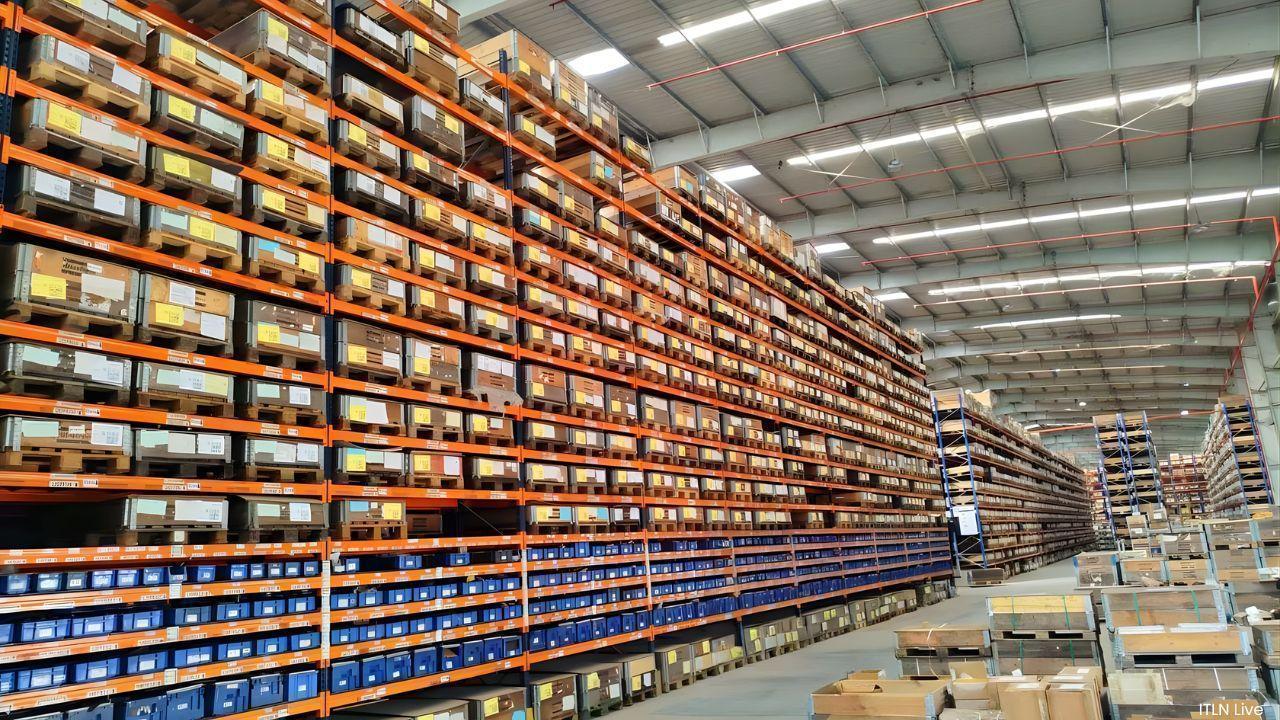
India’s logistics sector is entering a transformative phase as Godrej Enterprises Group and Tata Capital join forces to accelerate intralogistics leasing across the country. In a market where efficiency, speed, and cost optimization define competitiveness, this partnership introduces a powerful financial model that could reshape how businesses invest in material handling infrastructure. By enabling access to advanced equipment without heavy upfront investments, the collaboration signals a clear shift toward more flexible and scalable logistics solutions in one of the world’s fastest-growing supply chain ecosystems.
At the core of this partnership lies a structured finance leasing model that allows companies to transition from capital expenditure (CAPEX) to operational expenditure (OPEX). Traditionally, businesses have faced significant financial barriers when investing in modern intralogistics equipment, especially as advanced electric and lithium-ion forklifts come with 50–60% higher upfront costs compared to conventional diesel alternatives. The new leasing approach eliminates this hurdle by spreading costs over manageable monthly payments, offering predictability and financial agility while unlocking access to cutting-edge technology.
The partnership is not just conceptual, it is backed by a clear financial roadmap. Both companies aim to finance leased intralogistics assets worth approximately ₹100 crore over the next three years, targeting high-growth sectors such as e-commerce, pharmaceuticals, retail, logistics, and manufacturing. This ambitious scale highlights the growing demand for efficient material handling solutions as industries expand and supply chains become more complex and time-sensitive.
Beyond accessibility, the leasing model also offers tangible economic benefits. Businesses adopting this approach can achieve an estimated 6% cost advantage compared to outright purchases, while benefiting from predictable monthly cash flows. Additionally, the inclusion of predefined buyback options at the end of lease terms typically spanning three to five years ensures lifecycle efficiency and asset optimization. This model not only reduces financial strain but also encourages companies to upgrade to newer, more efficient technologies without long-term capital lock-in.
The collaboration arrives at a crucial time when industries are rapidly shifting toward sustainable and energy-efficient intralogistics solutions. Electric, lead-acid, and lithium-ion forklifts are becoming the preferred choice due to their operational efficiency and lower environmental impact. However, their higher upfront costs have historically slowed adoption. By removing this barrier, the partnership is expected to significantly accelerate the transition toward greener logistics operations across India’s industrial landscape.
The initiative aligns closely with national programs such as the National Logistics Policy and PM Gati Shakti, both of which aim to enhance supply chain efficiency and reduce logistics costs. With India’s logistics costs estimated at around 8% of GDP, improving operational efficiency remains a top priority. By enabling faster adoption of advanced equipment and improving warehouse productivity, this partnership contributes directly to the broader goal of building a more competitive and streamlined logistics ecosystem.
For the logistics and warehousing sector, this development marks a turning point. The shift toward leasing models reflects a broader trend where flexibility, scalability, and technology adoption are becoming central to operational strategy. As supply chains grow more dynamic, businesses are increasingly looking for solutions that allow them to scale quickly without compromising financial stability. The Godrej–Tata Capital partnership positions itself at the heart of this transition, offering a model that could soon become standard across the industry.
The partnership between Godrej Enterprises Group and Tata Capital goes beyond equipment leasing, it represents a fundamental rethinking of how logistics infrastructure is financed and deployed in India. As industries continue to evolve and demand more agile supply chains, such innovative models will play a crucial role in driving efficiency, sustainability, and growth. In the race to modernize logistics, the winners will not just be those with the best technology, but those with the smartest financial strategies to deploy it at scale.
#trending #latest,#Intralogistics #Godrej #TataCapital #LogisticsIndia #SupplyChainInnovation




Advances in Aerospace Technology and Commercial Aviation Recovery
Insights into breakthrough aerospace technologies and commercial aviation’s recovery amid 2025 chall

Defense Modernization and Strategic Spending Trends
Explore key trends in global defense modernization and strategic military spending shaping 2025 secu

Tens of Thousands Protest in Serbia on Anniversary of Deadly Roof Collapse
Tens of thousands in Novi Sad mark a year since a deadly station roof collapse that killed 16, prote

Canada PM Carney Apologizes to Trump Over Controversial Reagan Anti-Tariff Ad
Canadian PM Mark Carney apologized to President Trump over an Ontario anti-tariff ad quoting Reagan,

The ad that stirred a hornets nest, and made Canadian PM Carney say sorry to Trump
Canadian PM Mark Carney apologizes to US President Trump after a tariff-related ad causes diplomatic

Bengaluru-Mumbai Superfast Train Approved After 30-Year Wait
Railways approves new superfast train connecting Bengaluru and Mumbai, ending a 30-year demand, easi



