Post by : Avinab Raana
Photo : X / @MaritimeTechRev
In a decisive step toward strengthening its energy backbone, GAIL (India) Limited has entered into a long-term agreement with Greece-based Alpha Gas, marking a significant milestone in India’s evolving LNG logistics strategy. The deal is not just about chartering a vessel—it represents a calculated move to secure consistent, reliable, and scalable energy transportation at a time when global supply chains are under increasing pressure.
As India accelerates its transition toward a gas-based economy, ensuring uninterrupted LNG flow has become a national priority. This agreement signals a forward-looking approach where maritime logistics plays a central role in safeguarding energy security and supporting long-term economic growth.
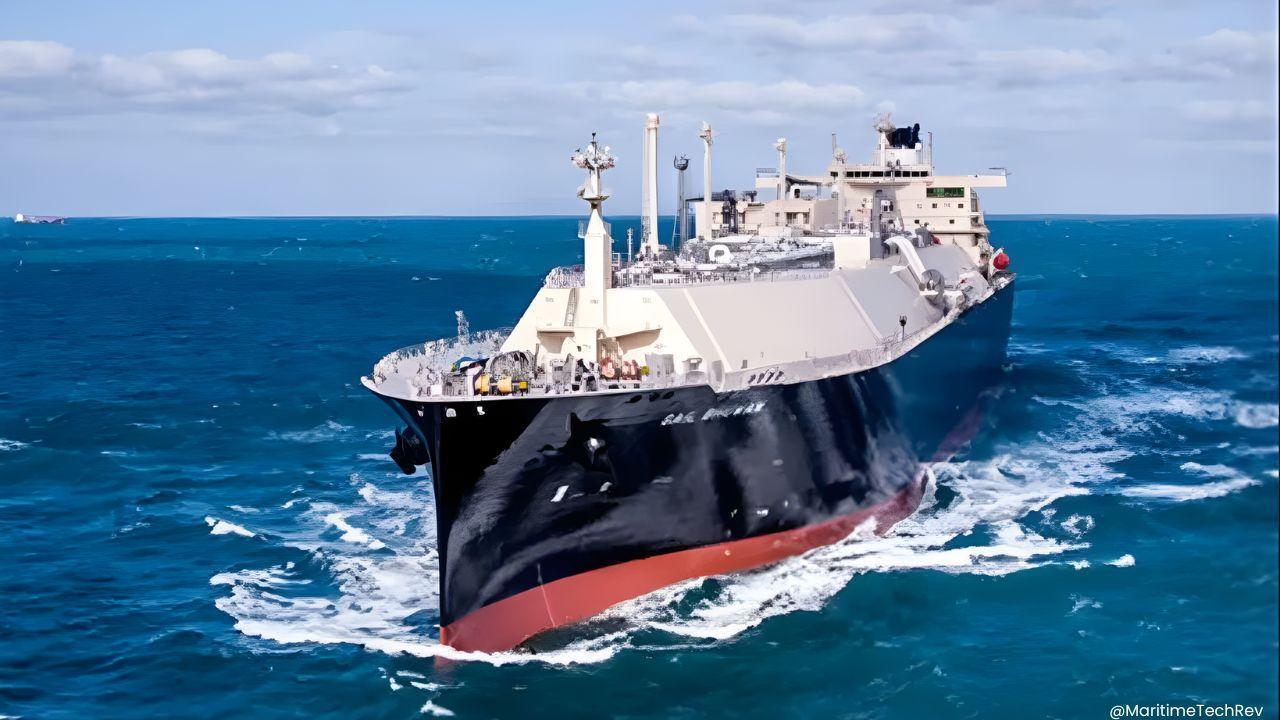
At the heart of the agreement is the LNG carrier Energy Fidelity, a high-capacity vessel designed to transport approximately 174,000 cubic meters of liquefied natural gas in a single voyage.
What makes this vessel particularly significant is its advanced engineering. Equipped with a modern two-stroke propulsion system, air lubrication technology, and shaft generators, it is built to maximize fuel efficiency while minimizing emissions.
This combination of scale and efficiency positions the vessel as a key asset in reducing transportation costs while aligning with global sustainability goals—an increasingly critical factor in modern maritime operations.
The agreement directly strengthens GAIL’s shipping capacity, enabling it to transport LNG from key global suppliers such as the United States and Russia with greater reliability.
For a country like India—one of the fastest-growing energy markets—this is a game-changing development. Rising industrial demand, expanding city gas networks, and the push for cleaner fuels have significantly increased the need for LNG imports. By securing long-term shipping capabilities, GAIL is ensuring that supply disruptions are minimized, even in volatile geopolitical conditions.
This move also reflects a broader shift where energy companies are no longer just buyers of fuel—they are becoming integrated logistics players, controlling the entire value chain from sourcing to delivery.
The significance of this deal extends beyond a single vessel. It highlights how maritime logistics is becoming the backbone of global energy security. With critical chokepoints like the Strait of Hormuz frequently exposed to geopolitical risks, having dedicated shipping capacity provides a strategic advantage.
By expanding its LNG fleet, GAIL is not only improving operational flexibility but also reducing dependence on spot charters, which can be both costly and unpredictable. This level of control enhances planning efficiency, stabilizes costs, and ensures timely delivery of energy resources.
This agreement is closely aligned with India’s broader “Maritime Amrit Kaal Vision 2047,” which aims to strengthen the country’s maritime infrastructure and global trade capabilities.
The vision emphasizes building a robust shipping ecosystem that supports not just trade but also critical sectors like energy. GAIL’s move fits perfectly within this framework, demonstrating how public sector enterprises are playing a proactive role in achieving national strategic goals.
Globally, LNG demand is becoming increasingly competitive, with countries racing to secure long-term contracts and transportation assets. In this landscape, GAIL’s partnership with Alpha Gas positions it as a more agile and resilient player.
By integrating shipping into its core operations, the company is strengthening its standing as one of the leading LNG portfolio managers globally. This strategic edge will be crucial as India aims to increase the share of natural gas in its energy mix in the coming years.
The GAIL–Alpha Gas deal is more than a commercial agreement—it is a reflection of how the energy sector is evolving. In today’s interconnected world, the real competitive advantage lies not just in access to resources, but in the ability to move them efficiently, reliably, and sustainably.
As global supply chains continue to face uncertainty, investments in logistics infrastructure are becoming the defining factor for energy security. And with this move, India is sending a clear message—it is not just participating in the global energy market, it is preparing to lead it.
#trending #latest,#GAIL #LNGShipping #EnergySupplyChain #AlphaGas #MaritimeLogistics






Advances in Aerospace Technology and Commercial Aviation Recovery
Insights into breakthrough aerospace technologies and commercial aviation’s recovery amid 2025 chall

Defense Modernization and Strategic Spending Trends
Explore key trends in global defense modernization and strategic military spending shaping 2025 secu

Tens of Thousands Protest in Serbia on Anniversary of Deadly Roof Collapse
Tens of thousands in Novi Sad mark a year since a deadly station roof collapse that killed 16, prote

Canada PM Carney Apologizes to Trump Over Controversial Reagan Anti-Tariff Ad
Canadian PM Mark Carney apologized to President Trump over an Ontario anti-tariff ad quoting Reagan,

The ad that stirred a hornets nest, and made Canadian PM Carney say sorry to Trump
Canadian PM Mark Carney apologizes to US President Trump after a tariff-related ad causes diplomatic

Bengaluru-Mumbai Superfast Train Approved After 30-Year Wait
Railways approves new superfast train connecting Bengaluru and Mumbai, ending a 30-year demand, easi



