Post by : Saif
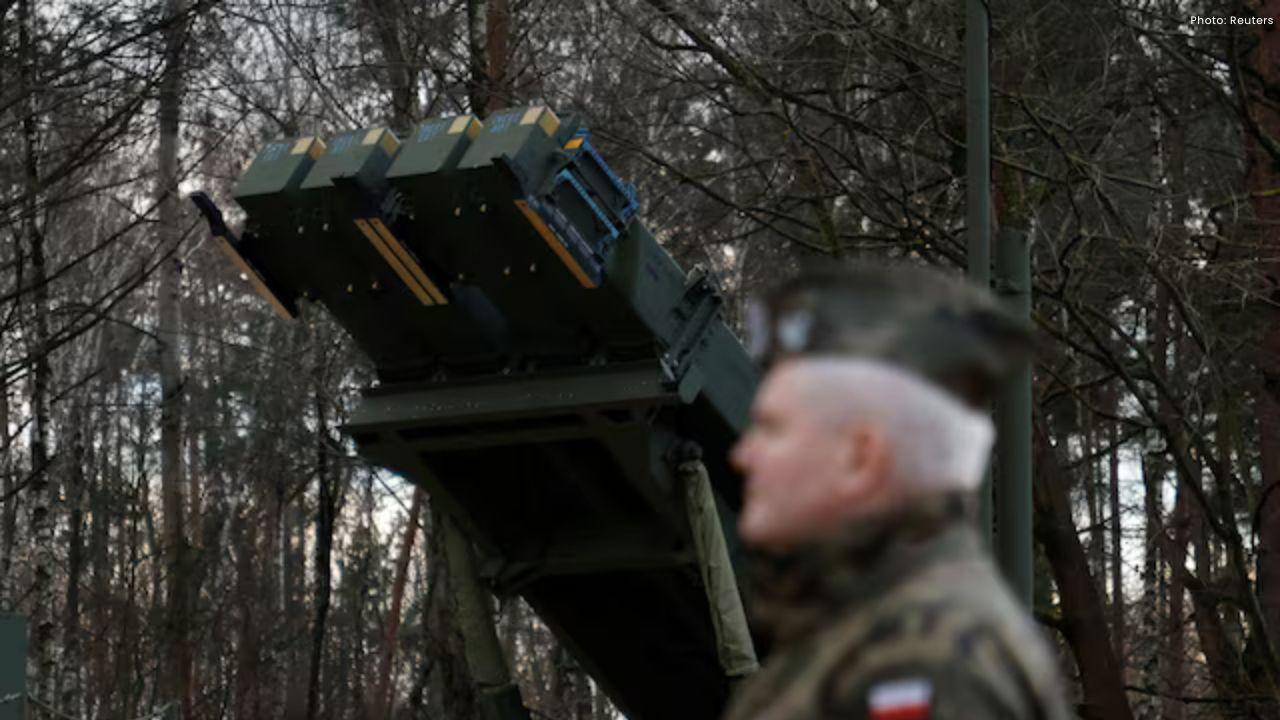
Europe has become the world’s largest importer of weapons, according to a new report from the Stockholm International Peace Research Institute (SIPRI). The report shows that European countries dramatically increased their purchases of military equipment over the past five years as governments reacted to growing security concerns, especially after Russia’s invasion of Ukraine.
The findings highlight a major shift in global defense spending and show how geopolitical tensions are reshaping military strategies across the world. European governments are now investing heavily in modern weapons, air defense systems, fighter jets, and other military equipment to strengthen their defenses and support Ukraine.
According to the SIPRI analysis, Europe accounted for about 33 percent of global arms imports between 2021 and 2025, a sharp increase from about 12 percent during the previous five-year period. This means that Europe now imports more weapons than any other region in the world.
The increase in arms purchases has also pushed global weapons transfers higher. Researchers say international arms transfers grew by nearly 10 percent during the same period as countries responded to new security threats.
One of the biggest reasons for this surge is the war in Ukraine. Since Russia launched its invasion in 2022, many European countries have rushed to strengthen their own militaries while also sending weapons and equipment to Ukraine. Governments that had reduced military spending after the Cold War are now rebuilding their armed forces.
Many European nations had long relied on diplomacy and economic cooperation to maintain peace. However, the war in Ukraine changed the security environment across the continent. The conflict reminded many governments that military preparedness is still essential for national security.
As a result, countries across Europe have increased defense budgets and placed large orders for modern weapons systems. Fighter aircraft, missile defense systems, armored vehicles, and advanced surveillance technology are among the most commonly purchased items.
A large share of these weapons is being supplied by the United States, which remains the world’s largest arms exporter. The United States now accounts for about 42 percent of global arms exports, strengthening its position as the dominant supplier of military equipment worldwide.
France has also emerged as a major exporter of weapons, holding nearly 10 percent of the global market, while Russia’s share of the international arms trade has fallen sharply in recent years. Russia now accounts for less than 7 percent of global arms exports, a major drop compared with its earlier position as one of the top suppliers.
Several factors have contributed to the decline in Russian arms exports. International sanctions, the impact of the Ukraine war, and production challenges have reduced Russia’s ability to sell weapons abroad. Many countries that previously bought Russian equipment are now turning to other suppliers, particularly in the United States and Europe.
At the same time, European countries are trying to strengthen their own defense industries. Governments are investing in domestic weapons production so that they can reduce dependence on foreign suppliers in the future. However, experts say building a strong local defense industry takes time, which means Europe will likely continue importing large amounts of weapons for several years.
The shift in Europe’s arms imports also reflects broader changes in global security. Many governments believe the international system is becoming more unstable, with rising tensions between major powers and increasing regional conflicts.
While Europe has increased its arms purchases, imports in some other regions have fallen slightly. For example, the Middle East saw a decline of about 13 percent in arms imports during the same period. However, countries such as Saudi Arabia and Qatar remain among the largest buyers of military equipment globally.
Defense analysts say the numbers may change again in the coming years as new conflicts emerge and governments adjust their military strategies.
The growing demand for weapons also raises important questions about the future of global security. Some experts worry that increasing military spending could lead to an arms race, where countries feel pressured to keep expanding their defense capabilities to match their rivals.
Others argue that strong defense systems can act as a deterrent, preventing conflicts by making potential aggressors think twice before launching an attack.
For European governments, the priority remains protecting national security and supporting allies facing military threats. The war in Ukraine has shown how quickly regional tensions can escalate into large-scale conflict, forcing nations to reconsider their defense strategies.
As geopolitical tensions continue to shape global politics, the rise of Europe as the world’s largest arms importer reflects a broader shift toward military preparedness. The coming years will show whether this trend leads to greater stability or whether it signals a more uncertain and heavily armed world.
#trending #latest #EuropeDefense #GlobalArmsTrade #MilitarySpending #UkraineWar #Geopolitics #DefenseIndustry #WorldNews #SecurityCrisis #InternationalRelations #armustnews








Advances in Aerospace Technology and Commercial Aviation Recovery
Insights into breakthrough aerospace technologies and commercial aviation’s recovery amid 2025 chall

Defense Modernization and Strategic Spending Trends
Explore key trends in global defense modernization and strategic military spending shaping 2025 secu

Tens of Thousands Protest in Serbia on Anniversary of Deadly Roof Collapse
Tens of thousands in Novi Sad mark a year since a deadly station roof collapse that killed 16, prote

Canada PM Carney Apologizes to Trump Over Controversial Reagan Anti-Tariff Ad
Canadian PM Mark Carney apologized to President Trump over an Ontario anti-tariff ad quoting Reagan,

The ad that stirred a hornets nest, and made Canadian PM Carney say sorry to Trump
Canadian PM Mark Carney apologizes to US President Trump after a tariff-related ad causes diplomatic

Bengaluru-Mumbai Superfast Train Approved After 30-Year Wait
Railways approves new superfast train connecting Bengaluru and Mumbai, ending a 30-year demand, easi



