Post by : Amit
Photo : X / Becs
Australia’s Freight Giant Considers Landmark Asset Divestment
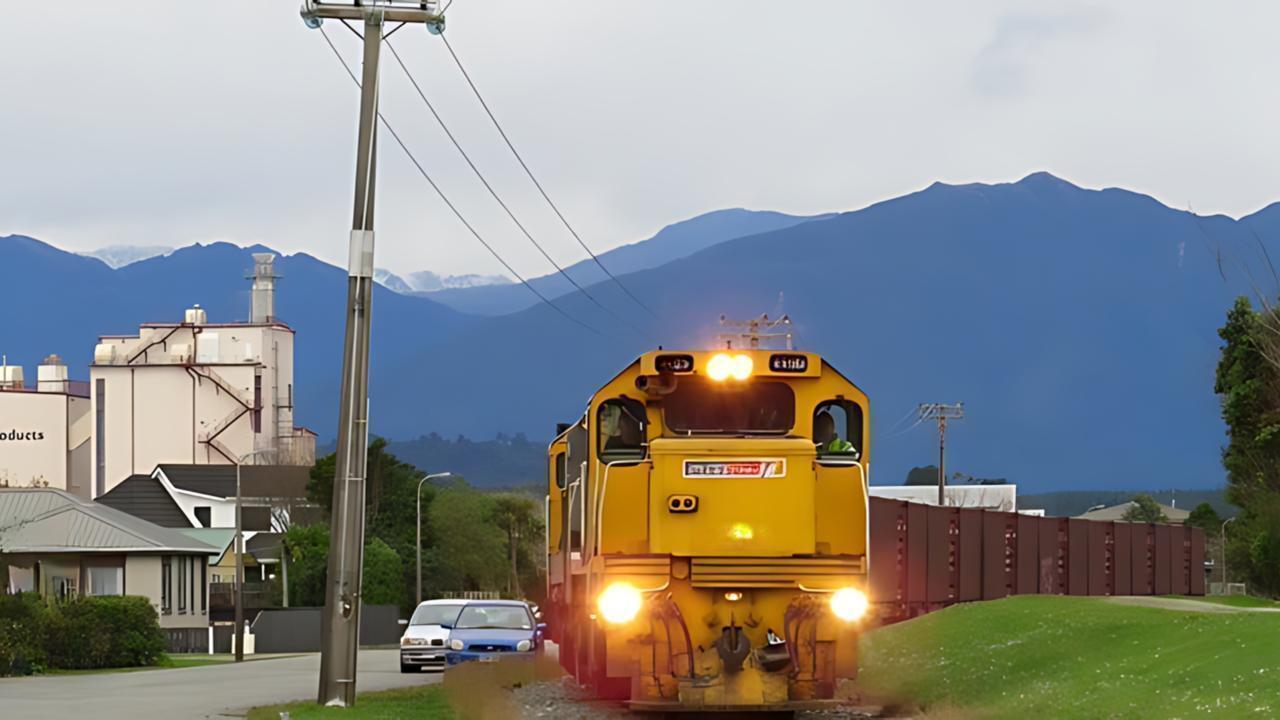
Australia’s largest rail freight operator, Aurizon Holdings Ltd, has set the stage for what could become one of the country’s most significant infrastructure transactions in years. The Brisbane-based transport powerhouse has invited potential buyers to inspect its sprawling 2,670-kilometre Queensland coal rail network, signalling its willingness to part with a major stake in exchange for an estimated $4 billion windfall. This move is not just a corporate reshuffle; it is a pivotal moment in the nation’s coal logistics chain, with the potential to reshape the landscape of freight transport across Queensland’s resource-rich interior.
The Scale of Aurizon’s Coal Corridor
Aurizon’s Central Queensland Coal Network (CQCN) is no ordinary asset. Spanning thousands of kilometres, it serves as the essential lifeline between the Bowen Basin’s vast coal mines and the region’s coastal export terminals, including those at Hay Point, Dalrymple Bay, and Abbot Point. Each year, millions of tonnes of thermal and metallurgical coal traverse this network, feeding both domestic power plants and steel mills around the world. The infrastructure includes heavy-haul rail lines, advanced signalling systems, and strategically placed maintenance depots, representing decades of investment and engineering expertise.
Strategic Shift Amid Energy Transition
The decision to explore a partial divestment comes as Aurizon navigates a challenging intersection between Australia’s traditional reliance on coal exports and the global momentum toward renewable energy and decarbonisation. While demand for high-quality metallurgical coal used in steelmaking remains robust, thermal coal faces mounting policy and market headwinds. By selling a stake in the CQCN, Aurizon is looking to free up capital, reduce debt, and invest in diversification—potentially expanding into bulk freight segments such as agricultural products, industrial minerals, and intermodal services.
Opening the Door to Global Investors
Aurizon has already initiated a formal process to court both domestic and international bidders. Infrastructure funds, pension investors, and sovereign wealth entities are expected to feature prominently among potential suitors. The asset’s regulated nature, under the oversight of the Queensland Competition Authority (QCA), offers a stable revenue stream tied to access charges paid by coal producers. This makes it particularly attractive for long-term institutional investors seeking steady cash flows in a volatile economic environment.
Regulatory Safeguards and Market Certainty
The CQCN operates under a regulated asset base model, with access pricing determined through a transparent review process. This framework ensures fair treatment of mining companies while guaranteeing Aurizon—or any future co-owner—a predictable rate of return. However, any sale would need to clear regulatory hurdles, including approval from the Foreign Investment Review Board (FIRB) for offshore buyers, as well as potential scrutiny from competition authorities to ensure market fairness.
Economic Significance for Queensland
The rail network’s importance extends far beyond Aurizon’s balance sheet. It underpins a significant portion of Queensland’s export economy, supporting thousands of jobs directly and indirectly. The Bowen Basin alone produces more than 200 million tonnes of coal annually, much of which relies on the CQCN for transportation to ports. A change in ownership could therefore have ripple effects across regional communities, mining operations, and state revenues derived from royalties.
Precedent for Large-Scale Rail Deals
Australia has seen major infrastructure transactions in recent years, including the long-term lease of the Port of Darwin, the privatisation of NSW’s electricity transmission assets, and the sale of the NSW Ports network. However, Aurizon’s CQCN sale would be unique in scale and sectoral significance, given coal’s central—yet increasingly contested—role in the nation’s economic story. Analysts suggest the deal could attract interest comparable to multi-billion-dollar rail and energy asset sales in North America and Europe.
Balancing Coal Dependence with Green Commitments
Aurizon’s pivot toward a sale comes as the company faces pressure to balance shareholder returns with environmental responsibility. It has already committed to reducing scope 1 and 2 emissions and exploring new freight opportunities in renewable energy supply chains, such as transporting components for wind farms and solar installations. Divesting part of the coal network could allow Aurizon to reallocate resources toward such ventures without abandoning its profitable coal haulage segment entirely.
Potential Buyer Profiles
Market speculation has already linked several heavyweight names to the bidding process. Global infrastructure giants such as Brookfield, Macquarie Asset Management, and Canada’s CPPIB could be in contention, alongside domestic superannuation funds seeking stable, inflation-protected returns. Given the strategic nature of the asset, mining companies themselves might also consider partial ownership to secure guaranteed long-term access and influence over freight pricing.
Investor Appetite and Risk Factors
While the asset’s long-term contracts and regulated revenue offer stability, investors will weigh these against broader coal market risks. Shifting government policies, the pace of global decarbonisation, and evolving steelmaking technologies could affect demand for metallurgical coal in the next two decades. Moreover, weather-related disruptions—such as flooding in Queensland’s coal belt—have occasionally halted rail services, highlighting the need for robust risk management strategies.
Financial Impact and Debt Management
Aurizon is expected to use proceeds from the sale to strengthen its balance sheet, potentially retiring debt and funding capital expenditure in growth areas. The company has already invested heavily in modernising rolling stock, digital signalling, and predictive maintenance systems. Additional liquidity could accelerate upgrades, enhance network resilience, and position Aurizon to capture emerging freight opportunities beyond coal.
Community and Workforce Implications
For the thousands of Aurizon employees who keep the CQCN running, a sale could bring both uncertainty and opportunity. While operational control may remain with Aurizon if it retains a majority stake, new investors could push for efficiency gains, technology adoption, or alternative freight uses for certain segments of the network. Stakeholder engagement with unions, local councils, and Indigenous landholders will be crucial in ensuring a smooth transition.
Broader Infrastructure Market Context
Aurizon’s move also comes amid heightened competition for infrastructure assets worldwide. Low global interest rates in recent years have fuelled a surge in investment in long-life, cash-generating projects. Even as rates have risen, high-quality infrastructure remains a prized asset class. Australia’s stable regulatory environment, combined with the CQCN’s critical economic role, makes this a particularly compelling opportunity for global capital.
Possible Timelines and Next Steps
The sale process is expected to unfold over several months. Interested parties will conduct due diligence, assessing asset condition, contractual obligations, and future market forecasts. Aurizon’s board will weigh offers not only on price but also on the bidder’s ability to align with the company’s long-term strategy and regulatory obligations. A deal could be finalised in late 2025 if negotiations proceed smoothly.
A Pivotal Decision for the Future of Coal Logistics
Whether Aurizon ultimately sells a minority or majority stake, the decision will mark a turning point in how Australia’s coal supply chain is financed and managed. The outcome could influence freight pricing, infrastructure investment priorities, and the balance between resource extraction and sustainability in the decades ahead.
Expert Opinions Highlight Strategic Importance
Industry analysts note that while coal’s future is under question globally, metallurgical coal remains essential for steelmaking—a sector for which viable large-scale alternatives are still emerging. As one infrastructure economist put it, “The CQCN is not just a set of tracks; it’s an artery for Australia’s industrial economy. Whoever owns it will hold a critical piece of the export puzzle.”
The Long View: Beyond the Sale
Even if the transaction proceeds, Aurizon will remain a dominant force in Australia’s freight sector. The company’s diversification efforts, combined with its role in maintaining and operating the CQCN, mean it will continue to shape the nation’s supply chain future—whether in coal, renewables, or emerging bulk freight markets.
Aurizon asset divestment, Australia rail freight market





Advances in Aerospace Technology and Commercial Aviation Recovery
Insights into breakthrough aerospace technologies and commercial aviation’s recovery amid 2025 chall

Defense Modernization and Strategic Spending Trends
Explore key trends in global defense modernization and strategic military spending shaping 2025 secu

Tens of Thousands Protest in Serbia on Anniversary of Deadly Roof Collapse
Tens of thousands in Novi Sad mark a year since a deadly station roof collapse that killed 16, prote

Canada PM Carney Apologizes to Trump Over Controversial Reagan Anti-Tariff Ad
Canadian PM Mark Carney apologized to President Trump over an Ontario anti-tariff ad quoting Reagan,

The ad that stirred a hornets nest, and made Canadian PM Carney say sorry to Trump
Canadian PM Mark Carney apologizes to US President Trump after a tariff-related ad causes diplomatic

Bengaluru-Mumbai Superfast Train Approved After 30-Year Wait
Railways approves new superfast train connecting Bengaluru and Mumbai, ending a 30-year demand, easi



