Post by : Saif
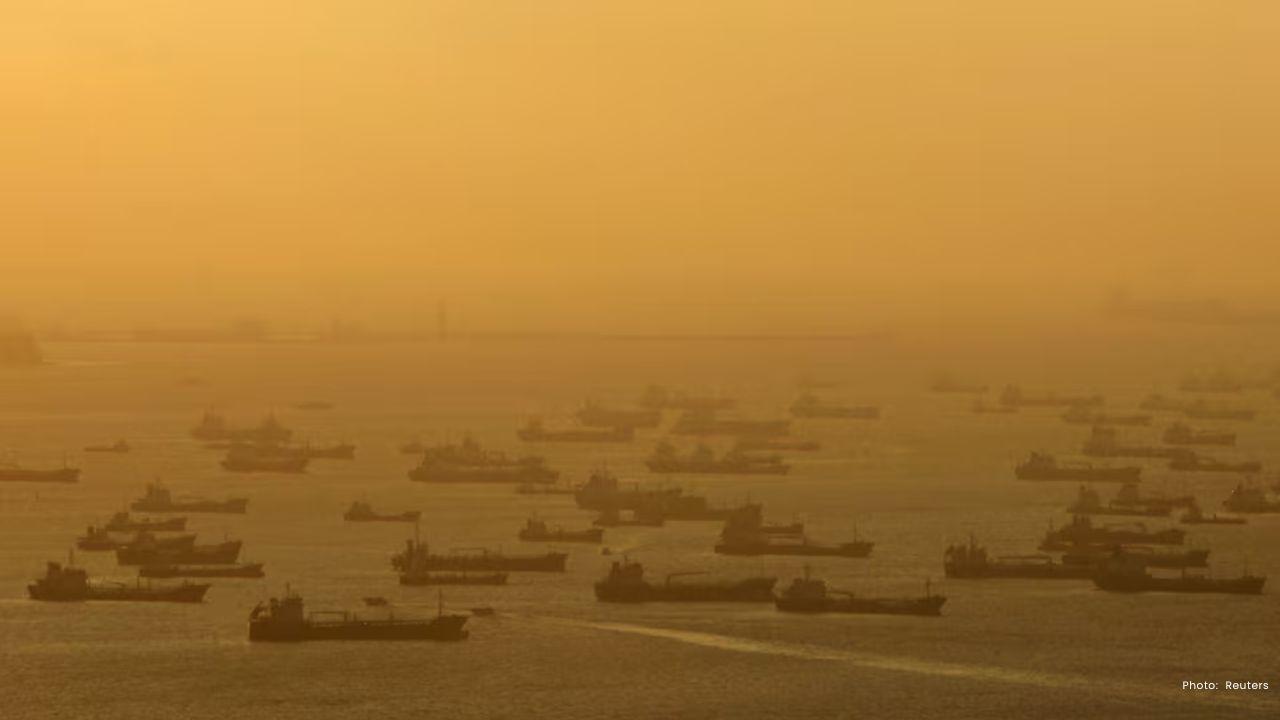
Asian countries are facing growing difficulty in securing fuel oil after exports from the Middle East dropped sharply due to the ongoing conflict in the region. Traders and industry experts say the sudden decline in shipments has created a supply shortage that is already pushing prices higher and raising concerns for shipping companies and fuel buyers across Asia.
Fuel oil is an important energy product used to power ships, run industrial facilities, and serve as feedstock for refineries. Many Asian countries rely heavily on imports of this fuel from the Middle East, which is one of the world’s largest energy-exporting regions. When supplies from this area decline, it quickly affects energy markets across Asia.
The current shortage began as fighting in the Middle East disrupted shipping routes and energy exports. According to market data, tanker traffic carrying fuel oil through the Strait of Hormuz has dropped sharply. This narrow waterway is one of the most important routes for global oil shipments, connecting the Persian Gulf to international markets.
Normally, about 1.2 million metric tons of fuel oil travel through this route to Asian buyers each month. However, recent data suggests that tanker movements have fallen by around 90 percent because of security risks and military activity in the region.
The sharp fall in supply has created immediate pressure on fuel markets. In Singapore, which is the largest bunker fuel hub in Asia where ships refuel, prices for high-sulfur fuel oil have risen more than 40 percent since the conflict began.
Shipping companies depend on bunker fuel to power large cargo vessels that transport goods around the world. When fuel prices rise, the cost of operating ships increases. Those higher costs often lead to more expensive transportation, which can eventually raise prices for many products sold in global markets.
Energy traders across Asia are now urgently searching for alternative sources of fuel oil. Many are trying to import supplies from countries in the West, including the United States, Mexico, Venezuela, and Russia. However, replacing Middle Eastern shipments is proving difficult.
One problem is that fuel supplies from other regions are limited. Another challenge is the high cost of shipping fuel from distant countries. Tanker rates have increased because vessels must travel longer distances and face higher risks in conflict-affected waters.
Sanctions on certain oil-producing countries are also limiting available options. Restrictions on Russian and Iranian oil exports have already reduced the number of suppliers available to global markets. This makes it harder for Asian buyers to quickly find replacement cargoes.
Refineries in several Asian countries are also facing difficulties. Because crude oil shipments from the Middle East have become uncertain, some refineries are reducing their operations. When refineries process less oil, the supply of refined products such as diesel, gasoline, and fuel oil also declines.
At the moment, fuel stockpiles stored in Singapore and on tankers offshore are helping to keep supplies flowing. These reserves are acting as a temporary buffer while traders search for new shipments. However, industry experts warn that these inventories could run out if the disruption continues for a long time.
The situation highlights how strongly Asia depends on energy supplies from the Middle East. Countries such as China, India, Japan, and South Korea import large amounts of oil and fuel products from the Gulf region. Because of this dependence, any disruption to shipping routes or production in the Middle East can quickly affect Asian economies.
The Strait of Hormuz plays a central role in this system. Around one-fifth of the world’s oil and natural gas shipments pass through this narrow sea route each day. If traffic through this passage is blocked or slowed, energy markets around the world can feel the impact.
Energy analysts say the current crisis shows how vulnerable global supply chains can be during geopolitical conflicts. A sudden drop in exports from one region can create shortages in distant markets and cause prices to rise quickly.
Higher fuel prices may also increase inflation in many countries. Transportation costs affect the price of almost every product, from food and electronics to clothing and building materials. When shipping becomes more expensive, businesses often pass those costs on to consumers.
Some experts believe that if the conflict continues and energy shipments remain disrupted, the global economy could face stronger inflation pressure. Others warn that prolonged supply shortages could slow industrial production in countries that depend heavily on imported energy.
For now, traders and shipping companies are watching the situation closely. Many are hoping that shipping routes in the Gulf will stabilize and that exports from the Middle East will resume at normal levels.
Until that happens, Asian energy markets are expected to remain tight, with buyers competing for limited supplies and prices staying under pressure.
The current shortage serves as another reminder of how closely connected the world’s energy systems are. Events in one region can quickly affect fuel availability, shipping costs, and economic stability across the globe.
#trending #latest #EnergyCrisis #FuelOil #MiddleEastConflict #AsiaEnergy #OilMarkets #GlobalTrade #StraitOfHormuz #ShippingIndustry #OilPrices #armustnews








Advances in Aerospace Technology and Commercial Aviation Recovery
Insights into breakthrough aerospace technologies and commercial aviation’s recovery amid 2025 chall

Defense Modernization and Strategic Spending Trends
Explore key trends in global defense modernization and strategic military spending shaping 2025 secu

Tens of Thousands Protest in Serbia on Anniversary of Deadly Roof Collapse
Tens of thousands in Novi Sad mark a year since a deadly station roof collapse that killed 16, prote

Canada PM Carney Apologizes to Trump Over Controversial Reagan Anti-Tariff Ad
Canadian PM Mark Carney apologized to President Trump over an Ontario anti-tariff ad quoting Reagan,

The ad that stirred a hornets nest, and made Canadian PM Carney say sorry to Trump
Canadian PM Mark Carney apologizes to US President Trump after a tariff-related ad causes diplomatic

Bengaluru-Mumbai Superfast Train Approved After 30-Year Wait
Railways approves new superfast train connecting Bengaluru and Mumbai, ending a 30-year demand, easi



