Post by : Avinab Raana
Photo : X / Newstalk ZB
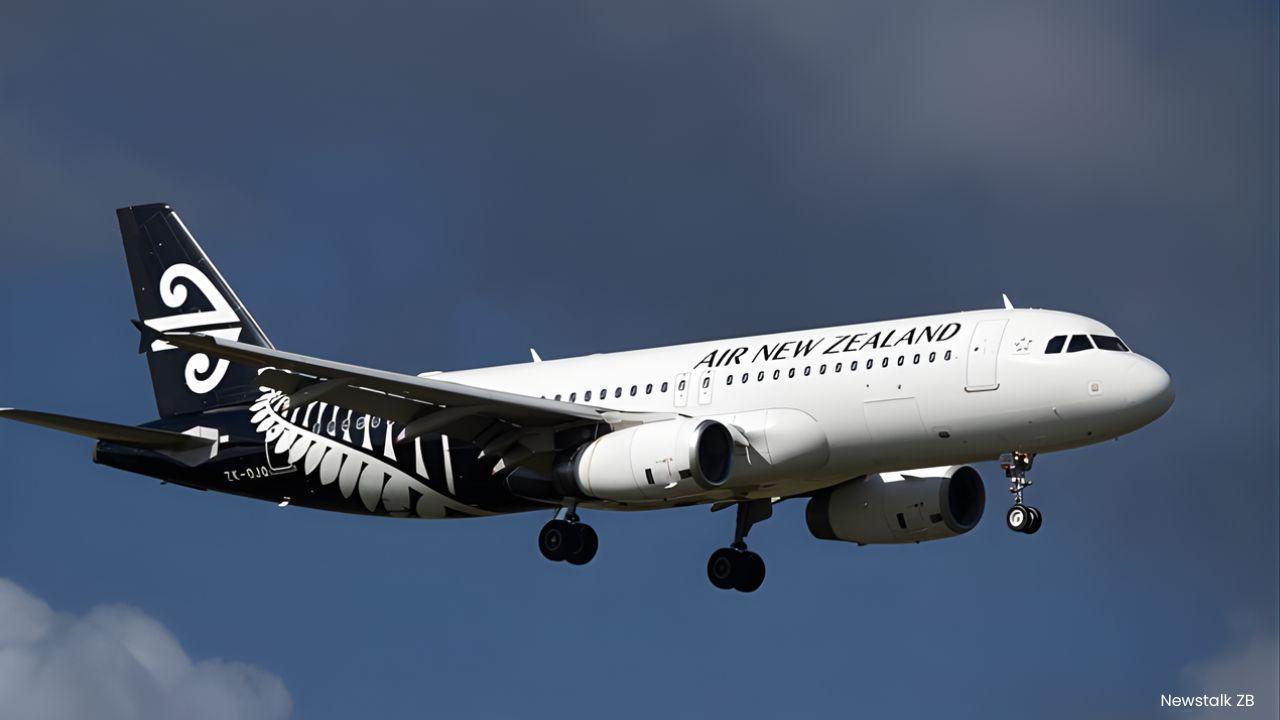
Rising energy prices are creating new challenges for global airlines, and Air New Zealand has now responded by reducing its flight schedule. The airline confirmed that it will cut a portion of its planned services in response to a sharp jet fuel price surge, which has significantly increased operating costs across the aviation sector.
The decision reflects a broader struggle within the airline industry, where fuel expenses remain one of the largest components of operational spending. When energy prices rise rapidly, airlines often need to adjust routes, schedules, or fleet utilization to maintain financial stability.
The airline has announced that around five percent of its scheduled flights will be reduced over the coming weeks. These airline flight cuts are expected to affect both domestic and regional services, where airlines often have more flexibility to adjust frequencies.
Rather than completely eliminating routes, the airline plans to reduce the number of flights operating on certain routes. This strategy allows Air New Zealand to maintain connectivity while lowering fuel consumption and operational expenses. For passengers, the changes may result in fewer flight options on some routes, particularly during off-peak travel periods.
Fuel is widely recognized as one of the most critical expenses for airlines. A sudden jet fuel price surge can dramatically affect airline profitability because aircraft require large volumes of fuel for every flight.
Industry analysts estimate that aviation fuel costs can represent up to forty percent of an airline’s total operating expenses. When prices increase unexpectedly, airlines often face the difficult choice of raising ticket prices, cutting flights, or absorbing financial losses. Air New Zealand’s decision to reduce flights demonstrates how airlines attempt to manage these pressures while continuing to serve key routes.
The challenges facing Air New Zealand are part of a wider pattern affecting airlines worldwide. Rising fuel prices have created global airline disruption, forcing carriers to reassess schedules and operational strategies.
Airlines in multiple regions have already begun adjusting flight frequencies, adding fuel surcharges, or reviewing their route networks. These decisions are designed to protect airline finances while navigating volatile energy markets.
The aviation industry is particularly sensitive to fuel fluctuations because aircraft rely almost entirely on jet fuel for long-distance travel, making energy price volatility a constant concern.
For passengers, the reduction in Air New Zealand flights may lead to fewer travel options and slightly higher demand on remaining flights. While airlines generally attempt to rebook affected passengers on alternative services, schedule changes can sometimes require travelers to adjust their travel plans.
Airlines also use such adjustments as an opportunity to optimize fleet usage, ensuring that aircraft operate on routes with stronger demand while temporarily reducing services where demand is lower. These strategies allow airlines to remain flexible while navigating economic pressures.
The situation highlights the close connection between global energy markets and the aviation industry. When fuel prices fluctuate dramatically, airlines must respond quickly to protect operational stability.
The recent airline flight cuts by Air New Zealand illustrate how carriers adapt to economic pressures while maintaining core services. As fuel markets continue to fluctuate, airlines across the world will likely remain cautious about capacity planning.
For the global aviation sector, managing rising airline operating costs while maintaining reliable connectivity will remain one of the biggest challenges in the months ahead.
#trending #latest,Air New Zealand flights, jet fuel price surge, airline flight cuts, aviation fuel costs, airline operating costs, global airline disruption, travel industry impact









Advances in Aerospace Technology and Commercial Aviation Recovery
Insights into breakthrough aerospace technologies and commercial aviation’s recovery amid 2025 chall

Defense Modernization and Strategic Spending Trends
Explore key trends in global defense modernization and strategic military spending shaping 2025 secu

Tens of Thousands Protest in Serbia on Anniversary of Deadly Roof Collapse
Tens of thousands in Novi Sad mark a year since a deadly station roof collapse that killed 16, prote

Canada PM Carney Apologizes to Trump Over Controversial Reagan Anti-Tariff Ad
Canadian PM Mark Carney apologized to President Trump over an Ontario anti-tariff ad quoting Reagan,

The ad that stirred a hornets nest, and made Canadian PM Carney say sorry to Trump
Canadian PM Mark Carney apologizes to US President Trump after a tariff-related ad causes diplomatic

Bengaluru-Mumbai Superfast Train Approved After 30-Year Wait
Railways approves new superfast train connecting Bengaluru and Mumbai, ending a 30-year demand, easi



