Post by : Avinab Raana
Photo : X / AirPro News
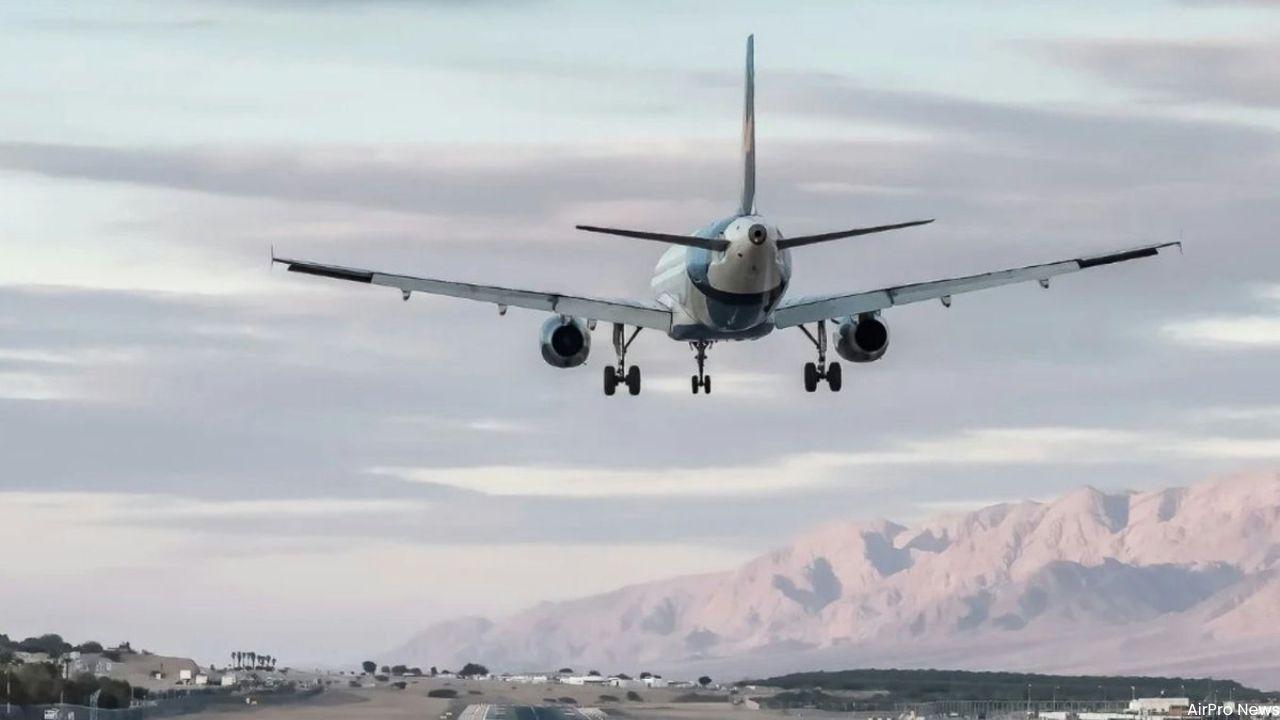
The global air freight industry is once again under intense pressure as the ongoing Middle East conflict disrupts critical cargo corridors, triggering a sharp rise in freight rates and operational uncertainty. Unlike previous crises where air cargo acted as a backup for strained ocean supply chains, this time aviation itself is at the center of disruption. With reduced airspace access, operational restrictions, and safety concerns mounting across the region, the industry is grappling with a rare combination of capacity shortages and cost escalation that is reshaping global logistics dynamics in real time.
One of the most immediate and impactful consequences of the conflict has been a significant reduction in air cargo capacity across the Middle East, a region that serves as a crucial transit hub connecting Asia, Europe, and the Americas. Within weeks of the escalation, available capacity in the region has dropped by nearly 30%, forcing airlines to cancel, reroute, or reduce operations. This sudden contraction has disrupted the seamless connectivity that global trade depends on, particularly affecting high-value and time-sensitive shipments that rely heavily on air freight networks.
With capacity tightening and demand remaining resilient, air freight rates have surged sharply across major trade lanes. Global spot rates climbed to approximately $2.86 per kilogram in March, marking the highest levels seen since late 2024 and surpassing peak-season pricing benchmarks from 2025. On key routes from South Asia and Southeast Asia to the Middle East, rates have jumped between 50% and 100% within weeks, reflecting the compounded impact of reduced lift, rising fuel costs, and war-risk surcharges. This surge is not just a temporary spike, it is a clear signal of a market under structural stress.
To maintain cargo movement, airlines are rapidly adapting by shifting capacity to alternative hubs such as Muscat and Jeddah, bypassing high-risk zones while attempting to sustain global connectivity. However, these adjustments come at a cost. Longer routes increase fuel consumption, extend transit times, and reduce overall efficiency. Major cargo hubs like Dubai and Doha, once pillars of global air logistics, are now facing operational disruptions due to their geographic proximity to conflict zones, exposing vulnerabilities in the global aviation network.
The uncertainty surrounding the conflict is also reshaping commercial strategies within the air freight market. Shippers are increasingly moving away from long-term annual contracts and opting for shorter, three-month agreements to maintain flexibility in a volatile environment. This shift reflects a broader lack of confidence in market predictability, as businesses prioritize agility over stability. Industry stakeholders, including airlines, freight forwarders, and logistics providers, are collaborating more closely than ever, working to maintain service levels while navigating unprecedented operational challenges.
The disruption is no longer confined to the Middle East, it is now reshaping global trade lanes. The region’s central role in connecting Asia–Europe and South Asia-Americas routes means that capacity reductions are creating ripple effects across international corridors. Rate increases are being observed across multiple regions, while cargo backlogs are building as shipments compete for limited space. Industries reliant on fast logistics, including pharmaceuticals, electronics, and perishables, are particularly vulnerable to these disruptions, highlighting the broader economic implications of the crisis.
Beyond logistics, the rising cost of air freight is feeding into a wider economic concern. While demand has remained relatively stable in the short term, analysts warn that prolonged conflict could weaken global trade growth as higher transport costs and fuel prices begin to impact consumption and industrial output. The aviation sector, already navigating post-pandemic recovery challenges, now faces renewed pressure that could influence pricing, demand patterns, and long-term market stability.
The ongoing Middle East conflict has pushed global air freight into a critical inflection point, where resilience is being tested against unprecedented disruption. As capacity tightens, costs rise, and uncertainty dominates decision-making, the industry must rapidly adapt to a new operational reality. The coming months will determine whether this crisis remains a temporary shock or evolves into a long-term transformation of global air logistics. For now, one thing is certain—speed, flexibility, and strategic rerouting will define survival in an increasingly volatile air cargo landscape.
#trending #latest,#AirFreightCrisis #MiddleEastConflict #CargoRates #GlobalLogistics #AviationDisruption







Advances in Aerospace Technology and Commercial Aviation Recovery
Insights into breakthrough aerospace technologies and commercial aviation’s recovery amid 2025 chall

Defense Modernization and Strategic Spending Trends
Explore key trends in global defense modernization and strategic military spending shaping 2025 secu

Tens of Thousands Protest in Serbia on Anniversary of Deadly Roof Collapse
Tens of thousands in Novi Sad mark a year since a deadly station roof collapse that killed 16, prote

Canada PM Carney Apologizes to Trump Over Controversial Reagan Anti-Tariff Ad
Canadian PM Mark Carney apologized to President Trump over an Ontario anti-tariff ad quoting Reagan,

The ad that stirred a hornets nest, and made Canadian PM Carney say sorry to Trump
Canadian PM Mark Carney apologizes to US President Trump after a tariff-related ad causes diplomatic

Bengaluru-Mumbai Superfast Train Approved After 30-Year Wait
Railways approves new superfast train connecting Bengaluru and Mumbai, ending a 30-year demand, easi



