Post by : Avinab Raana
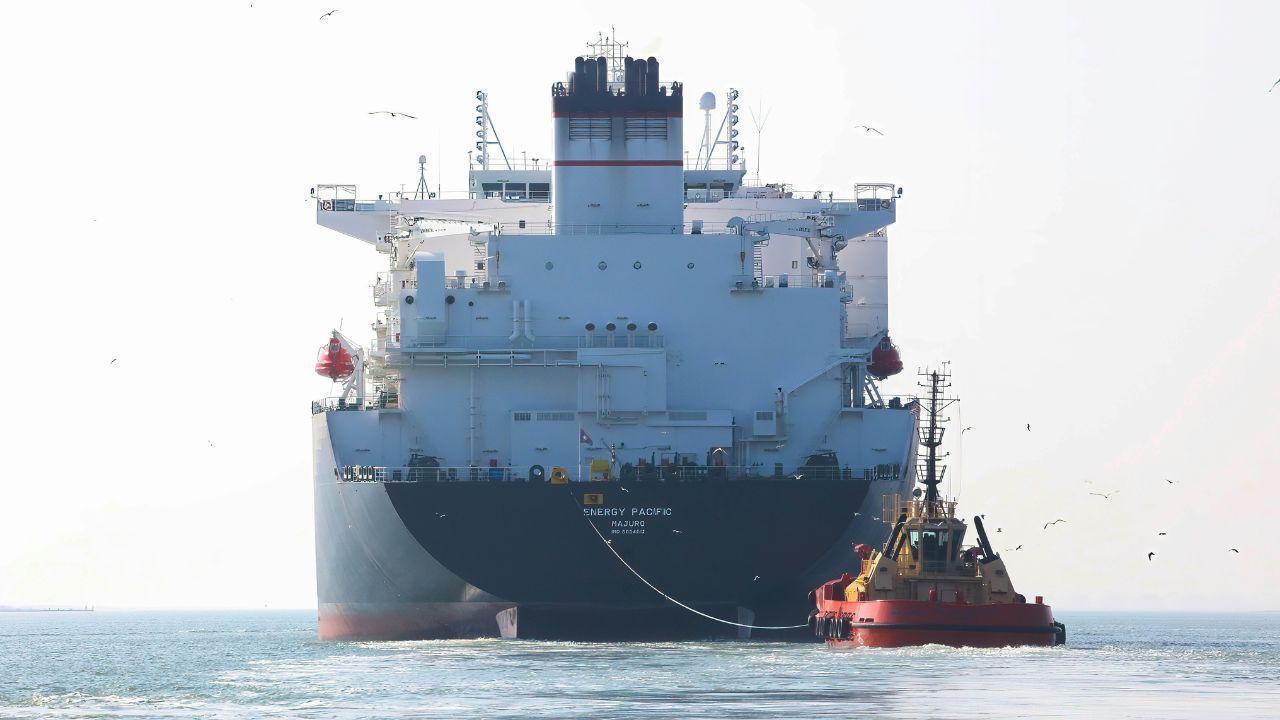
Escalating geopolitical tensions in West Asia have begun disrupting global automotive logistics, with around 2,000 Hyundai vehicles exported from India to Gulf markets now caught in shipment uncertainty. The vehicles, which were dispatched for delivery to Middle Eastern destinations, are likely to be rerouted or returned due to mounting risks to maritime trade routes across the region.
The disruption highlights how quickly geopolitical events can impact the global automotive supply chain. Export shipments that typically move smoothly through established maritime corridors are now facing sudden logistical complications, forcing automakers and shipping operators to reconsider delivery plans.
The shipment delays are closely tied to security concerns surrounding key maritime passages used for international trade in the Gulf region. These routes are vital for vehicle exports from India, particularly from ports in southern India that serve as major automotive export hubs.
With vessel movements slowing and shipping companies reassessing routes, exporters are encountering significant uncertainty regarding cargo movement. In several cases, shipments already dispatched toward Gulf markets are being redirected as operators attempt to avoid potential security risks in the region. Such disruptions have immediate implications for exporters, particularly when vehicles are already loaded and awaiting final delivery to overseas markets.
For Hyundai Motor India, the Gulf region represents a major export destination. Vehicles produced at Indian manufacturing facilities are regularly shipped to markets across the Middle East, making stable maritime logistics essential for the company’s overseas business.
The halted shipment of around 2,000 vehicles illustrates how sensitive automotive exports can be to disruptions in global trade routes. When geopolitical tensions affect shipping corridors, automakers must quickly adapt their logistics strategies to manage cargo already in transit while preventing further delays.
Automakers often rely on tightly coordinated export schedules, meaning that even short-term disruptions can create ripple effects across production planning, shipping logistics, and dealership supply in destination markets.
The current disruption reflects a broader challenge facing the global automotive industry. As geopolitical risks rise in strategically important shipping regions, exporters are increasingly exposed to sudden supply chain interruptions.
For India’s auto exporters, the Middle East remains a critical overseas market. Any sustained disruption in maritime routes could slow vehicle shipments, increase logistics costs, and complicate delivery timelines for automakers operating in international markets.
For now, companies are closely monitoring the evolving situation while working to adjust logistics strategies to minimize the impact on export operations and customer deliveries.
#trending #latest, Hyundai vehicle exports Gulf, West Asia conflict shipping disruption, Hyundai India export logistics, Strait of Hormuz auto shipments, Gulf auto export disruption, Hyundai export supply chain, India auto export logistics






Advances in Aerospace Technology and Commercial Aviation Recovery
Insights into breakthrough aerospace technologies and commercial aviation’s recovery amid 2025 chall

Defense Modernization and Strategic Spending Trends
Explore key trends in global defense modernization and strategic military spending shaping 2025 secu

Tens of Thousands Protest in Serbia on Anniversary of Deadly Roof Collapse
Tens of thousands in Novi Sad mark a year since a deadly station roof collapse that killed 16, prote

Canada PM Carney Apologizes to Trump Over Controversial Reagan Anti-Tariff Ad
Canadian PM Mark Carney apologized to President Trump over an Ontario anti-tariff ad quoting Reagan,

The ad that stirred a hornets nest, and made Canadian PM Carney say sorry to Trump
Canadian PM Mark Carney apologizes to US President Trump after a tariff-related ad causes diplomatic

Bengaluru-Mumbai Superfast Train Approved After 30-Year Wait
Railways approves new superfast train connecting Bengaluru and Mumbai, ending a 30-year demand, easi



