Post by : Avinab Raana
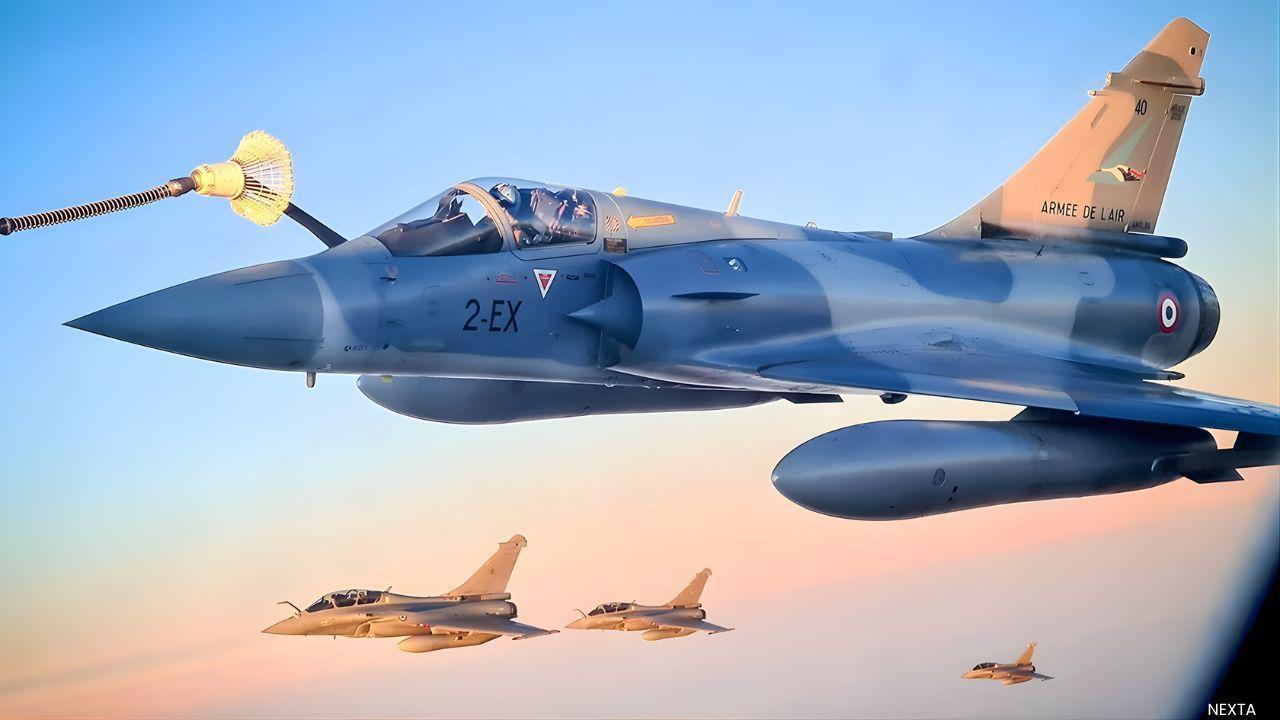
Photo : X / NEXTA
In a decisive move that reflects the urgency of modern warfare, Ukraine has dramatically reduced the timeline for upgrading its fighter jets and helicopters to just one month marking a significant shift in how nations adapt their air forces during active conflict. The decision signals a new era where speed, adaptability, and technological integration are becoming just as critical as firepower itself, especially in a battlefield increasingly dominated by drones and precision strikes.
The initiative is not just about faster upgrades. It is about survival, resilience, and staying ahead in an evolving aerial threat environment. By removing bureaucratic delays and enabling real-time modernization, Ukraine is redefining how air combat readiness is achieved in high-pressure scenarios.
Traditionally, aircraft modernization has been a lengthy process, often taking months or even years due to approvals, compliance checks, and integration complexities. Ukraine’s latest policy disrupts this model by allowing weapons, communication systems, navigation tools, and advanced target detection technologies to be installed without prolonged clearance procedures.
This streamlined approach compresses the entire upgrade cycle into just one month, enabling aircraft to be rapidly reconfigured based on immediate battlefield needs. It transforms fighter jets into adaptable platforms that can evolve continuously, responding to threats as they emerge rather than months later.
The urgency behind this transformation is rooted in the growing threat posed by loitering munitions and drone swarms, particularly systems like Shahed-type UAVs. These low-cost yet highly effective weapons have changed the dynamics of aerial warfare, forcing air forces to rethink traditional defense strategies.
Ukraine’s upgraded aircraft are now being tailored specifically to detect, track, and counter these threats more efficiently. By integrating advanced sensors and targeting systems, the Air Force is enhancing its ability to neutralize incoming drones before they reach critical infrastructure or urban centers. This evolution reflects a broader shift toward multi-layered, technology-driven air defense systems.
What makes this initiative particularly transformative is the expansion of who can participate in the upgrade process. Beyond traditional defense manufacturers, specialists, engineers, and even military units themselves are now directly involved in modifying aircraft.
This decentralized approach accelerates innovation and allows solutions to be developed closer to the front lines, where real-time insights into threats are available. It creates a collaborative defense ecosystem where agility replaces rigidity, and where operational needs directly shape technological upgrades.
Ukraine’s move underscores a larger truth about modern aviation and defense: static systems are no longer viable in a rapidly changing threat landscape. Aircraft must now function as dynamic platforms, capable of integrating new technologies at speed whether it’s enhanced radar systems, electronic warfare tools, or AI-driven targeting mechanisms.
This approach aligns with global trends in military aviation, where adaptability and interoperability are becoming defining factors of air superiority. Nations are increasingly investing in modular systems that can be upgraded on demand, ensuring that their fleets remain relevant in the face of emerging threats.
As conflicts become more technology-driven, Ukraine’s one-month upgrade model could serve as a blueprint for other nations seeking to modernize their air forces under pressure. The ability to rapidly retrofit aircraft not only enhances defense capabilities but also ensures cost efficiency by extending the operational life of existing fleets.
In a world where threats evolve overnight, the real advantage lies not in having the most advanced aircraft but in having the fastest path to innovation. Ukraine’s strategy proves that in modern air warfare, speed is no longer just about jets in the sky, it’s about how quickly those jets can evolve.
#trending #latest,#UkraineAirForce #FighterJetUpgrade #AirDefense #MilitaryAviation #Avionics






Advances in Aerospace Technology and Commercial Aviation Recovery
Insights into breakthrough aerospace technologies and commercial aviation’s recovery amid 2025 chall

Defense Modernization and Strategic Spending Trends
Explore key trends in global defense modernization and strategic military spending shaping 2025 secu

Tens of Thousands Protest in Serbia on Anniversary of Deadly Roof Collapse
Tens of thousands in Novi Sad mark a year since a deadly station roof collapse that killed 16, prote

Canada PM Carney Apologizes to Trump Over Controversial Reagan Anti-Tariff Ad
Canadian PM Mark Carney apologized to President Trump over an Ontario anti-tariff ad quoting Reagan,

The ad that stirred a hornets nest, and made Canadian PM Carney say sorry to Trump
Canadian PM Mark Carney apologizes to US President Trump after a tariff-related ad causes diplomatic

Bengaluru-Mumbai Superfast Train Approved After 30-Year Wait
Railways approves new superfast train connecting Bengaluru and Mumbai, ending a 30-year demand, easi



