Post by : Avinab Raana
The UK has announced plans to establish an additional submarine dockyard at Rosyth on Scotland’s east coast as part of a major upgrade worth nearly £400 million. This development is designed to create a facility capable of accommodating the new Dreadnought-class ballistic missile submarines while also easing pressure on the Royal Navy’s existing maintenance network. The move marks a transition from a two-yard system to a more distributed approach, boosting resilience as the fleet grows.
Why Rosyth now
Rosyth stands out as the ideal site because it already has naval activity and dormant infrastructure that can be adapted. Traditionally tied to carrier construction and ship servicing, the dockyard retains essential features such as deepwater access, heavy-lift cranes, and shore-based services. These assets make it practical to repurpose the site for submarine operations rather than build from scratch. This decision shortens lead times, contains costs, and ensures the UK has capacity in place when the Dreadnought class begins entering service.
The Dreadnought problem in plain terms
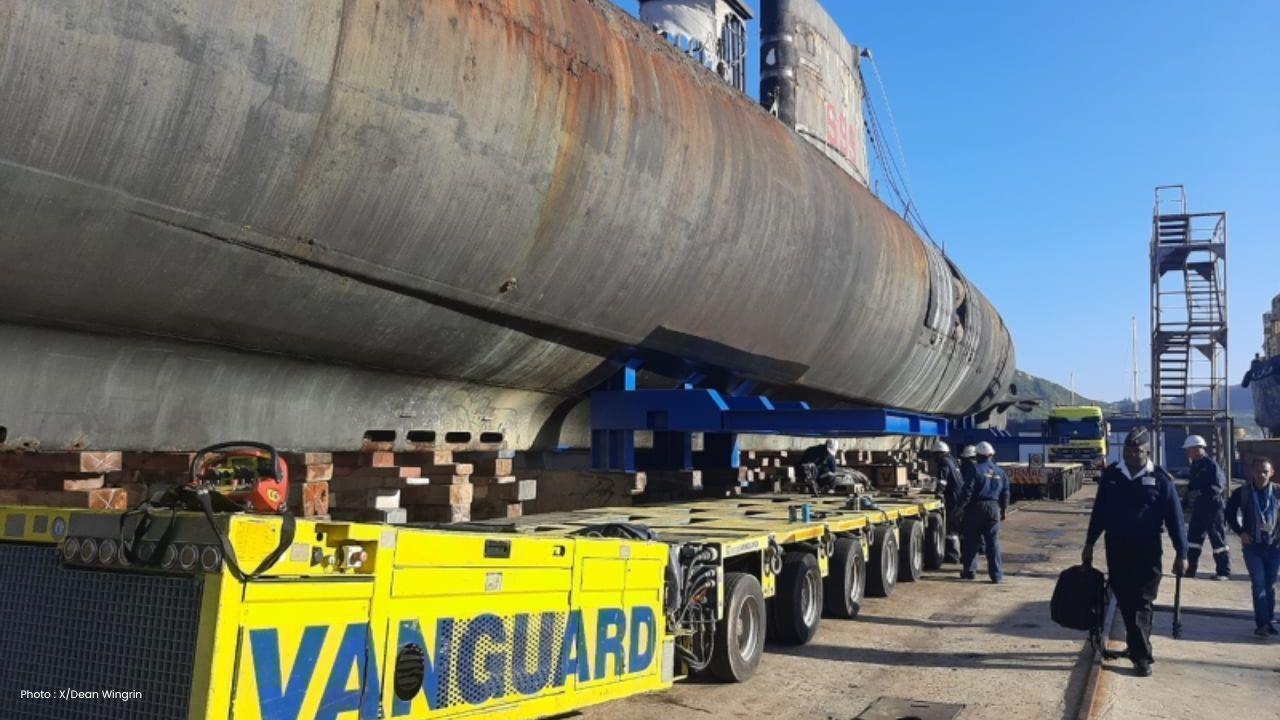
The first of the Dreadnought-class submarines is expected to launch by the end of the decade. However, these boats are simply too large to return to the Barrow shipyard, where they are built, for post-launch outfitting or trials. That gap in infrastructure poses a critical challenge: without appropriate dock space, the UK risks delays in commissioning and operational readiness. Establishing Rosyth as a third yard solves this problem, ensuring the new fleet can be maintained without bottlenecks.
Production tempo and risk concentration
With the pace of submarine construction set to accelerate, reliance on only Devonport and Faslane presents operational risks. Both facilities are already stretched with nuclear fleet upkeep. Concentrating so much of the Navy’s most vital assets in just two sites creates vulnerabilities. By upgrading Rosyth, the UK spreads that risk, expands overall capacity, and gives itself the flexibility needed to keep a larger fleet fully operational.
Industrial players and funding questions
Rosyth is currently operated under private management, and the upgrade is expected to involve close cooperation between government and major defence contractors. While initial budgets range between £360 million and £400 million, the precise funding breakdown between public and private investment has yet to be confirmed. The outcome of these negotiations will influence how quickly the project progresses and how much of the work is contracted to local suppliers.
Local economic and workforce impact
For the communities around Rosyth and the wider Firth of Forth, this upgrade represents a significant economic opportunity. Hundreds of new jobs are expected to emerge, particularly in skilled trades such as welding, systems integration, and nuclear engineering. The dockyard project will likely be accompanied by new training initiatives, apprenticeships, and long-term career pathways, ensuring that the workforce is qualified to meet the demands of nuclear submarine maintenance.
Building a dockyard for nuclear-powered submarines is not just about size and capacity. It requires strict adherence to nuclear safety protocols, environmental safeguards, and specialized equipment. Shore facilities must be able to handle reactor maintenance, waste management, and other sensitive processes. The Rosyth project therefore involves significant engineering complexity and regulatory oversight, making it one of the most technically demanding infrastructure programs in the UK today.
The decision to expand submarine infrastructure has global implications. In an era of increasing maritime competition, boosting submarine readiness sends a clear message about deterrence and operational capability. For NATO allies, it is a sign of Britain’s intent to remain a reliable undersea partner. For international observers, particularly in regions such as the Gulf, it highlights the importance of investing in naval resilience as fleets expand and regional waters become more contested.
Beyond Rosyth, the project will spark growth across the UK’s broader defence supply chain. From advanced electronics to propulsion systems and composite materials, the demand for specialized components will rise. This could reinvigorate small and medium-sized suppliers, providing them with new opportunities not just in the UK but in the wider global naval market. At the same time, challenges such as material shortages, long lead times, and workforce bottlenecks remain risks that planners will need to manage carefully.
Major defence projects rarely escape political attention. The Rosyth dockyard expansion will be closely scrutinized in Parliament, where debates will likely focus on cost management, timelines, and the balance between strategic necessity and fiscal responsibility. For the government, maintaining transparency and delivering visible progress will be key to sustaining support across party lines.
Resilience by design
The UK’s decision to create an additional submarine dockyard at Rosyth reflects more than just infrastructure expansion. It is about reducing risk, strengthening deterrence, and preparing the Royal Navy for the demands of a larger and more complex submarine fleet. If delivered on time and within budget, Rosyth will not only secure Britain’s nuclear deterrent but also stimulate regional industry and provide lessons for other nations seeking to scale their own naval capacity. For global readers, particularly in the Gulf, this move underscores the value of building resilience into maritime infrastructure at a time when naval power is central to national security.
#trending #latest,#UKNavy #SubmarineFleet #RosythDockyard #NavalInfrastructure #DefenseIndustry #MaritimeSecurity #RoyalNavy #NavalEngineering #FleetExpansion









Advances in Aerospace Technology and Commercial Aviation Recovery
Insights into breakthrough aerospace technologies and commercial aviation’s recovery amid 2025 chall

Defense Modernization and Strategic Spending Trends
Explore key trends in global defense modernization and strategic military spending shaping 2025 secu

Tens of Thousands Protest in Serbia on Anniversary of Deadly Roof Collapse
Tens of thousands in Novi Sad mark a year since a deadly station roof collapse that killed 16, prote

Canada PM Carney Apologizes to Trump Over Controversial Reagan Anti-Tariff Ad
Canadian PM Mark Carney apologized to President Trump over an Ontario anti-tariff ad quoting Reagan,

The ad that stirred a hornets nest, and made Canadian PM Carney say sorry to Trump
Canadian PM Mark Carney apologizes to US President Trump after a tariff-related ad causes diplomatic

Bengaluru-Mumbai Superfast Train Approved After 30-Year Wait
Railways approves new superfast train connecting Bengaluru and Mumbai, ending a 30-year demand, easi



