Post by : Avinab Raana
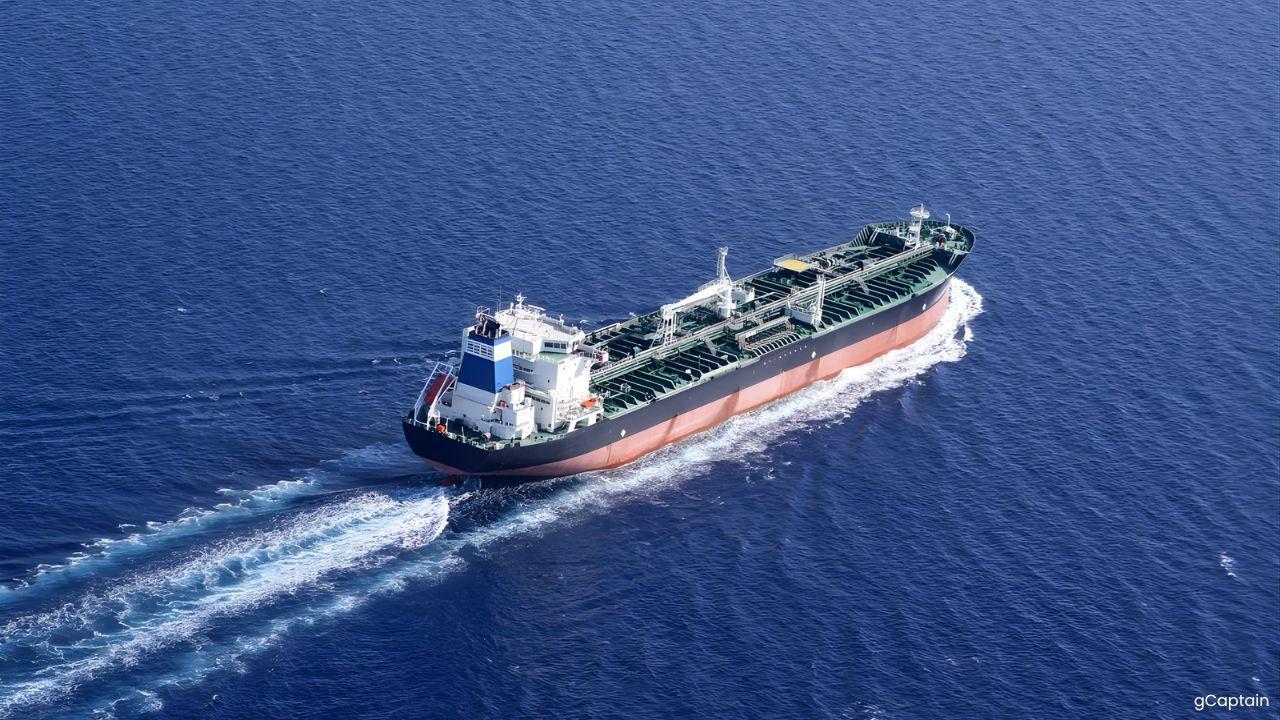
Photo : X / gCaptain
The U.S. government has announced a 60-day waiver of the Jones Act, a long-standing maritime regulation that governs cargo transport between American ports. The temporary decision allows foreign-flagged vessels to carry certain energy commodities within U.S. waters, expanding the number of ships available for domestic transportation during the waiver period. The move is intended to ease logistical constraints in the transport of fuel and other essential commodities as energy markets remain volatile.
The Jones Act requires that cargo transported between U.S. ports must be carried on vessels that are built in the United States, owned by American companies, and crewed primarily by U.S. citizens. The law was originally introduced to strengthen the country’s maritime industry and maintain a reliable merchant fleet. Because these requirements limit the number of eligible vessels, domestic shipping capacity can sometimes be restricted, particularly during periods of high demand.
While the waiver expands shipping options in the short term, several maritime industry groups argue that it will not significantly reduce gasoline prices. Industry representatives say that fuel costs are largely driven by global crude oil markets rather than domestic shipping regulations. As a result, the temporary policy change may provide logistical flexibility but is unlikely to produce a noticeable effect on consumer fuel prices.
The decision has also sparked debate within the U.S. maritime sector. Some industry stakeholders warn that allowing foreign vessels to operate in domestic routes—even temporarily could undermine the competitiveness of American shipping companies and maritime workers. Supporters of the Jones Act argue that the regulation plays an essential role in supporting national shipbuilding capacity and maintaining a strong domestic maritime workforce.
The waiver highlights the ongoing tension between maintaining strict maritime protections and ensuring efficient transportation of energy resources during periods of supply disruption. Policymakers must balance the need for flexible logistics with the long-term objective of sustaining domestic shipping capabilities. As global energy markets remain uncertain, the debate surrounding the Jones Act continues to reflect broader challenges in managing transportation policy and energy supply chains.
Trump Jones Act waiver, US shipping law suspension, Jones Act domestic shipping rule, maritime policy waiver United States, gas prices Jones Act impact, US maritime regulation change, domestic shipping policy US









Advances in Aerospace Technology and Commercial Aviation Recovery
Insights into breakthrough aerospace technologies and commercial aviation’s recovery amid 2025 chall

Defense Modernization and Strategic Spending Trends
Explore key trends in global defense modernization and strategic military spending shaping 2025 secu

Tens of Thousands Protest in Serbia on Anniversary of Deadly Roof Collapse
Tens of thousands in Novi Sad mark a year since a deadly station roof collapse that killed 16, prote

Canada PM Carney Apologizes to Trump Over Controversial Reagan Anti-Tariff Ad
Canadian PM Mark Carney apologized to President Trump over an Ontario anti-tariff ad quoting Reagan,

The ad that stirred a hornets nest, and made Canadian PM Carney say sorry to Trump
Canadian PM Mark Carney apologizes to US President Trump after a tariff-related ad causes diplomatic

Bengaluru-Mumbai Superfast Train Approved After 30-Year Wait
Railways approves new superfast train connecting Bengaluru and Mumbai, ending a 30-year demand, easi



