Post by : Saif
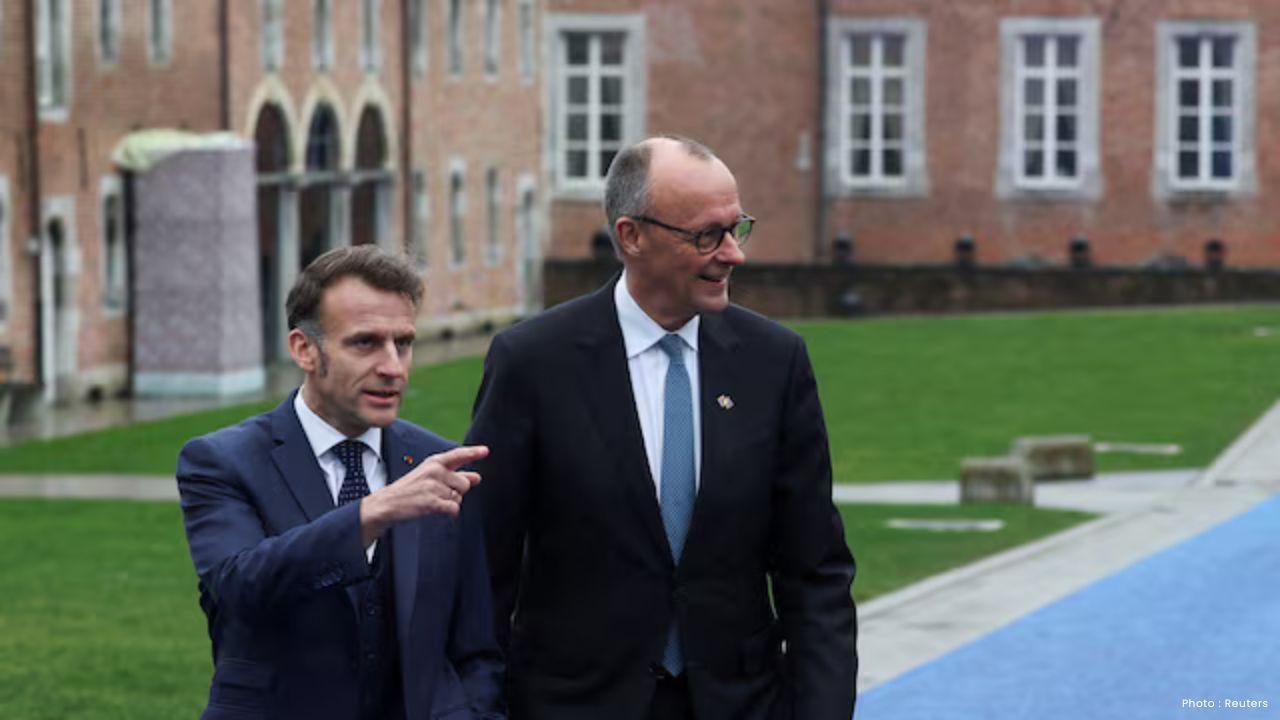
Germany has set a clear deadline to resolve its ongoing dispute with France over a major fighter jet project, raising fresh questions about the future of Europe’s defence cooperation. The two countries now have until mid-April to find a solution, or risk seeing one of their biggest joint military plans fall apart.
The project, known as the Future Combat Air System, is a large and ambitious plan involving Germany, France, and Spain. It is worth around 100 billion euros and aims to build a next-generation fighter jet along with advanced military systems like drones and communication networks.
This system is expected to replace current aircraft such as older European fighter jets by around 2040. It is also seen as an important step for Europe to become more independent in defence technology instead of relying heavily on other countries.
However, the project has been facing serious problems for a long time. The main issue is a disagreement between companies involved in the project. France’s Dassault Aviation and Europe’s Airbus have been in conflict over who should control the development of the fighter jet.
Germany and France have now agreed to make one final attempt to solve these issues through expert-level talks. Officials say a decision must be reached soon because Germany needs clarity before making important budget decisions.
The urgency of the situation shows how serious the problem has become. What was once seen as a strong symbol of European unity is now at risk due to disagreements over control, design, and national interests.
Another challenge comes from the different needs of the two countries. France wants a fighter jet that can carry nuclear weapons and operate from aircraft carriers, while Germany has different military priorities. These differences make it harder to agree on a single design.
Because of these ongoing issues, there is growing concern that the project could fail. If that happens, Europe may end up with separate defence programs instead of one unified system. Some reports suggest Germany could even look at joining other international projects if this one collapses.
From an editorial point of view, this situation highlights a deeper challenge in global cooperation. Even when countries share common goals, differences in strategy, industry interests, and national priorities can create major obstacles.
The fighter jet project is not just about building aircraft. It represents Europe’s effort to work together on advanced technology and defence. If it fails, it could weaken trust and cooperation between key countries.
At the same time, the deadline set by Germany could act as a turning point. It may push all sides to compromise and find a solution before it is too late. Deadlines often bring urgency, and this could help move discussions forward.
However, if no agreement is reached, the consequences could be serious. It may lead to delays in defence planning, higher costs, and a fragmented approach to security in Europe.
For now, all attention is on the upcoming weeks. The decisions made before the mid-April deadline will decide whether this major project continues or becomes another example of failed international cooperation.
#trending #latest #armustnews #Germany #France #FighterJet #FCAS #DefenseNews #Europe #Aerospace #GlobalSecurity







Advances in Aerospace Technology and Commercial Aviation Recovery
Insights into breakthrough aerospace technologies and commercial aviation’s recovery amid 2025 chall

Defense Modernization and Strategic Spending Trends
Explore key trends in global defense modernization and strategic military spending shaping 2025 secu

Tens of Thousands Protest in Serbia on Anniversary of Deadly Roof Collapse
Tens of thousands in Novi Sad mark a year since a deadly station roof collapse that killed 16, prote

Canada PM Carney Apologizes to Trump Over Controversial Reagan Anti-Tariff Ad
Canadian PM Mark Carney apologized to President Trump over an Ontario anti-tariff ad quoting Reagan,

The ad that stirred a hornets nest, and made Canadian PM Carney say sorry to Trump
Canadian PM Mark Carney apologizes to US President Trump after a tariff-related ad causes diplomatic

Bengaluru-Mumbai Superfast Train Approved After 30-Year Wait
Railways approves new superfast train connecting Bengaluru and Mumbai, ending a 30-year demand, easi



