Post by : Saif
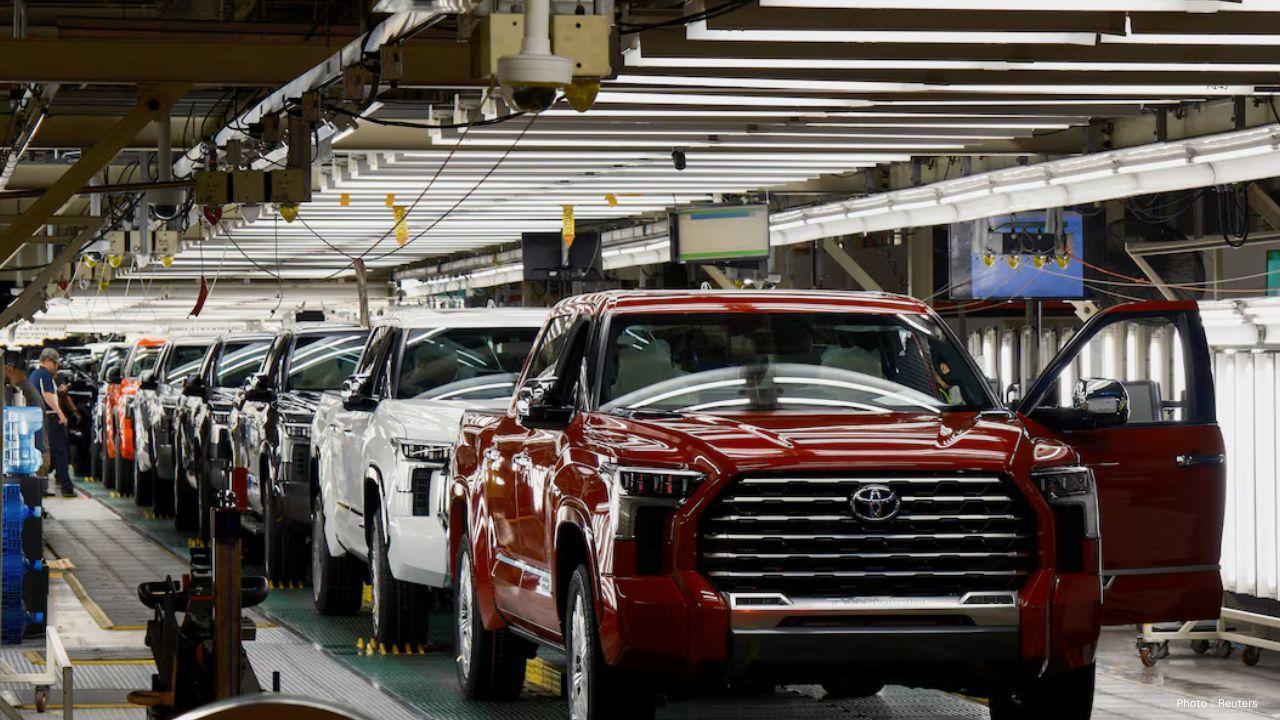
Trump administration officials are seeking significant changes to automotive manufacturing rules by proposing higher North American content requirements for vehicles sold under regional trade agreements. The proposal would increase the required level of North American-made components to 82%, with at least half of those parts expected to come from the United States.
The move reflects a broader effort to strengthen domestic manufacturing, create jobs, and reduce dependence on imported components. Supporters of the proposal argue that increasing local production would benefit workers, encourage investment, and reinforce the industrial base across North America.
Under the proposed changes, automakers would need to source a larger share of parts and materials from factories located within North America. In addition, a substantial portion of those components would specifically need to originate from the United States. The goal is to ensure that more economic activity remains within the region rather than moving to overseas suppliers.
The automotive industry plays a major role in the economies of the United States, Canada, and Mexico. Vehicle production supports millions of jobs across manufacturing plants, supply chains, transportation networks, and related industries. Because of this economic importance, any changes to trade rules can have far-reaching effects on businesses, workers, and consumers.
Supporters believe the proposal could encourage companies to invest more heavily in American factories and production facilities. By increasing domestic sourcing requirements, policymakers hope manufacturers will expand operations, hire additional workers, and strengthen local supply chains. Such investments could benefit communities that depend heavily on manufacturing employment.
The proposal also reflects growing concerns about supply chain security. Recent global disruptions exposed vulnerabilities in international production networks, particularly in industries that rely on components sourced from multiple countries. Strengthening regional manufacturing capacity has become a priority for many policymakers seeking greater economic resilience.
Automakers, however, may face challenges in adapting to stricter sourcing requirements. Modern vehicles contain thousands of components that are often produced in different parts of the world. Adjusting supply chains to meet new standards could require significant investment, operational changes, and long-term planning.
Industry experts note that manufacturing decisions are influenced by factors such as production costs, workforce availability, infrastructure quality, and access to raw materials. While higher regional content requirements may encourage domestic production, companies must also consider competitiveness in a global marketplace.
The proposal could have important implications for Canada and Mexico as well. Both countries are deeply integrated into North America's automotive supply chain and play key roles in vehicle assembly and component manufacturing. Any changes to sourcing rules would likely influence investment decisions and production strategies throughout the region.
Another important consideration is the impact on consumers. If manufacturers face higher production costs while adjusting supply chains, some of those expenses could potentially affect vehicle prices. However, supporters argue that stronger domestic production may create long-term economic benefits that outweigh short-term challenges.
The discussion also highlights the growing importance of industrial policy in economic planning. Governments around the world are increasingly seeking ways to support strategic industries, strengthen supply chains, and improve competitiveness. The automotive sector remains one of the most important industries in this effort because of its contribution to employment, innovation, and economic growth.
Electric vehicles add another dimension to the debate. As the industry transitions toward battery-powered transportation, demand for critical components such as batteries, semiconductors, and advanced materials continues to grow. Policymakers want to ensure that a larger share of these emerging industries develops within North America.
Business groups and industry organizations are expected to closely examine the proposal before any final decisions are made. Manufacturers will likely assess how the changes could affect production costs, sourcing strategies, and future investment plans. Their feedback may influence how the policy develops moving forward.
Trade agreements have long shaped the structure of North American manufacturing. Over the years, companies have built highly integrated supply chains that allow parts and materials to move across borders multiple times before a vehicle is completed. Modifying content requirements could reshape some aspects of this system and encourage greater regional production.
Workers and labor organizations have generally supported efforts aimed at expanding domestic manufacturing opportunities. Many believe stronger local production can help create stable employment, support industrial communities, and strengthen economic growth.
The proposal ultimately reflects a broader debate about balancing global trade with domestic economic priorities. Policymakers are seeking ways to maintain competitiveness while ensuring that manufacturing jobs and investment remain within North America.
As discussions continue, automakers, workers, governments, and consumers will closely monitor the potential changes. The outcome could influence the future direction of vehicle production, supply chain development, and industrial policy across the region.
The effort to increase North American content requirements represents a significant step in reshaping automotive manufacturing strategy. Whether the proposal achieves its goals will depend on how effectively industry leaders and policymakers work together to balance economic growth, competitiveness, and long-term stability in one of the world's most important manufacturing sectors.
#trending #latest #TrumpAdministration #USAutoIndustry #AutoManufacturing #NorthAmerica #MadeInUSA #USEconomy #TradePolicy #AutomotiveNews #VehicleProduction









Advances in Aerospace Technology and Commercial Aviation Recovery
Insights into breakthrough aerospace technologies and commercial aviation’s recovery amid 2025 chall

Defense Modernization and Strategic Spending Trends
Explore key trends in global defense modernization and strategic military spending shaping 2025 secu

Tens of Thousands Protest in Serbia on Anniversary of Deadly Roof Collapse
Tens of thousands in Novi Sad mark a year since a deadly station roof collapse that killed 16, prote

Canada PM Carney Apologizes to Trump Over Controversial Reagan Anti-Tariff Ad
Canadian PM Mark Carney apologized to President Trump over an Ontario anti-tariff ad quoting Reagan,

The ad that stirred a hornets nest, and made Canadian PM Carney say sorry to Trump
Canadian PM Mark Carney apologizes to US President Trump after a tariff-related ad causes diplomatic

Bengaluru-Mumbai Superfast Train Approved After 30-Year Wait
Railways approves new superfast train connecting Bengaluru and Mumbai, ending a 30-year demand, easi



