Post by : Avinab Raana
Photo : X / CNBC-TV18
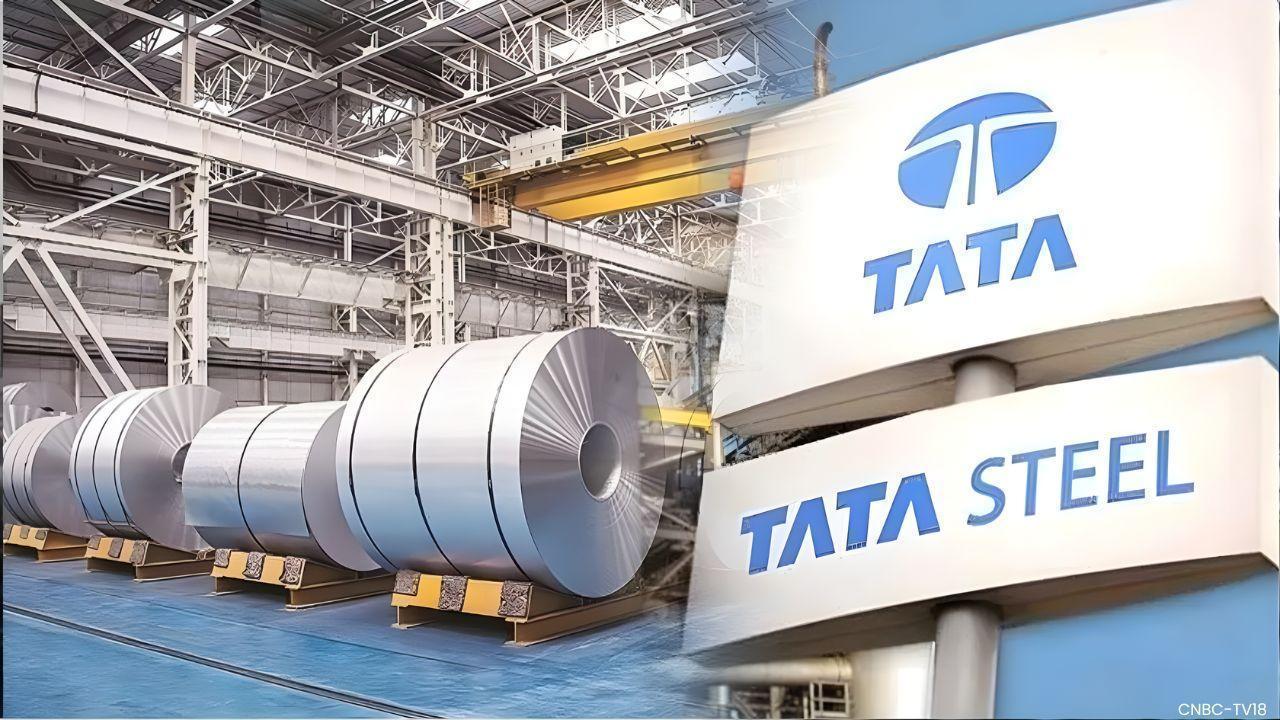
India’s steel sector is stepping into a greener future as Tata Steel and Hindustan Zinc deepen their collaboration to scale the use of low-carbon zinc, marking a significant move toward sustainable industrial production. At a time when decarbonisation is no longer optional but essential, this partnership signals how traditional industries are rapidly reinventing themselves.
The partnership focuses on expanding the adoption of EcoZen, Hindustan Zinc’s low-carbon zinc solution, within Tata Steel’s manufacturing processes. By integrating this material into galvanisation, the companies aim to embed sustainability directly into the production cycle. The move reflects a broader shift where procurement strategies are no longer just about cost efficiency but also about carbon efficiency.
EcoZen stands out as a game-changing material, produced using renewable energy and carrying a carbon footprint nearly 75% lower than conventional zinc. This reduction at the raw material stage has a cascading effect across the value chain, enabling industries to significantly cut emissions. In practical terms, the use of such zinc can help reduce hundreds of kilograms of CO₂ emissions per tonne of steel processed.
Zinc plays a crucial role in galvanising steel, enhancing durability and corrosion resistance. By switching to low-carbon zinc, Tata Steel is not only improving product performance but also reducing the embedded emissions in sectors like infrastructure, automotive, and renewable energy. This shift highlights a deeper transformation where sustainability is becoming a competitive advantage in global markets.
The collaboration aligns with India’s broader ambition to transition toward low-carbon industrial growth. As global demand for green steel rises, companies are under increasing pressure to reduce Scope 3 emissions, those linked to supply chains. Partnerships like this demonstrate how upstream material innovation can unlock large-scale emission reductions without compromising industrial output.
This partnership goes beyond a supply agreement, it represents a strategic pivot in how steel will be produced in the coming decade. As climate commitments tighten and global competition intensifies, low-carbon materials like EcoZen could redefine industry benchmarks. The question now is not whether industries will adopt such solutions, but how quickly they can scale them.
low carbon zinc steel, Tata Steel HZL partnership, EcoZen zinc India, green steel manufacturing, decarbonisation steel industry, sustainable metals India, low emission steel production










Advances in Aerospace Technology and Commercial Aviation Recovery
Insights into breakthrough aerospace technologies and commercial aviation’s recovery amid 2025 chall

Defense Modernization and Strategic Spending Trends
Explore key trends in global defense modernization and strategic military spending shaping 2025 secu

Tens of Thousands Protest in Serbia on Anniversary of Deadly Roof Collapse
Tens of thousands in Novi Sad mark a year since a deadly station roof collapse that killed 16, prote

Canada PM Carney Apologizes to Trump Over Controversial Reagan Anti-Tariff Ad
Canadian PM Mark Carney apologized to President Trump over an Ontario anti-tariff ad quoting Reagan,

The ad that stirred a hornets nest, and made Canadian PM Carney say sorry to Trump
Canadian PM Mark Carney apologizes to US President Trump after a tariff-related ad causes diplomatic

Bengaluru-Mumbai Superfast Train Approved After 30-Year Wait
Railways approves new superfast train connecting Bengaluru and Mumbai, ending a 30-year demand, easi



